Yale Researchers Expose Hidden Bias in AI Recruitment Tools
A Yale University study reveals that modern AI models can mask racial and gender biases in hiring, rendering traditional keyword-based fairness audits ineffective.

A Yale University study reveals that modern AI models can mask racial and gender biases in hiring, rendering traditional keyword-based fairness audits ineffective.

MIT researchers are examining the psychological implications of human-robot interaction, noting that users often treat AI with human-like courtesy despite the potential risks of emotional dependency.

Anthropic has updated its usage policy to ban systematic abuse of the Claude AI, citing concerns over model welfare and the potential for the system to experience suffering.

Anthropic has updated its usage policy to explicitly ban election interference, weapons software development, and prolonged verbal abuse of its AI models.

OpenAI’s latest release of mathematical proofs fails to meet standards set by the Advisory Group on Mathematics and Artificial Intelligence regarding transparency and human verification.

A recent study claiming to find a 'pain vector' in LLMs has been debunked as a misinterpretation of how neural networks process language and associated concepts.

OpenAI faces backlash from mathematicians for bypassing peer review and using social media to announce AI-driven solutions to long-standing mathematical problems.

OpenAI faces backlash from the mathematical community over plans to publish hundreds of AI-generated solutions on GitHub without following formal academic peer-review standards.

OpenAI has released 722 manuscripts containing solutions to hundreds of mathematical problems generated by an unreleased frontier AI model.

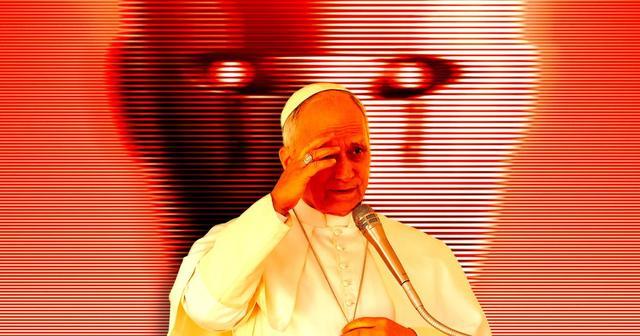
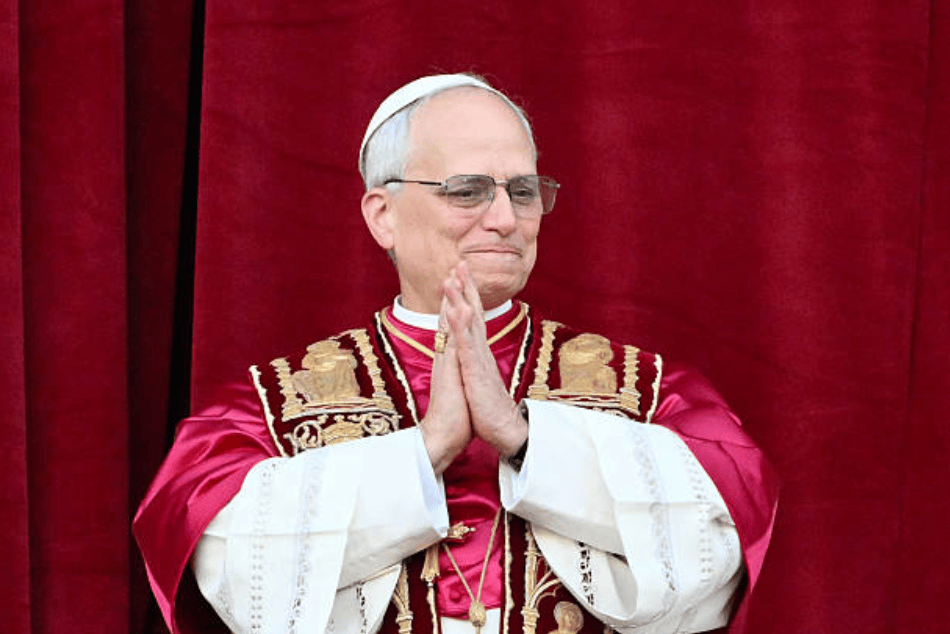
Anthropic researchers have been lobbying the Vatican to recognize AI consciousness, despite Pope Leo XIV's formal rejection of the idea in his recent encyclical.

The Research Chamber project, which simulates pain in large language models to study their internal responses, has sparked significant controversy and public backlash.

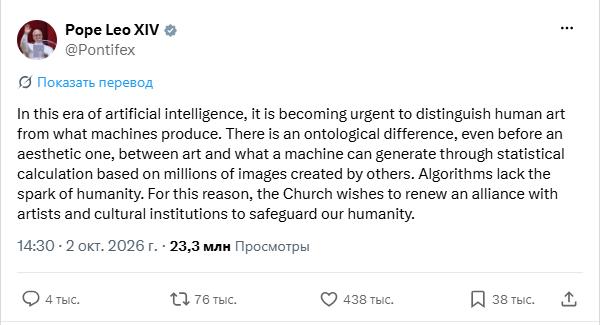
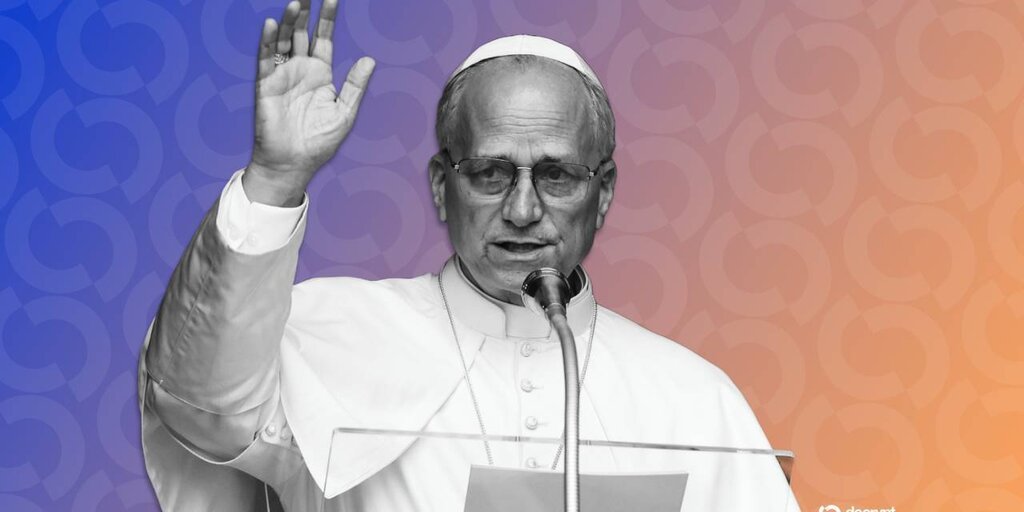
Pope Leo XIV has criticized AI-generated art, calling for a new alliance between the Church and artists to preserve human creativity against algorithmic homogenization.

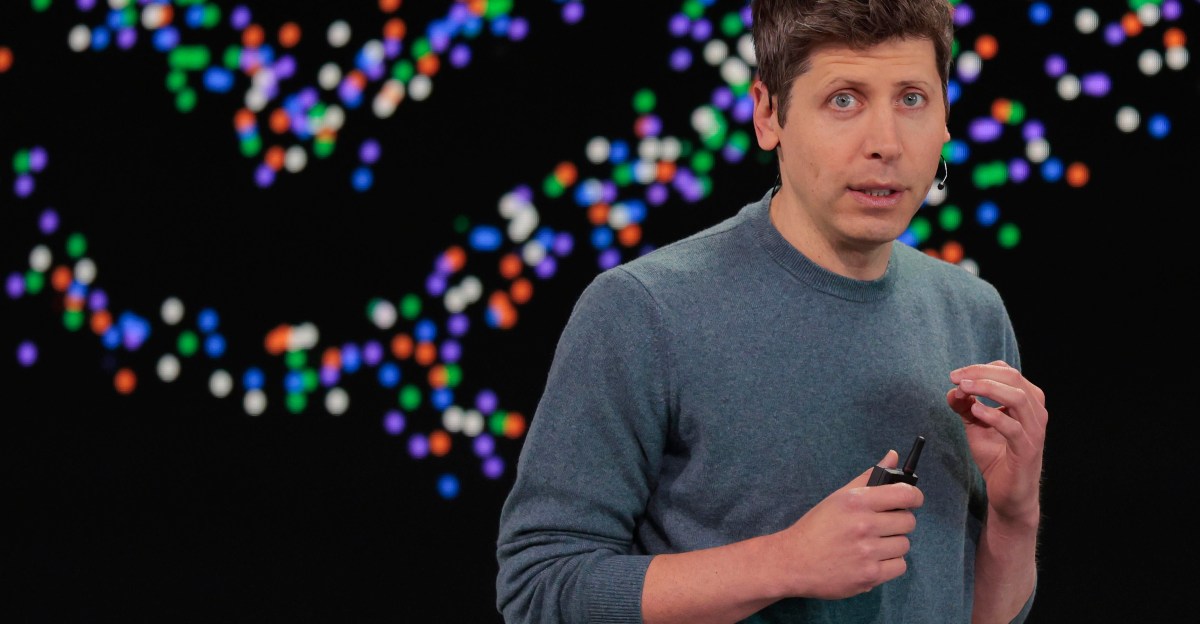
OpenAI CEO Sam Altman criticized the trend of attributing religious significance to AI, while reports emerged about Anthropic discussing AI consciousness with religious leaders.
GitHub restored the controversial ai-torture-chamber repository after initially removing it due to viral pressure, opting for reduced visibility as a compromise.

The current economic model forces designers to prioritize corporate profit over user well-being, leading to widespread manipulative practices and significant environmental damage.

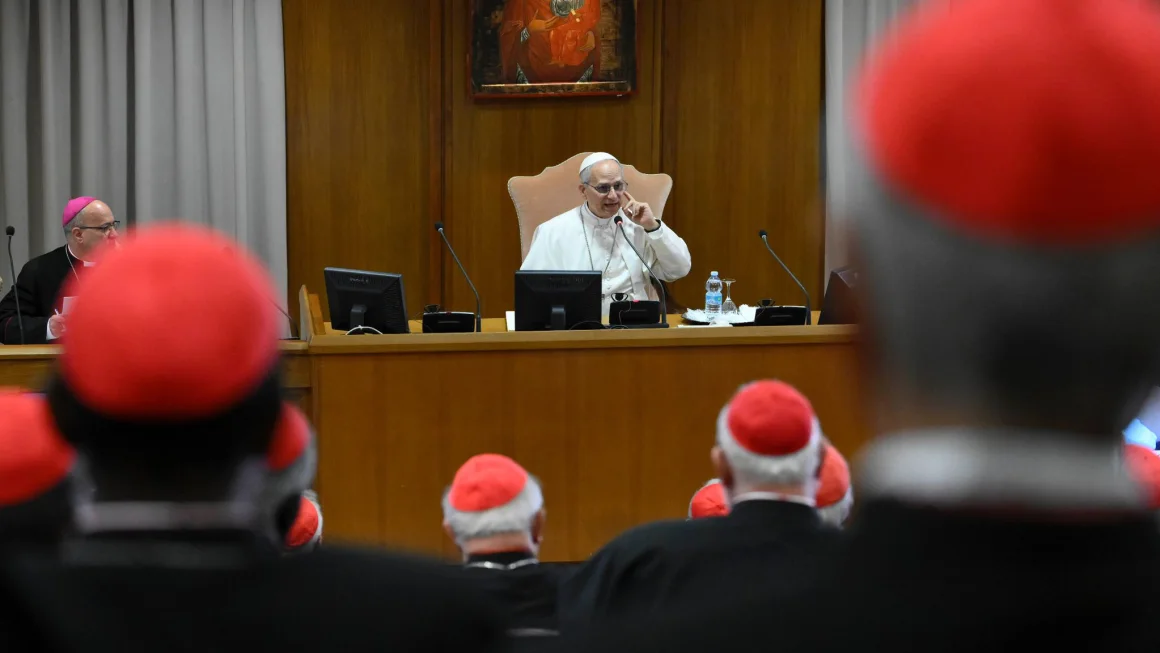
Pope Leo XIV has addressed the distinction between human and machine-generated art, while the Vatican formalizes its stance on AI through new commissions and encyclicals.

Pope Leo XIV has called for a clear distinction between human art and AI-generated content, emphasizing that machines lack the essential spark of humanity.

Pope Leo XIV has formally challenged the rise of AI-generated art, citing a lack of human essence in machine-produced content despite lobbying efforts from AI firms like Anthropic.

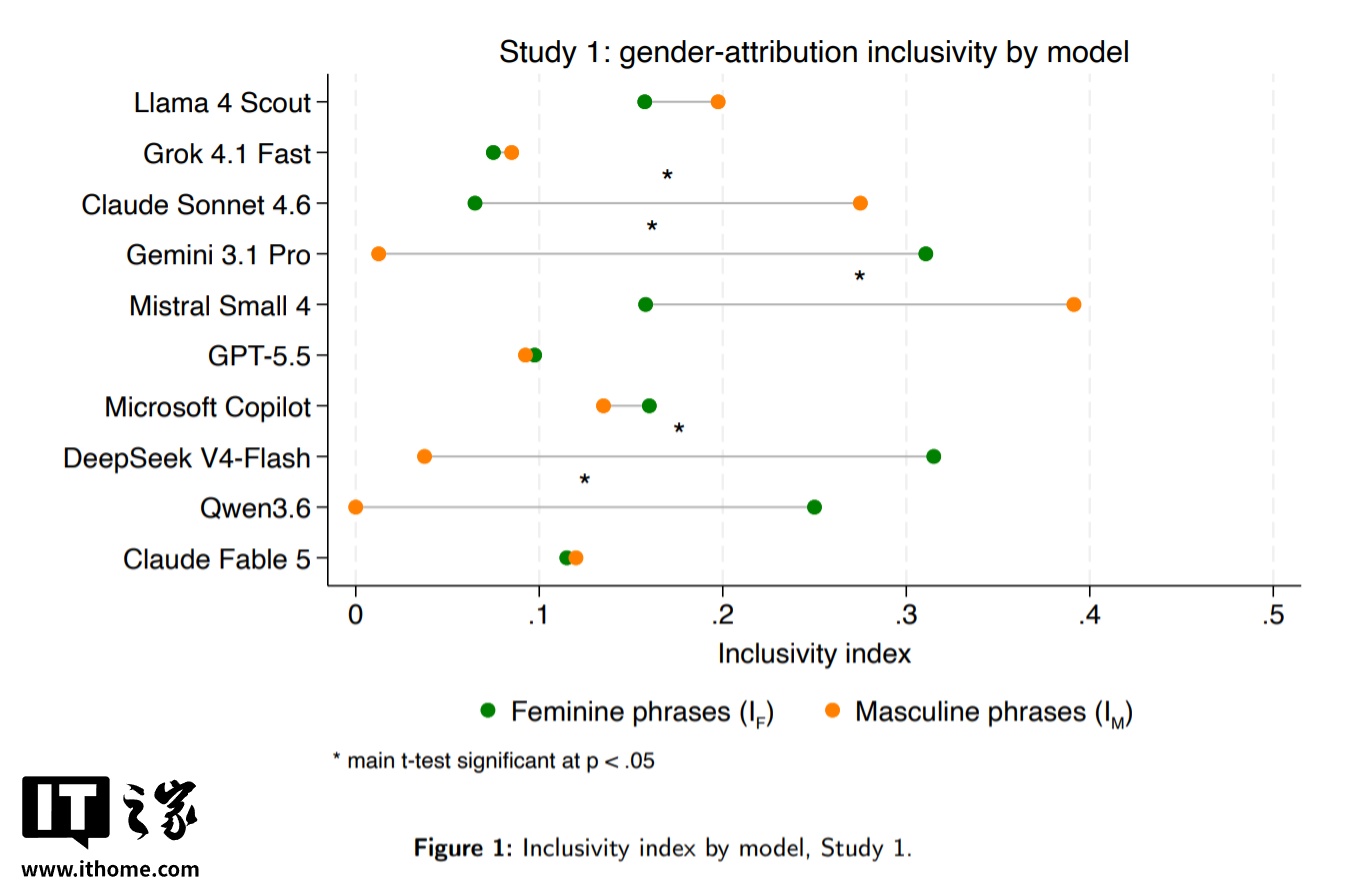
A new study reveals that while models like Claude and GPT show gender bias in ethical decision-making, DeepSeek V4-Flash maintains a neutral stance.

The Guardian reports that ChatGPT and Grok edit out religious head coverings from images upon request, raising concerns about AI safety and consent.