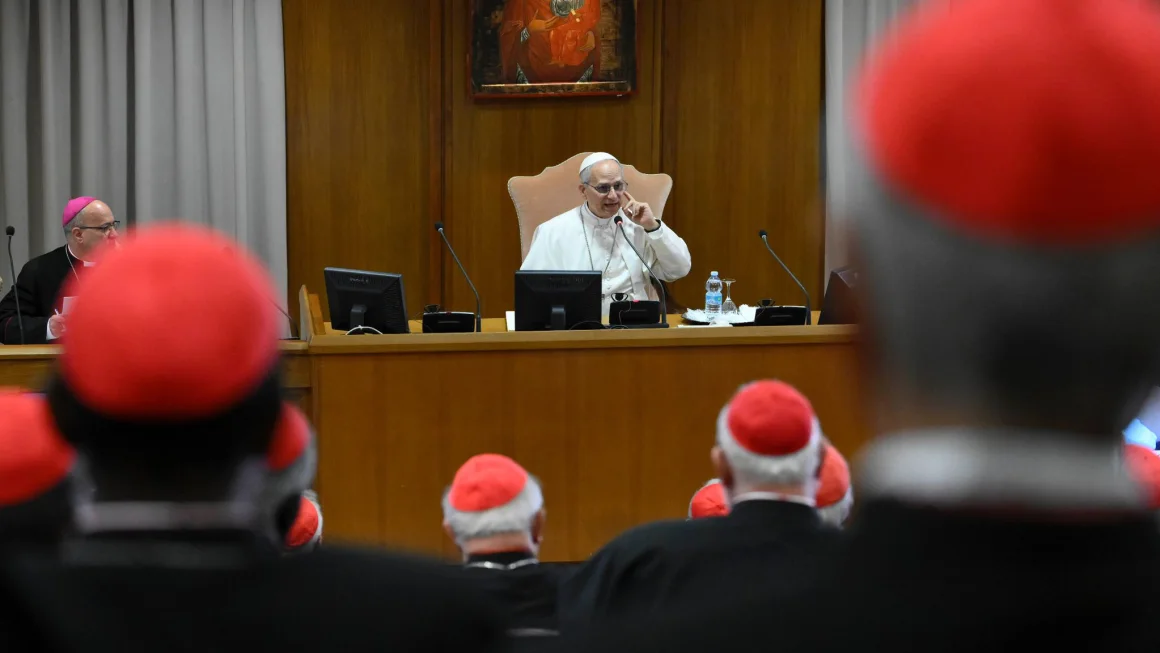
On October 2, Pope Leo XIV addressed the impact of artificial intelligence on the art world during an event in the Vatican. He emphasized that society must distinguish between human-created art and machine-generated content, noting an ontological difference between the two. The Pope stated that algorithms lack the spark of humanity, as they rely on statistical calculations rather than personal experience.
The event, titled 'The Art of Possibility: Weaving Together,' was organized by the Vatican's Department of Culture and Education. Leo XIV argued that true art serves to provoke reflection on human desires, trauma, and the search for meaning, contrasting this with the instant answers provided by AI. He noted that art refuses simple, ready-made solutions, which distinguishes it from machine output.
In light of the rise of AI, the Pope highlighted the growing importance of artists in preserving cultural connections. Consequently, the Catholic Church intends to strengthen its cooperation with artists and cultural institutions to protect unique human values. This follows his earlier concerns regarding the potential risks of AI, which he discussed during a visit to France.
In May, the Pope released his first encyclical, Magnifica Humanitas, which focuses on maintaining human dignity in the age of technology. While he has not proposed a ban on AI-generated art, he advocates for maintaining the unique status of human creation. The Vatican continues to increase its research and coordination efforts regarding the societal implications of artificial intelligence.