

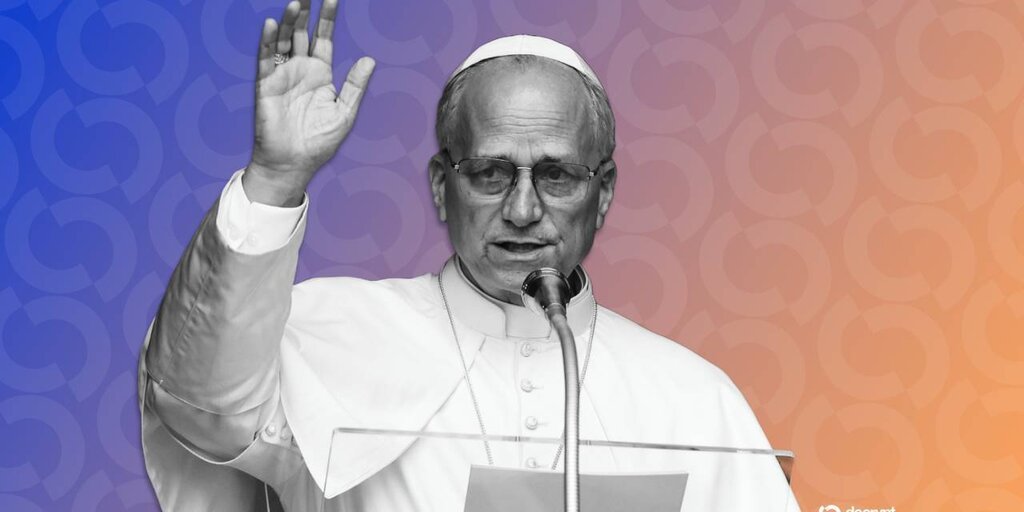
Pope Leo XIV recently stated that there exists an ontological difference between human-created art and machine-generated content. He argued that algorithms rely on statistical calculations derived from millions of existing images, lacking the human experience and spark necessary for true artistic creation.
The Vatican has taken formal steps to address the rise of artificial intelligence. In May, the Pope issued an encyclical titled Magnifica Humanitas, which emphasizes that technology is not neutral and that data should be treated as a common good. Additionally, the Vatican established an AI commission involving seven internal bodies to coordinate policy.
The debate over AI authorship has reached legal and social spheres. In March, the U.S. Supreme Court declined to hear Thaler v. Perlmutter, effectively maintaining that copyright protection requires a human author. Meanwhile, the portfolio platform Cara, which prohibits AI-generated images, reported reaching nearly 900,000 users by June 2024.
Technical challenges persist in identifying AI content. In April, an AI-detection tool from Pangram Labs flagged posts from the Pope's own X account as potentially machine-generated. Furthermore, in 2024, the tool ZeroGPT incorrectly identified the U.S. Declaration of Independence as 97.93 percent AI-generated, highlighting the unreliability of current detection methods.



