U.S. Senate Proposes Energy Permitting Reform to Support AI Growth
A new U.S. Senate bill aims to fast-track energy infrastructure for AI data centers, uniting fossil fuel and renewable sectors while dividing environmentalists.

A new U.S. Senate bill aims to fast-track energy infrastructure for AI data centers, uniting fossil fuel and renewable sectors while dividing environmentalists.

The US Senate has blocked the Ratepayer Protection Act, which sought to shift energy infrastructure costs from residents to data center operators.

A coalition of organizations has sued the Trump administration over a rule rollback that weakens federal fuel economy standards, potentially costing drivers over $1,600 per vehicle.

California Governor Gavin Newsom has enacted new clean energy legislation, while vetoing a bill focused on community solar programs.

The state visit of Chinese President Xi Jinping to the White House highlights a growing divergence in energy strategies between the U.S. and China.

The Netherlands has cut its 2040 hydrogen demand forecast by 57%, shifting its energy strategy toward direct electrification and away from hydrogen-based heating and power generation.

Virginia has launched an AI task force and a new regulatory framework to tighten oversight of data center construction, energy consumption, and environmental impact.
The U.S. Department of Energy has launched a new Geothermal Center of Excellence in Colorado to foster collaboration between national laboratories and the private sector.

The Backbone Coalition has unveiled a three-year strategy to secure Europe's battery supply chain and reduce dependence on external providers.

China has frozen approvals for new battery storage factories to combat overcapacity as commissioned capacity fell 18% in early 2026.

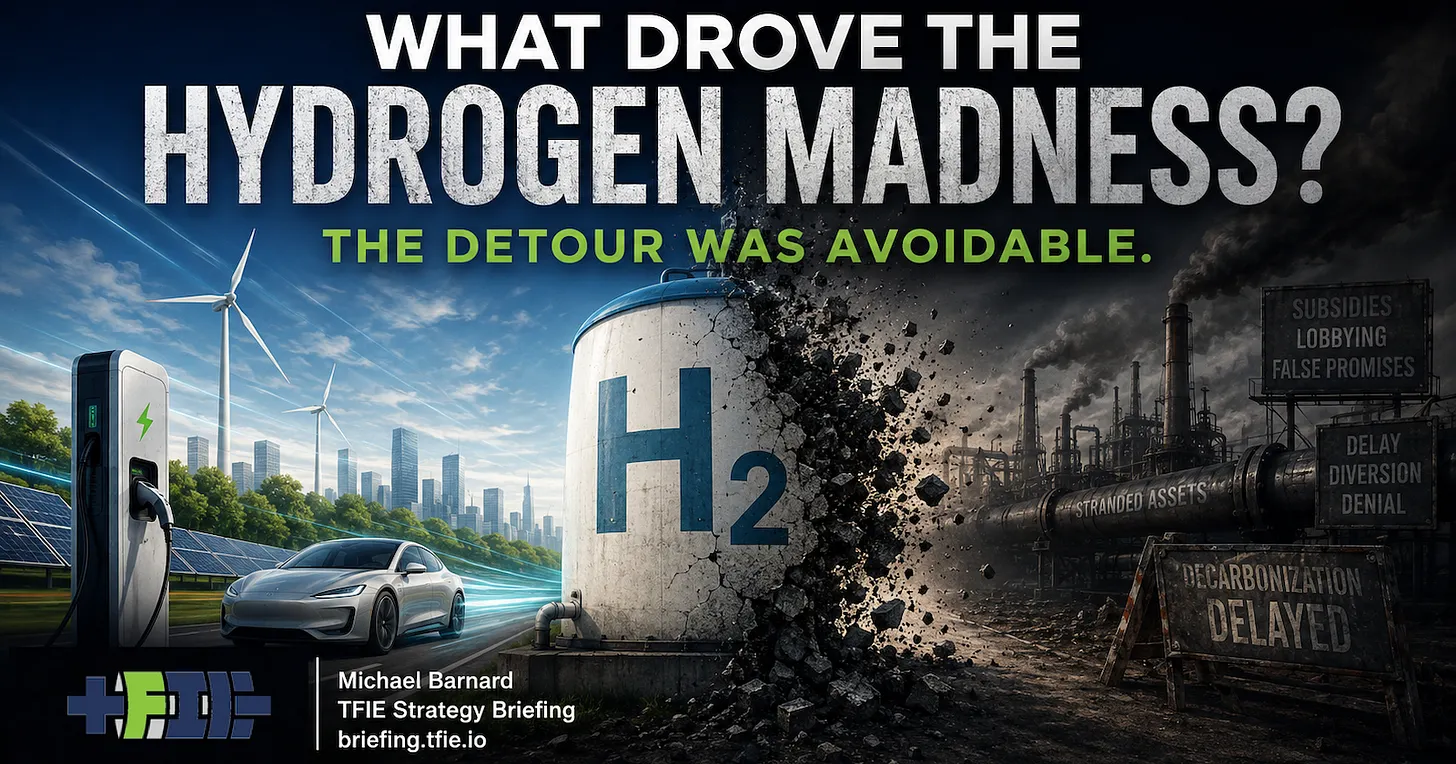
Hydrogen initiatives persist despite unfavorable economics and technical constraints, driven by institutional self-interest and the need to protect legacy industrial assets.