Russia to Require National Encryption for 5G Devices by 2032
The Russian Ministry of Digital Development plans to mandate the integration of the national Kuznyechik encryption algorithm into all 5G smartphones by March 2032.
The Russian Ministry of Digital Development plans to mandate support for the domestic Kuznechik encryption algorithm in all 5G smartphones by March 2032.

Ethereum Foundation researcher Justin Drake warns that AI could break the ECDSA encryption used by Bitcoin and Ethereum within months, urging a migration to new, secure wallet addresses.

NTC IT ROSA has introduced end-to-end encryption for its corporate messenger, alongside new session management tools and guest access features.
Cloudflare is establishing a public certificate authority to issue post-quantum Merkle Tree Certificates, with production scheduled to begin in the first quarter of 2027.

Researchers have developed a method to compromise legacy 1024-bit RSA keys using standard computing power within a few months.

WhatsApp employs a multi-device model where smartphones act as primary devices, while secondary clients function as companions with delegated access.

Researcher Eric Lu has factored an 862-bit RSA key using GPU computing at a cost of $400,000, prompting a reassessment of security for older encryption standards.

CoreWeave has launched a remote encryption service that keeps customer data keys outside of its cloud infrastructure, with IBM joining as a launch partner.

Researchers have set new records in factoring RSA semiprimes using AI tools, raising questions about the long-term security of encryption standards below 2048 bits.

Disk encryption does not guarantee data security if a laptop is only in sleep mode, as encryption keys remain active in RAM.

Apple is challenging the UK government's secrecy policy regarding orders for encrypted iCloud data access at the Investigatory Powers Tribunal.
Secluso introduces a DIY video surveillance system based on Raspberry Pi that uses end-to-end encryption to bypass cloud-based security risks.

Google has accelerated its post-quantum migration deadline to 2029, as new research suggests quantum computers may require significantly fewer qubits to break current encryption than previously estimated.

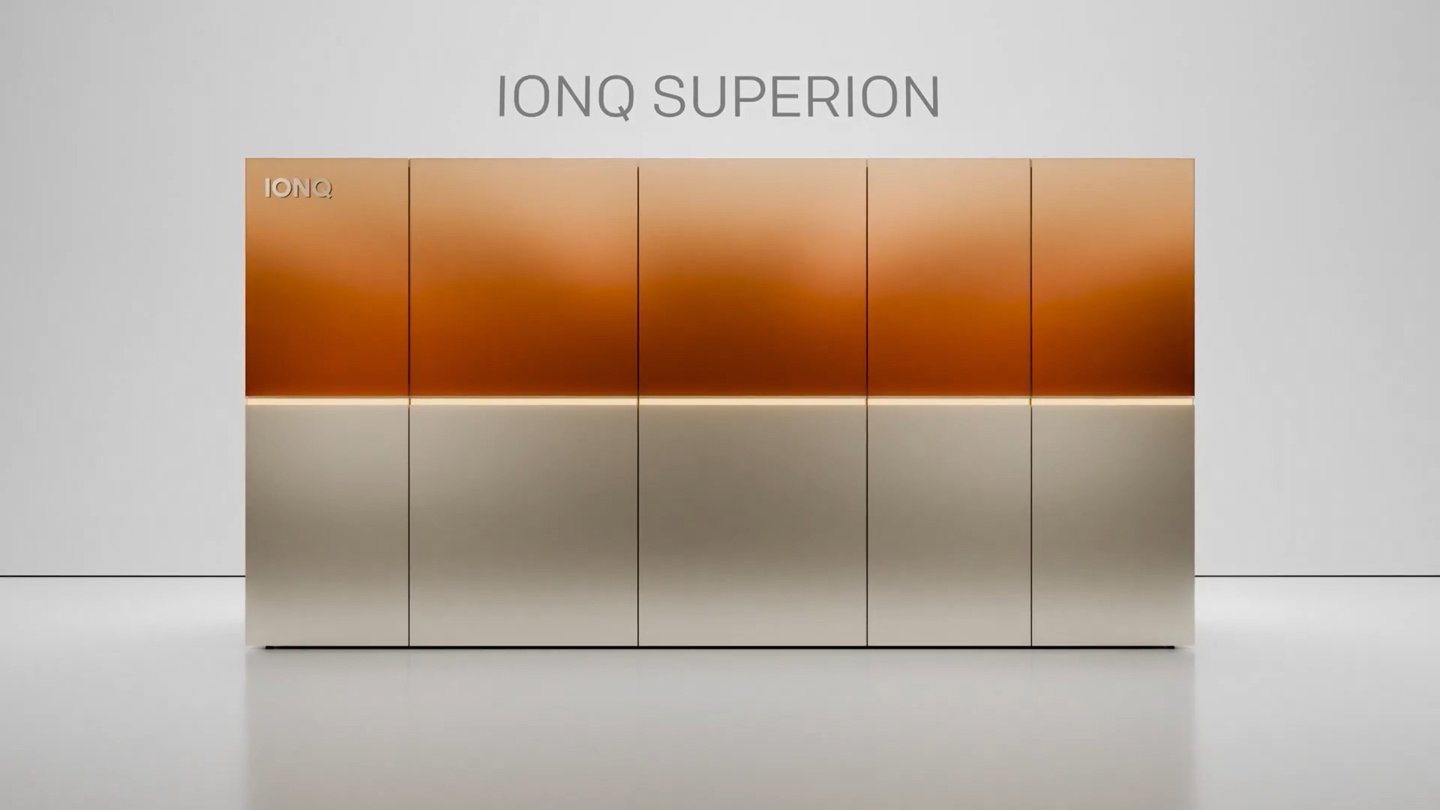
IonQ CEO Niccolo de Masi expects quantum computers to compromise current encryption standards by 2028, prompting the company to raise its 2026 revenue guidance.

IonQ claims a quantum computer with 20,000 physical qubits could crack Bitcoin's secp256k1 encryption in 26 days.

CryptoPro is developing a new browser with integrated encryption tools to meet Russian regulatory standards, with project costs estimated at several tens of millions of rubles.