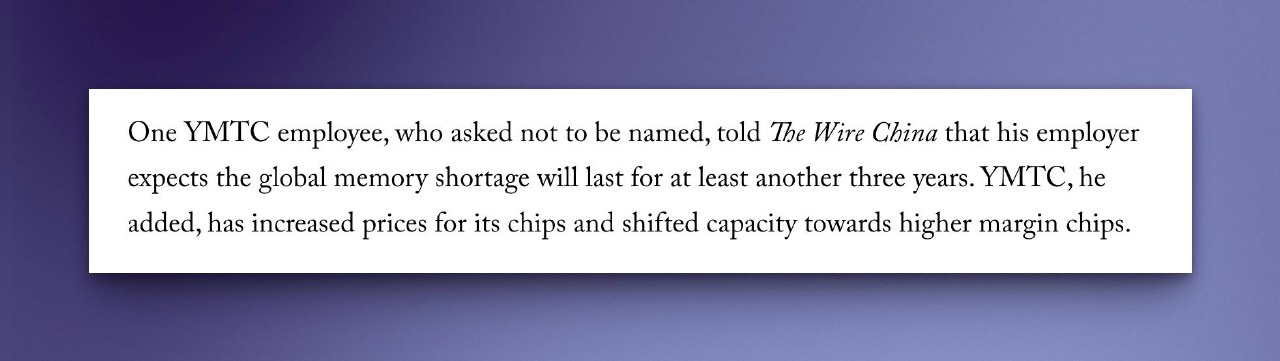
YMTC predicts that the global NAND flash memory shortage will persist for approximately three years, potentially extending until 2029. This trend is driven by the rapid expansion of AI infrastructure and data centers, which prioritize high-capacity enterprise SSDs over consumer electronics.
The supply strain extends to DRAM, with SK Hynix projecting 2027 as a peak year for supply shortages. While TrendForce suggests NAND supply could ease by late 2027 due to new capacity, the high demand from AI and cloud computing may absorb these gains, preventing a market recovery.
YMTC is aggressively expanding its production capacity, with its third wafer fab in Wuhan scheduled to begin operations by the end of 2026. The company aims to ramp up output throughout 2027, with the goal of becoming the world's largest NAND manufacturer by the end of that year.
The shift in demand from consumer devices like smartphones and PCs to AI servers is altering traditional market cycles. Manufacturers are increasingly allocating capacity to high-margin enterprise products, leading to higher costs for consumer-grade SSDs and forcing device makers to adjust configurations.
While market conditions remain cyclical, the massive appetite for storage in AI clusters creates a sustained pressure on supply. Unless AI infrastructure investment slows significantly or new capacity is released faster than expected, the era of rapidly falling SSD prices may be paused for the foreseeable future.