At the 2026 World Intelligent Connected Vehicles Conference, Xpeng CEO He Xiaopeng outlined three major shifts in the autonomous driving sector. Software is transitioning from traditional code to AI models and data, while hardware is evolving from localized components to a fully integrated architecture covering chips, chassis, cockpits, and autonomous driving systems.
The regulatory landscape is also shifting. Future efforts will focus on global standards for L2, L3, and L4 autonomous driving, alongside exploring specific deployment scenarios for L4 and L5 technologies. These changes aim to standardize safety and operational frameworks across international markets.
Xpeng has introduced three core performance metrics for the second phase of autonomous driving: collision-free mileage, user coverage across all scenarios, and the percentage of users willing to pay for the service. These indicators are intended to guide the development of safer, more efficient systems that generate sustainable revenue.
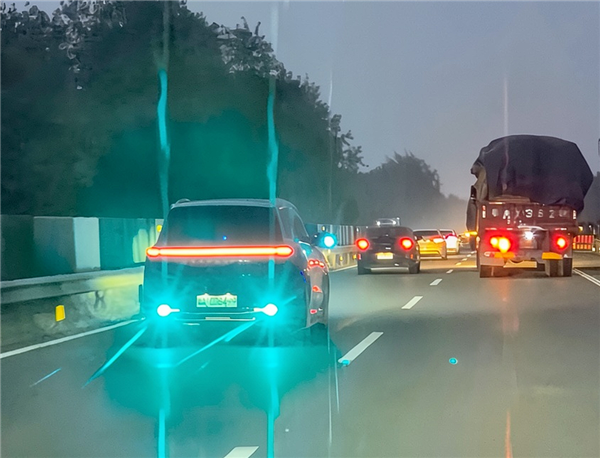
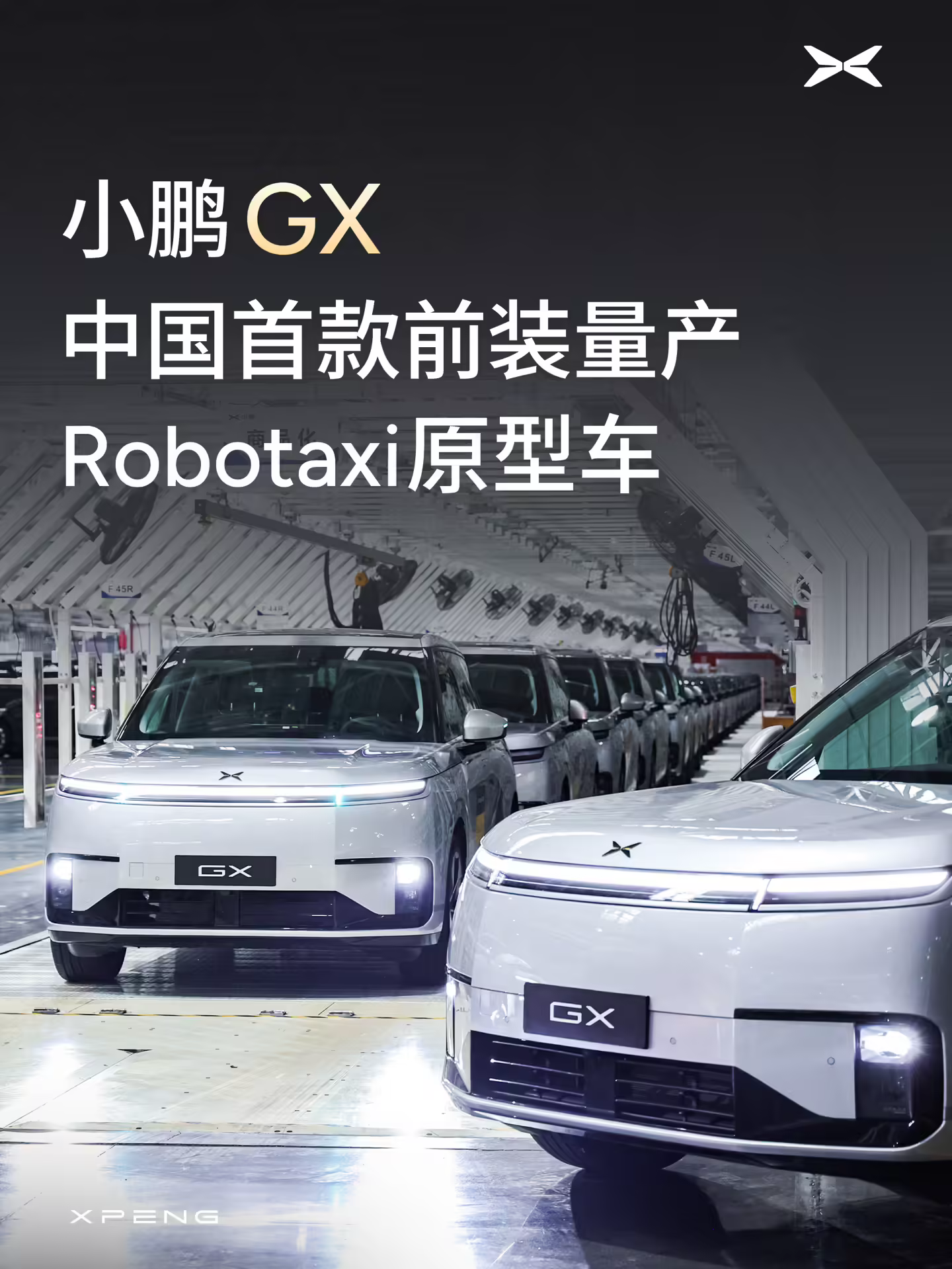
The company is actively advancing its Robotaxi program. As of August, its pre-installed mass-produced Robotaxi, equipped with the second-generation VLA model, completed over 2,000 internal test orders in Guangzhou. Xpeng aims to launch driverless passenger operations by next year, following the establishment of a dedicated Robotaxi division in March.
To accelerate the commercialization of its physical AI technologies, Xpeng has formed a group-level business development team. This unit is negotiating with domestic and international partners to bring the Turing AI chip, second-generation VLA models, Robotaxi services, and humanoid robot technologies to the global market.