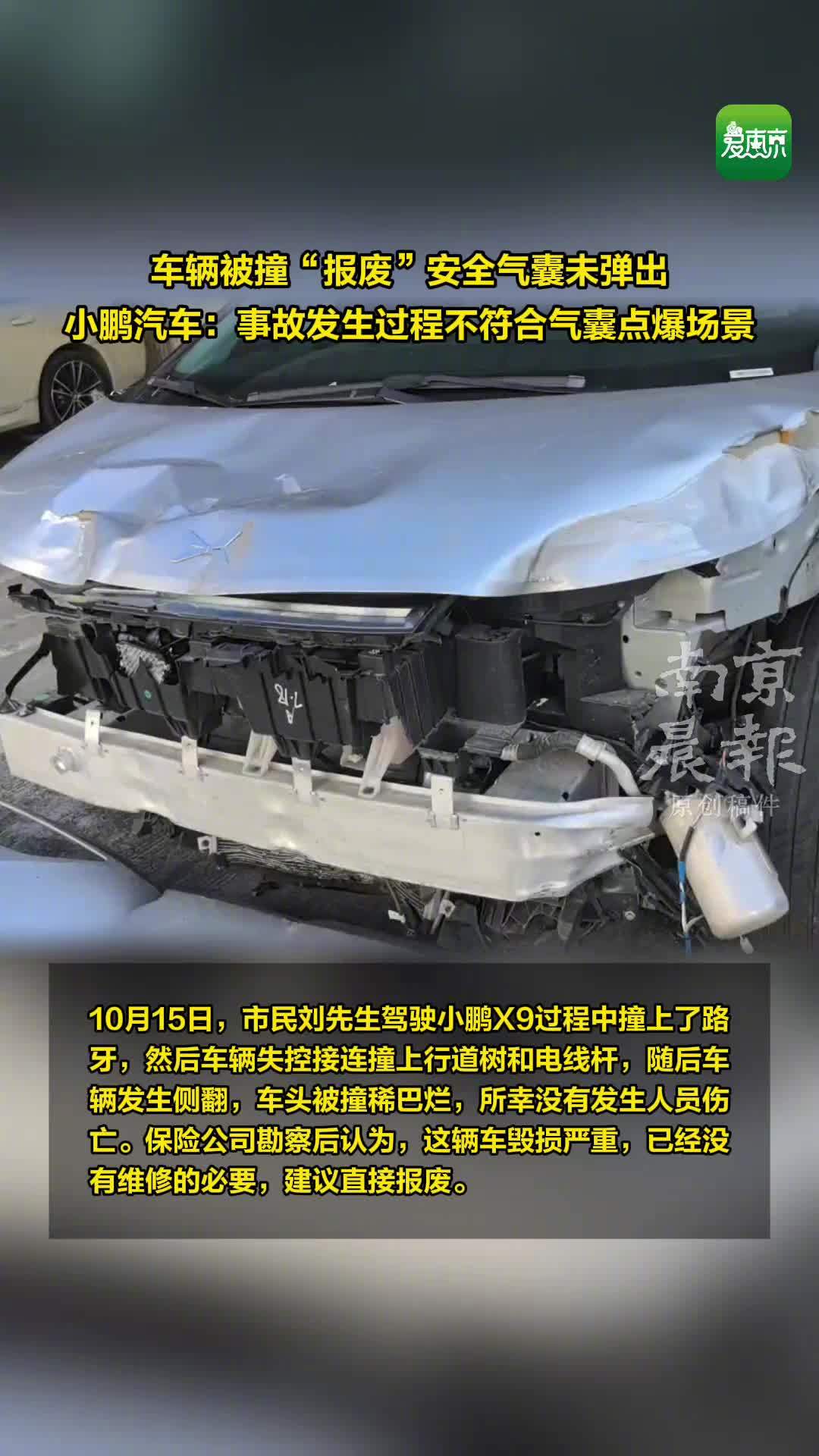
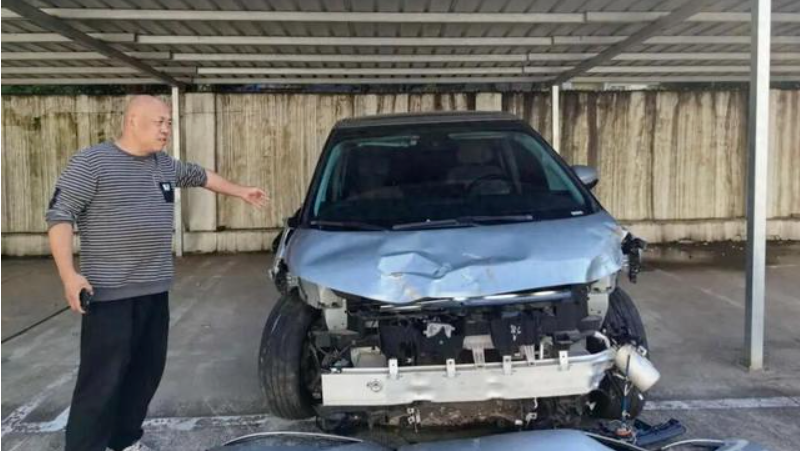
A passenger named Mr. Liu reported a severe accident involving an Xpeng vehicle that resulted in the car being totaled. Despite the vehicle hitting a concrete mixer, a green belt, trees, a utility pole, and rocks before overturning, none of the airbags deployed, including the passenger and curtain airbags.
Mr. Liu stated that the vehicle was traveling at 87 km/h at the time of the collision. Both occupants briefly lost consciousness but sustained no physical injuries. Following the incident, the owner contacted the after-sales service department to inquire about the failure of the safety systems.
Xpeng representatives responded via email, stating that the impact did not meet the trigger conditions for the airbag collision sensors. The company expressed its willingness to respect the customer's decision to appoint a third-party agency for a technical inspection of the vehicle.
The manufacturer requested to remove the vehicle's computer module for internal testing. However, Mr. Liu expressed concerns regarding potential data tampering and insisted on conducting an independent inspection at his own expense to ensure the integrity of the evidence.
Legal experts suggest that both parties should jointly seal the physical evidence before any inspection takes place. They also recommend applying for formal evidence preservation or a judicial appraisal to ensure that the burden of proof is correctly shifted to the manufacturer.