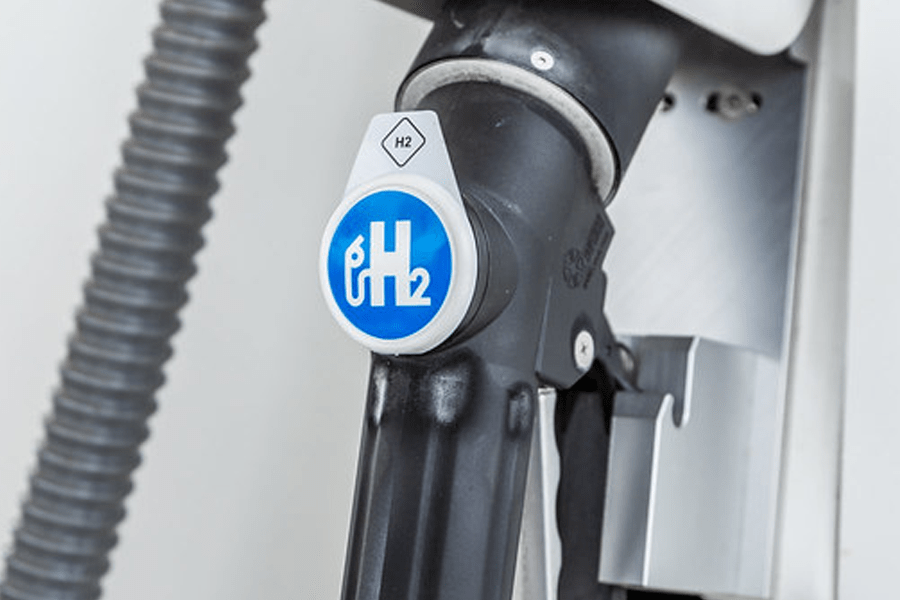
Volvo Trucks and Daimler Truck have adopted different strategies for hydrogen storage in heavy-duty vehicles. While Daimler Truck focuses on liquid hydrogen, Volvo Trucks has confirmed it will continue to utilize compressed hydrogen gas in its upcoming fuel cell trucks. Jan Hjelmgren, Senior Vice President at Volvo Trucks, stated that the company prefers established storage systems and existing infrastructure for faster implementation.
The technical requirements for liquid hydrogen, which must be maintained at -253 degrees Celsius, contrast with the simpler handling of gaseous hydrogen. Despite these differences, the joint venture Cellcentric, which also includes Toyota as a shareholder, produces fuel cells compatible with both storage methods. The fuel cells heat liquid hydrogen before use, converting it into a gaseous state for the engine.
Both manufacturers are part of a European initiative launched in September to accelerate the deployment of fuel cell electric vehicles. The alliance aims to deliver concrete results by 2030. To support the hydrogen ecosystem, both companies plan to produce small series of vehicles. Daimler Truck has already committed to 100 units, while Volvo Trucks has not yet specified its production volume for pre-series models.
Volvo Trucks expects its fuel cell vehicles to reach the market by the beginning of the next decade. However, the company is also developing hydrogen combustion engines, which could be ready for commercial release before 2030. Volvo Trucks previously conducted initial road tests with a fuel cell prototype in 2023, though the company maintains a more private development process compared to its partner.