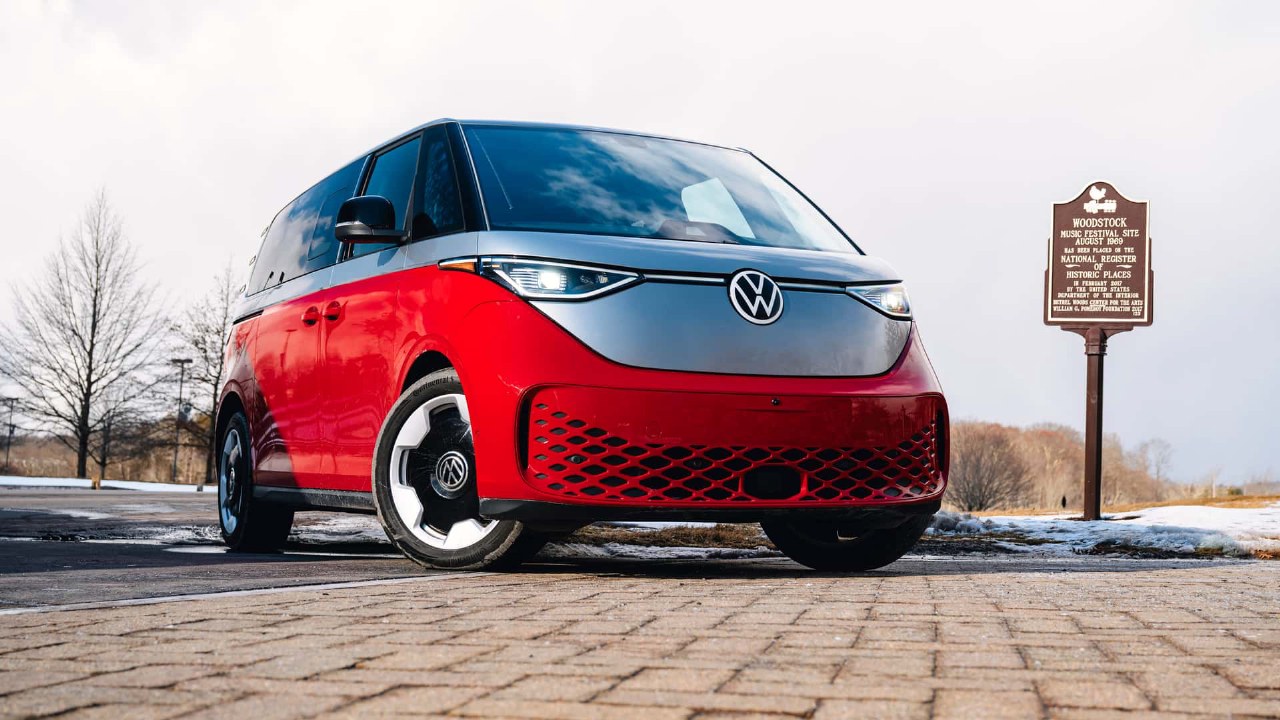
Volkswagen CEO Thomas Schäfer confirmed plans for a second-generation ID. Buzz during the 2026 Paris Motor Show. The new model will transition from the current MEB architecture to the company's Scalable Systems Platform (SSP). This shift is intended to improve vehicle range, charging speeds, and software capabilities while reducing overall production costs.
The automaker aims to address the current model's high price point, which has hindered sales performance. By leveraging the SSP platform across various group brands and potentially utilizing lithium-iron phosphate batteries, Volkswagen plans to offer a more affordable vehicle. The company intends to maintain the van's iconic design while evolving its aesthetic to avoid over-reliance on retro styling.
The interior of the next-generation van is expected to move away from touch-sensitive sliders in favor of more practical, physical controls, following design changes seen in recent models like the ID. Tiguan. While the current ID. Buzz will receive ongoing software and functionality updates, the second-generation model is not expected to launch before 2030.
In 2024, demand for the ID. Buzz reached 60 700 units, with sales split between passenger and cargo versions. The vehicle is scheduled to return to the United States market for the 2028 model year. Meanwhile, European markets are receiving a long-wheelbase cargo version featuring a wooden floor and a steering wheel equipped with physical buttons.