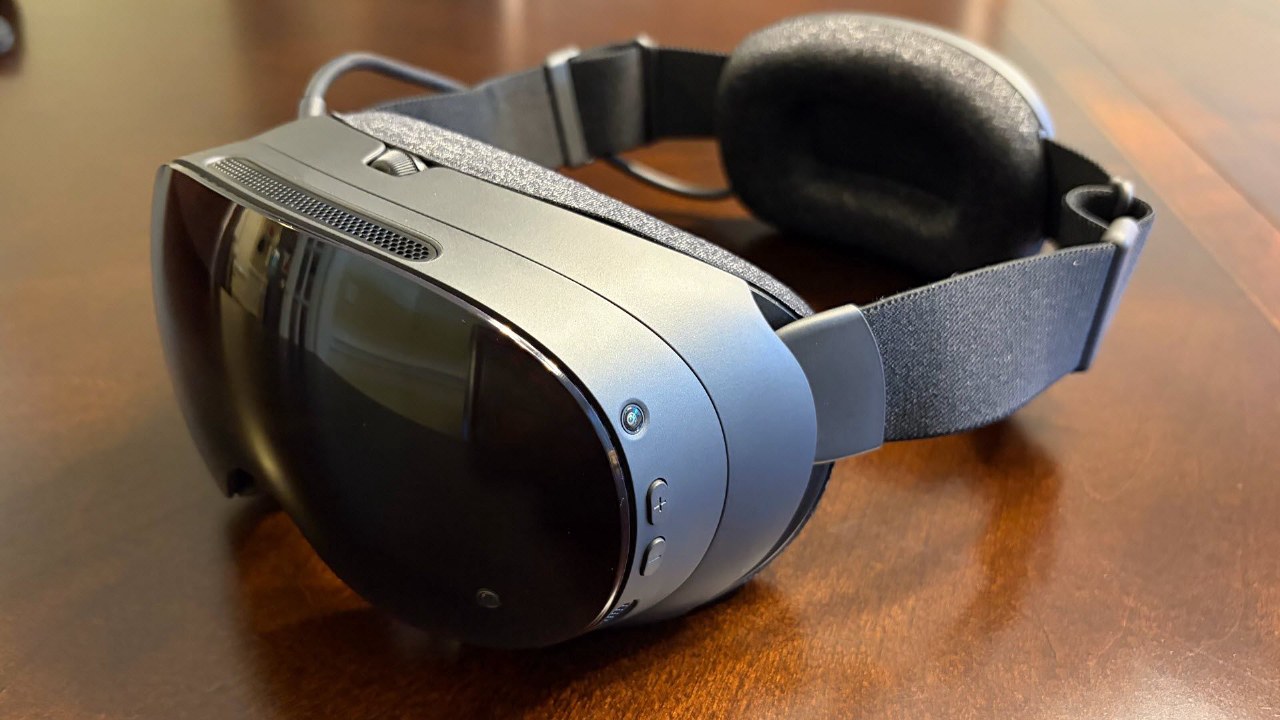
Valve has developed the Steam Frame headset, focusing on comfort and accessibility compared to the Index. The device features a Qualcomm 8650 chip, allowing it to function as a standalone unit or stream content from a PC. Valve engineers utilized Steam OS on ARM to support game compatibility, leveraging Proton for performance.
The headset incorporates eye-tracking cameras to enable foveated streaming. This technology prioritizes bandwidth and encoding resources for the specific area the user is looking at, effectively increasing the bitrate in the focus zone by up to 10 times. This approach optimizes the use of finite network and graphics resources.
For wireless connectivity, the Steam Frame uses a multi-link system that combines a dedicated wireless dongle with home Wi-Fi. If one connection fails, the other maintains the stream. In case of extended signal loss, the device reprojects previous frames or transitions the user to a default environment to prevent disorientation.
The Steam Frame is priced up to $1,300 depending on the configuration. Valve representatives noted that the pricing reflects current market realities, including the costs of components like memory and motherboards, as well as increased global shipping expenses. The company aims to keep costs as low as possible given these conditions.
Valve is implementing a 'Verified' program for the Steam Frame, similar to the Steam Deck. Developers are encouraged to optimize their titles for the headset, with Valve working on native support for games like Half-Life Alyx to remove performance barriers. Some developers are adapting existing Android versions of their games for the platform.