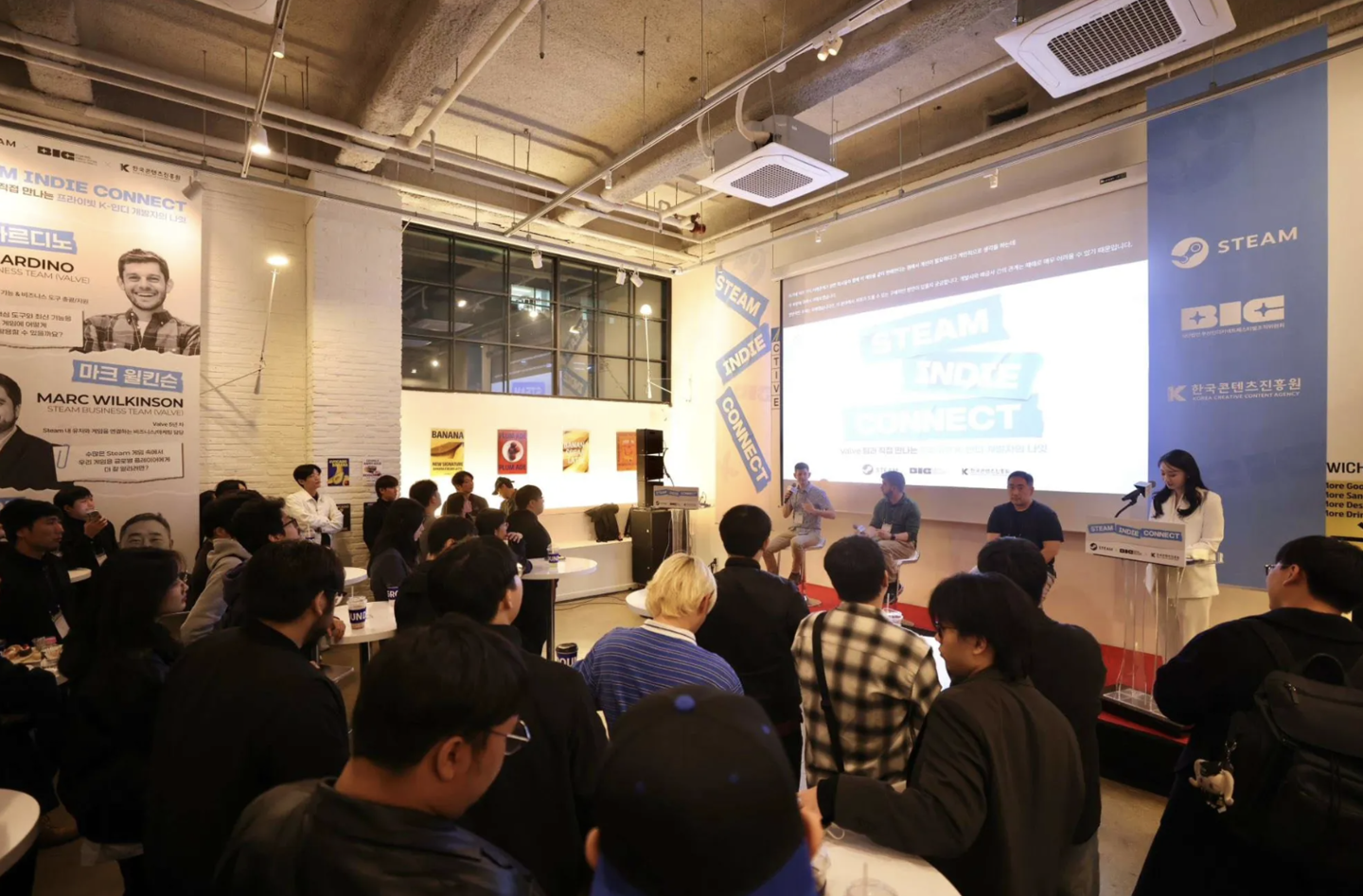
During the recent Steam Indie Connect event, Valve representative Tom Giardino confirmed the company's continued commitment to virtual reality. Despite this, he noted that most Steam Frame users currently prioritize playing traditional 2D games in virtual spaces rather than engaging with native VR content.
Valve identified a classic chicken-and-egg dilemma hindering the VR market. Developers are hesitant to invest in VR titles until the user base grows, while consumers are waiting for a larger library of high-quality games before purchasing hardware. The constant release of popular 2D AAA games further complicates this dynamic.
Hardware supply chain issues remain a significant hurdle for Valve. Rising costs for memory and storage chips have forced the price of Steam Frame above initial projections, which has dampened consumer interest and delayed adoption. Valve expressed regret over how these pricing pressures have impacted VR developers.
Valve is currently positioning Steam Frame as a hybrid device capable of running both traditional and VR games to broaden its appeal. The strategy aims to increase the installed base of SteamVR-compatible hardware, hoping that a larger user pool will eventually incentivize developers to create more dedicated VR content.
The broader industry landscape adds further uncertainty to this approach. Meta has reduced its large-scale financial investments in the VR sector and has not committed to a specific release schedule for future Quest headsets. These shifts, combined with high component costs, continue to challenge the expansion of the VR ecosystem.