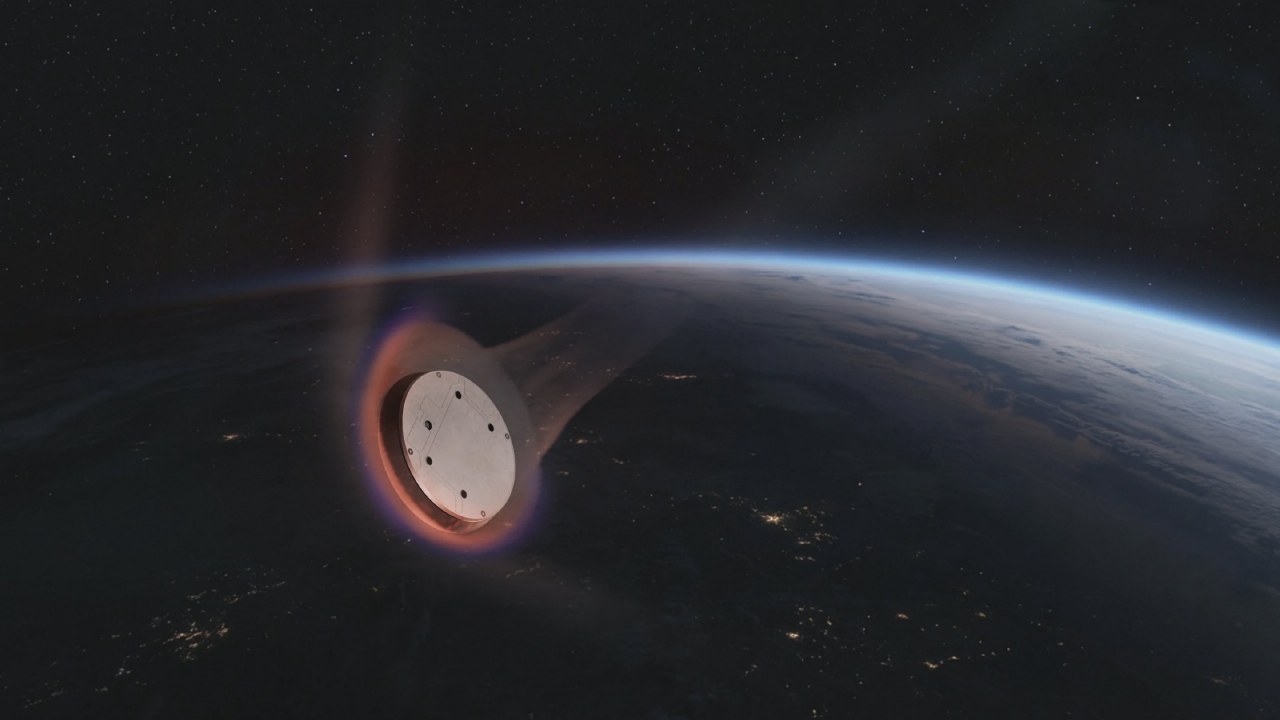
The US Air Force Research Laboratory (AFRL) and SpaceX conducted a test on October 20, 2026, at Cape Canaveral Space Force Station to evaluate the delivery of emergency supplies via orbit. The mission utilized a SpaceX Starfall reentry capsule, which carried a cargo module containing survival gear, medical supplies, and communication equipment.
The Starfall capsule, a 3.1-meter diameter unmanned vehicle capable of carrying up to 1 ton of cargo, was equipped with sensors to measure temperature, vibration, and impact during launch and reentry. The test aimed to verify if sensitive equipment, including satellite positioning devices and inflatable life rafts, could withstand the stresses of space flight.
This initiative is part of the military's Rocket Cargo program, which explores using commercial rockets for rapid global logistics. The project seeks to bypass limitations of traditional air and sea transport, such as dependence on runways or ports, particularly for remote regions or areas affected by conflict or natural disasters.
While the test focused on data collection and cargo module design, the AFRL is collaborating with multiple commercial partners, including Blue Origin, Rocket Lab, Sierra Space, Anduril, Inversion Space, and Outpost Space. The military aims to assess the potential for large-scale logistics, potentially moving tens of tons of supplies in a single launch.
Significant technical and economic challenges remain before a fully operational system is established. These include achieving precise point-to-point delivery, managing orbital windows, and ensuring cost-effectiveness. The AFRL has not yet released full sensor data or confirmed the capability for immediate field deployment.