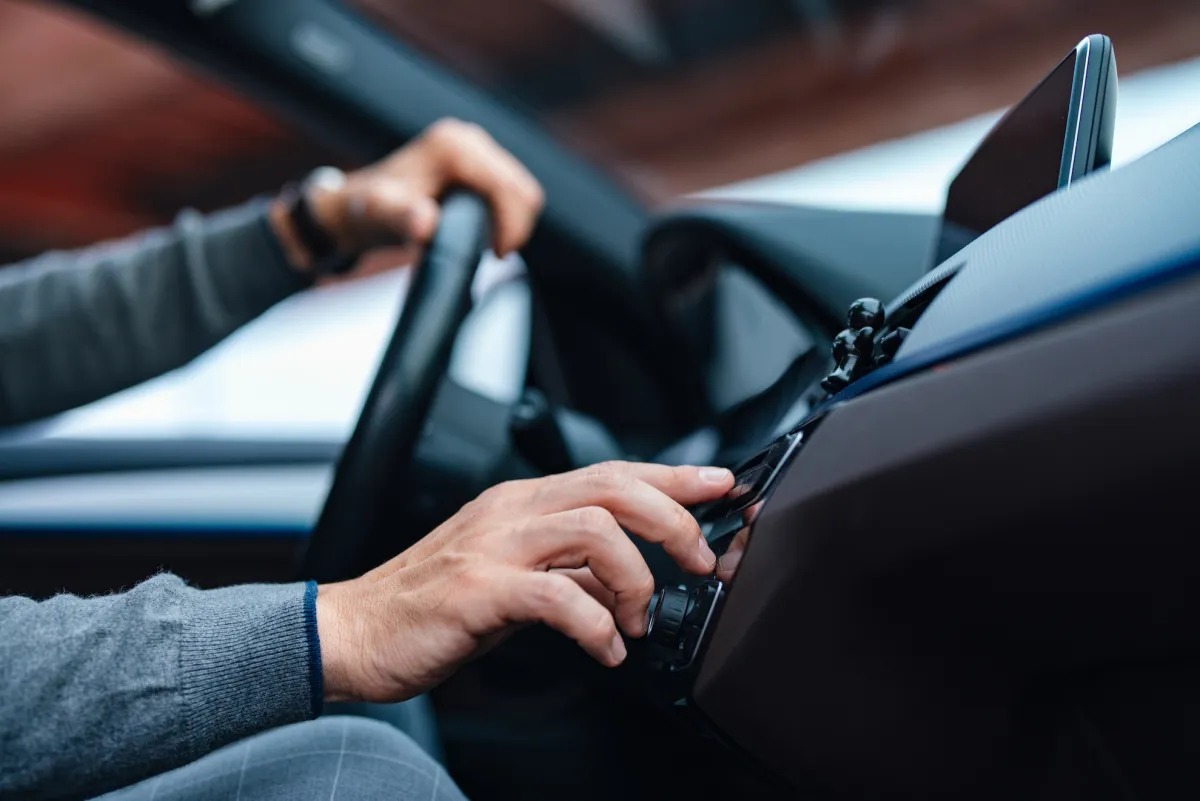
The U.S. House of Representatives has passed the AM Radio for Every Vehicle Act with bipartisan support. The legislation mandates that all new passenger cars, trucks, and SUVs must come equipped with AM radio receivers as a standard feature. Manufacturers are prohibited from charging consumers additional fees for this equipment. The bill now moves to the Senate for further consideration.
The legislative push is supported by a coalition of lawmakers, the broadcasting industry, and emergency response agencies. Proponents argue that AM radio is essential for delivering critical alerts during emergencies due to its long-range signal capabilities. A Senate version of the bill, co-sponsored by Ed Markey and Ted Cruz, has already secured 60 co-sponsors, meeting the threshold to overcome potential filibusters.
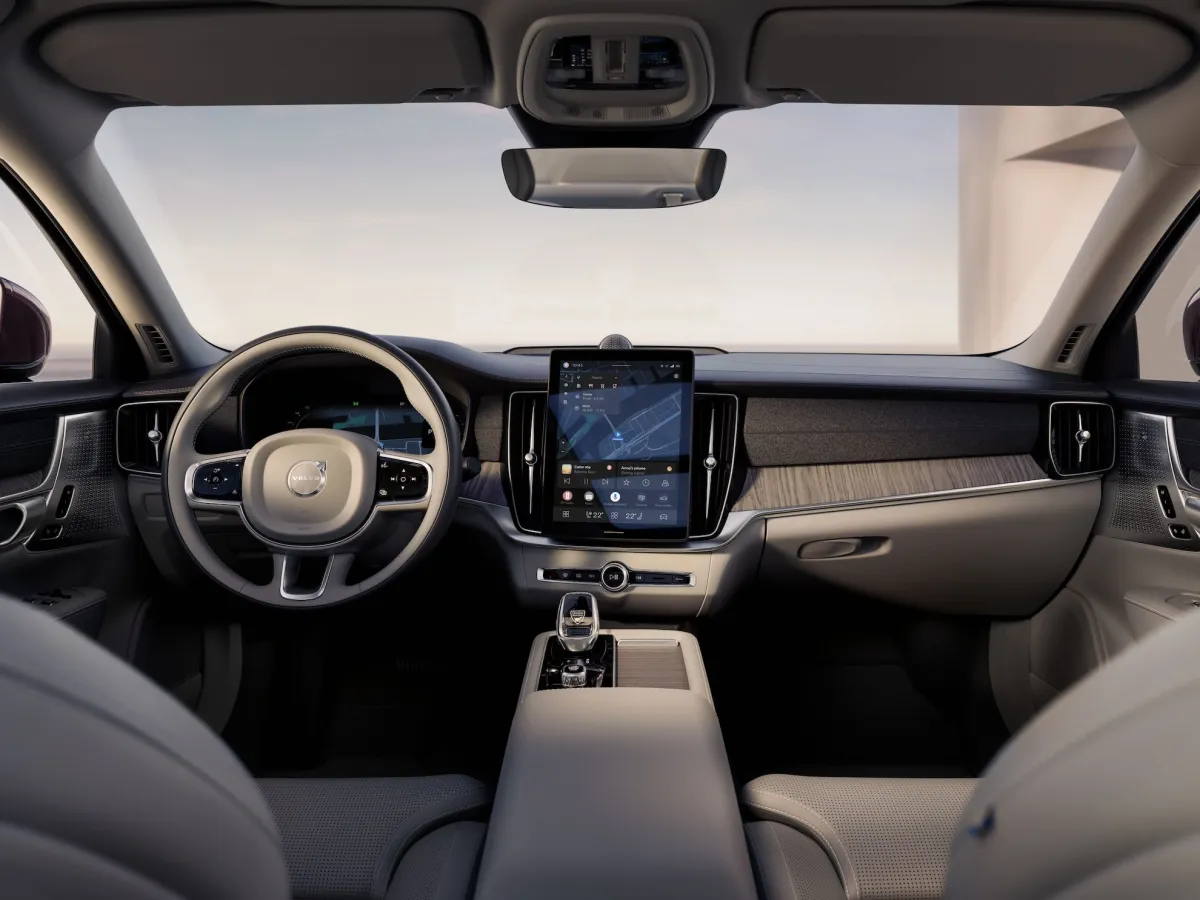
Automakers such as BMW, Rivian, Tesla, and Volvo have been phasing out AM radio in favor of software-defined features and streaming services like TuneIn and SiriusXM. Electric vehicle manufacturers, in particular, have cited electromagnetic interference from motors as a reason for removing AM hardware, noting that it can degrade signal quality and audio performance.
Ford previously removed AM radio from some models but later reversed that decision. Currently, base models of the Tesla Model 3 and Model Y lack AM hardware. The upcoming Rivian R2 SUV does not include AM or FM hardware, though it offers access to digital platforms like iHeartRadio. The Rivian R1S and R1T models provide options for digital streaming or FM reception.