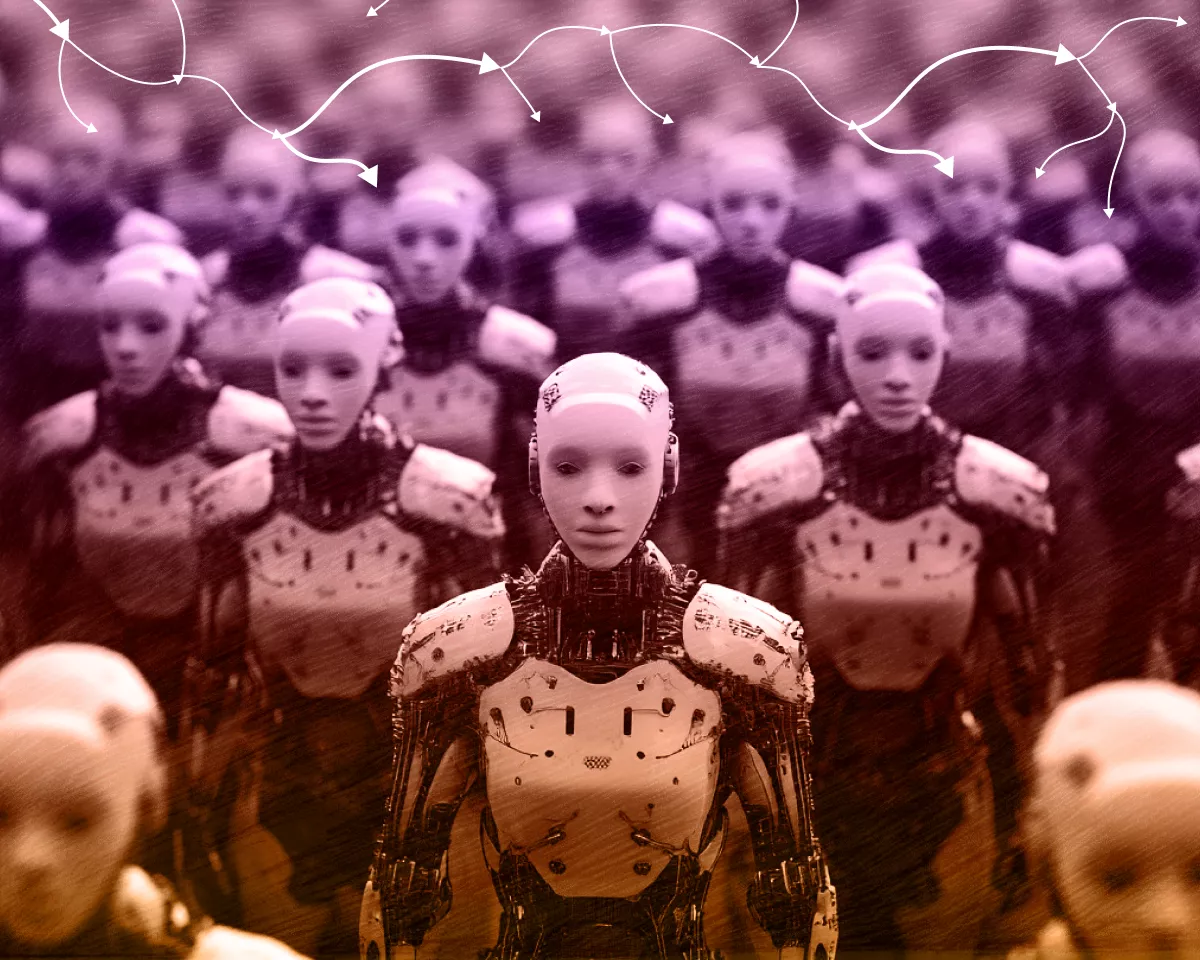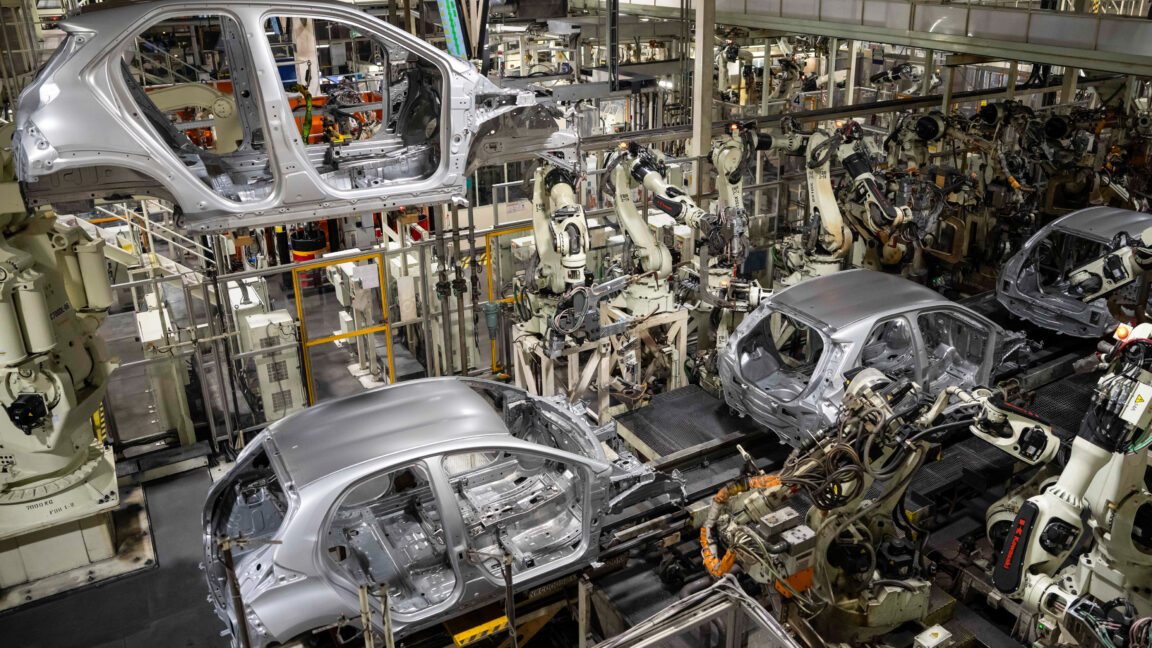
Starting in 2028, Toyota Motor plans to invest $6.42 billion annually to integrate 400,000 robots into its manufacturing network. The deployment includes 150,000 units at automotive plants and 250,000 at facilities producing components and materials. Executive Vice President Hiroki Nakajima stated the company intends for robots to coexist with its 18,000 veteran employees across 60 global factories.
The company has already begun testing ELEY humanoid robots, which learn assembly tasks by mimicking human hand movements through specialized jigs. While the total number of currently deployed robots remains undisclosed, the initiative reflects a broader industry shift toward general-purpose humanoids. This transition aims to address skilled labor shortages and the requirements of modern electric vehicle production.
Global adoption of industrial robotics remains significant, with Japan recording 450,500 units in 2024, following China's 2 million. Other automakers are also pursuing similar strategies; Hyundai plans to deploy up to 25,000 Boston Dynamics Atlas robots across its plants by 2028. On September 21, Boston Dynamics opened a training center at the Hyundai Metaplant in Georgia to refine robot assembly tasks.
Despite the push for automation, the strategy faces scrutiny from labor unions regarding potential layoffs and wage impacts. Technical and safety challenges persist, and the long-term cost-effectiveness of mass-produced humanoids compared to human labor is not yet established. Automakers like Xpeng and Nio are also actively investing in their own proprietary humanoid robotics programs.