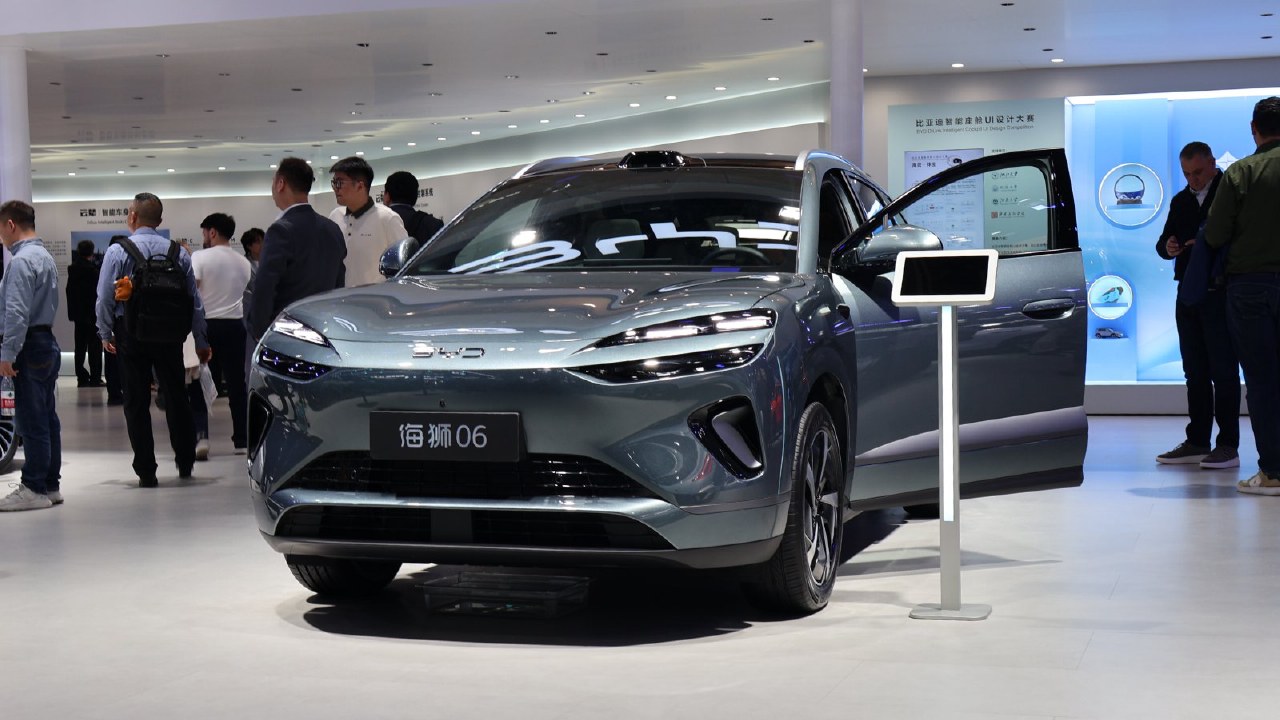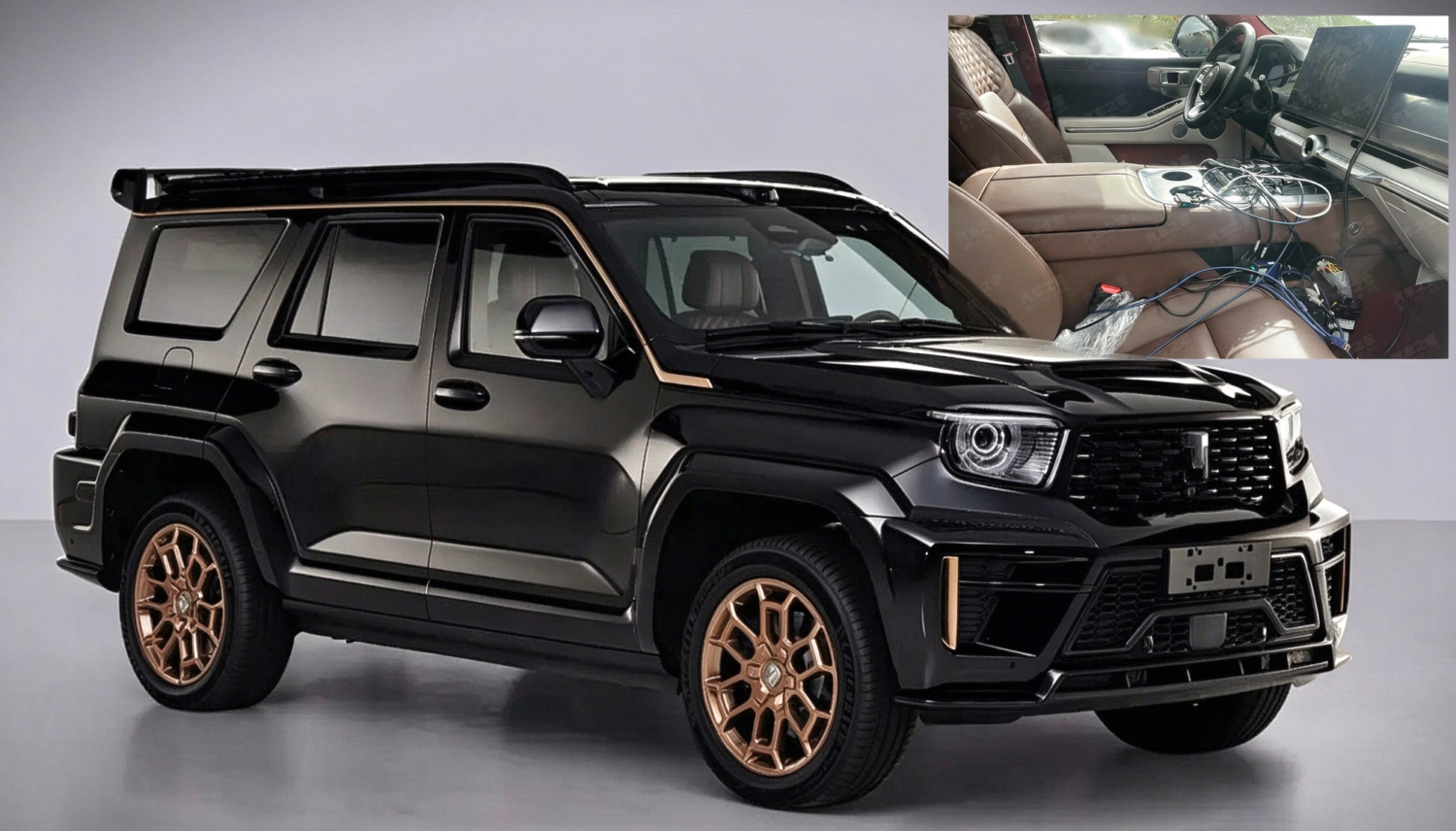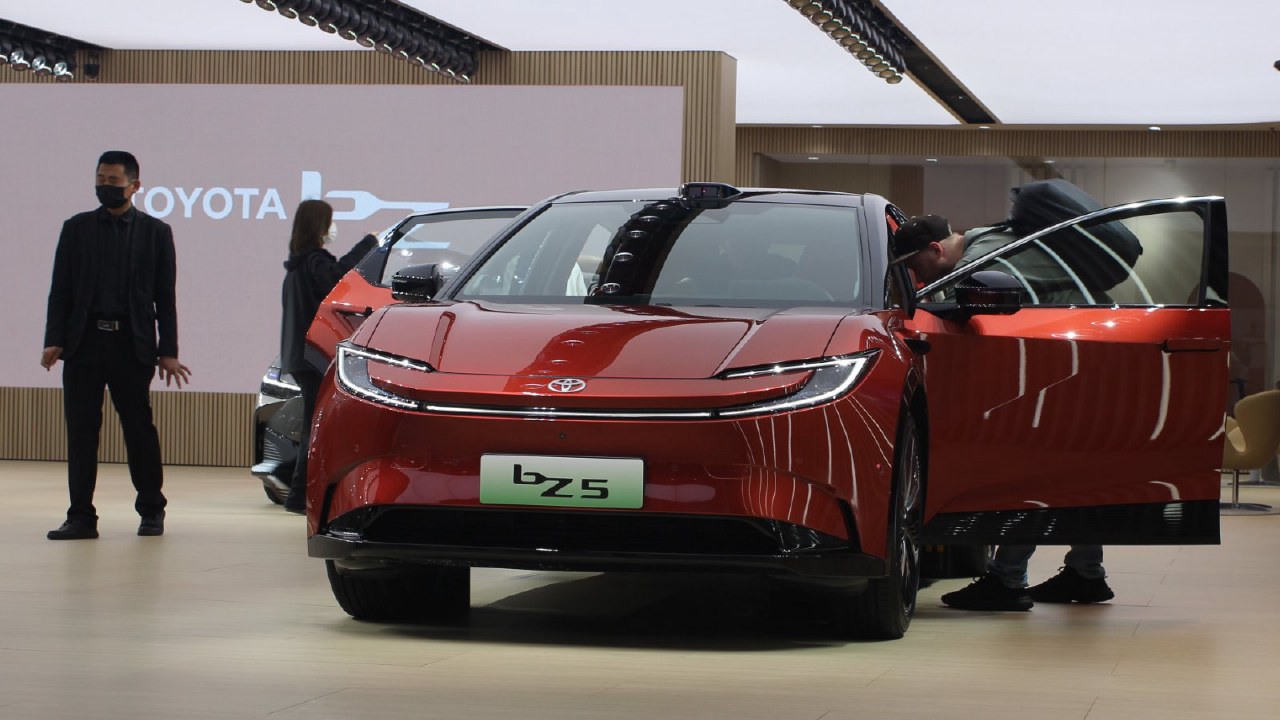
Toyota intends to launch production of extended-range electric vehicles (EREVs) in China starting in April 2027. The company aims to manufacture approximately 200,000 units in the first year, increasing that figure to 400,000 units by 2028. Initial monthly production volume is set at several hundred vehicles.
This strategic shift aims to diversify Toyota's electrified vehicle portfolio in China amid intense market competition. By adopting EREV technology, which utilizes an internal combustion engine to generate electricity for electric motors, the automaker seeks to reduce reliance on charging infrastructure and avoid direct involvement in the ongoing price wars within the battery electric vehicle (BEV) segment.
The decision follows similar moves by other manufacturers, including Nissan, which introduced its first EREV model, the NX8 SUV, in April. Xiaomi also entered the segment on September 7 with its Sky Nomad series. These developments occur as the Chinese EREV market faces pressure, with retail sales totaling 616,000 units in the first eight months of the year, a 15.85% decline year-on-year.
Data from the China Passenger Car Association indicates that EREV retail sales reached 81,000 units in August, down from 85,000 in July. The segment's share of new energy vehicle retail sales fell to 8.06% in August compared to 9.08% a year prior. Meanwhile, total new energy vehicle penetration in China reached a record 65.2% of passenger vehicle retail sales in August.