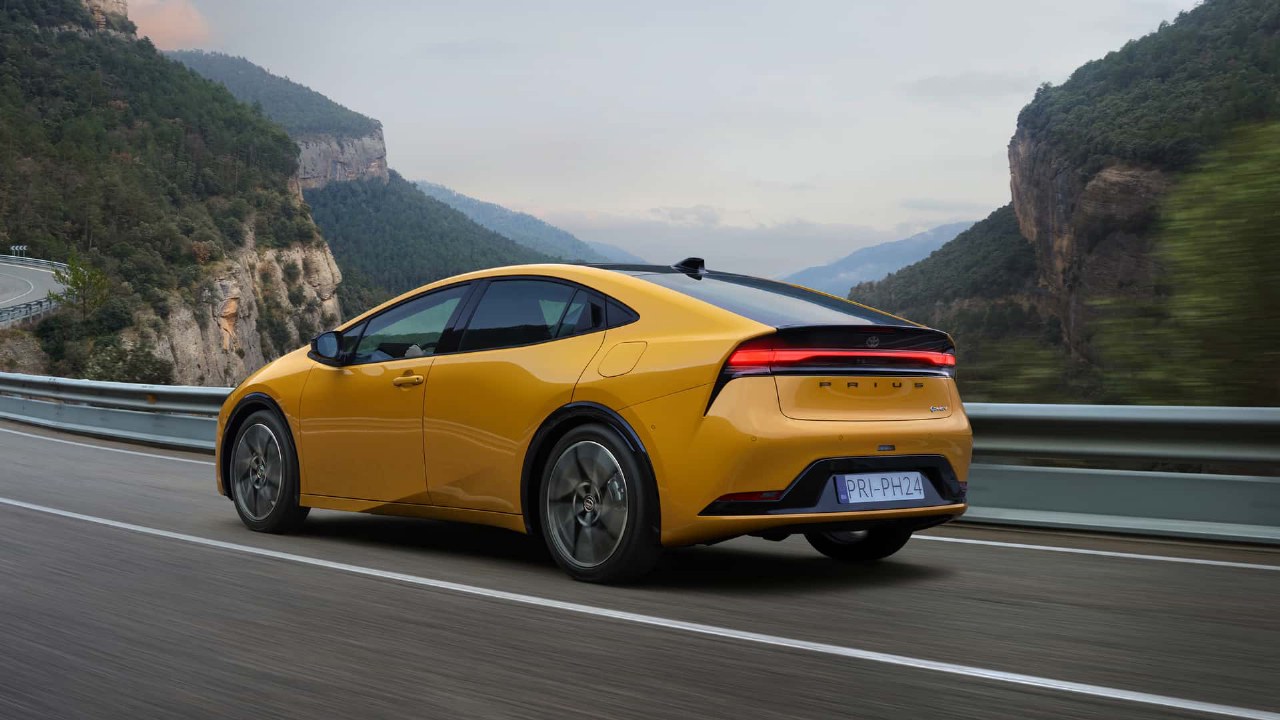
Toyota is lobbying the European Union to classify vehicles running exclusively on renewable fuels as zero-emission models. The proposed VEEF category covers cars powered by synthetic e-fuels, biomass residues, or organic waste. This initiative aims to align regulatory status for these combustion vehicles with battery electric cars, provided they never use conventional gasoline.
The proposal advocates for a shift from tailpipe-only emission limits to a full life-cycle carbon accounting approach. This change would allow manufacturers to offset emissions using fuels derived from waste or captured carbon. Current EU regulations mandate a 100 percent reduction in fleet CO2 emissions for new vehicles by 2035, though a recent legislative draft suggests a 90 percent target with potential offsets.
A pilot program in Spain, which began in July 2026 and lasts for six months, tests this concept with approximately 20 vehicles from Toyota, BMW, and Mini. These cars operate solely on Repsol's 100 percent renewable Nexa 95 gasoline. The trial utilizes Bosch's Digital Fuel Twin system to verify that vehicles do not use conventional fuel, ensuring compliance through data tracking.
Toyota is exploring this framework for a potential five-year period spanning 2028 through 2032. While the company continues to advocate for keeping combustion engines in a decarbonizing market, the final terms of the proposal remain under discussion. As of October 19, the Spanish pilot was ongoing, and no results have been released by the automaker.