The portable digital music era began in 1998 with the launch of the MPMan F10 in Asia, followed by the Diamond Rio PMP300 in the West. These early devices featured 32MB of storage, holding approximately 12 songs. Later, models like the Creative Nomad Jukebox introduced 6GB hard drives, though their bulkiness hindered mainstream adoption.
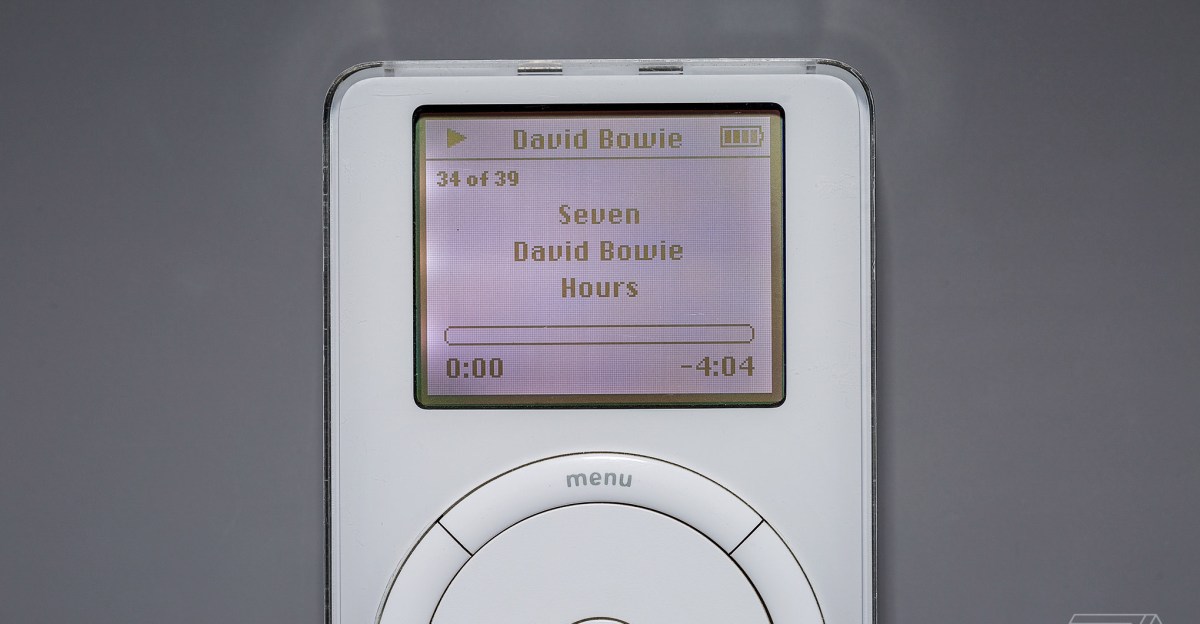
Apple’s iPod, released in November 2001, became the market leader, capturing over 70 percent of sales. By 2007, roughly 20 percent of Americans owned a personal media player. The industry peaked in 2008 with a valuation of $21,6 billion, but collapsed to $613 million by 2012 as smartphones and streaming services gained dominance.
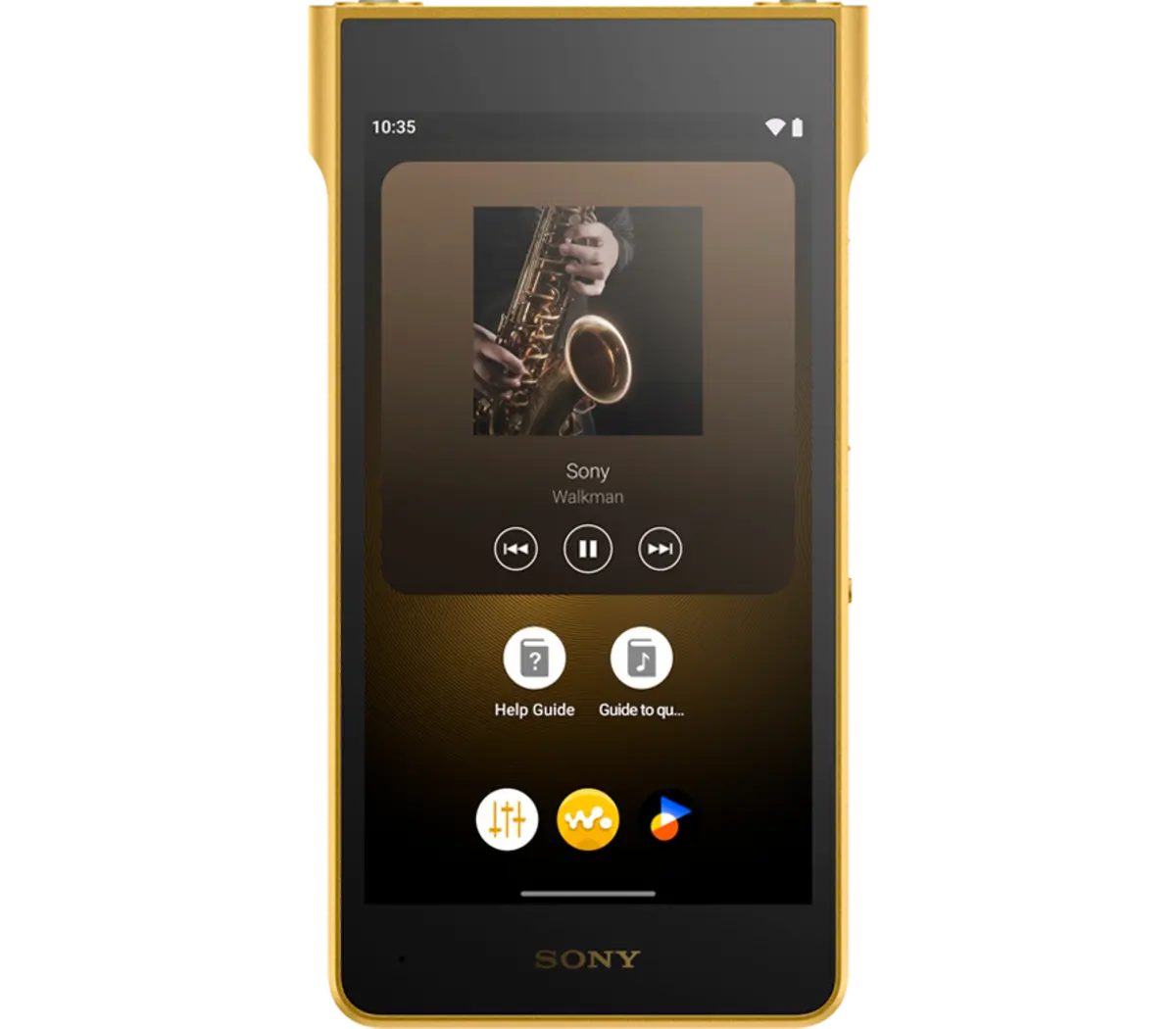
Today, the dedicated media player market is a niche segment. High-end devices from Sony and Astell & Kern can cost over $3 000, with Sony’s NW-A306 priced at $399,99. Meanwhile, vintage iPods have become popular for modding, with enthusiasts adding modern features like Bluetooth and USB-C to extend their utility.
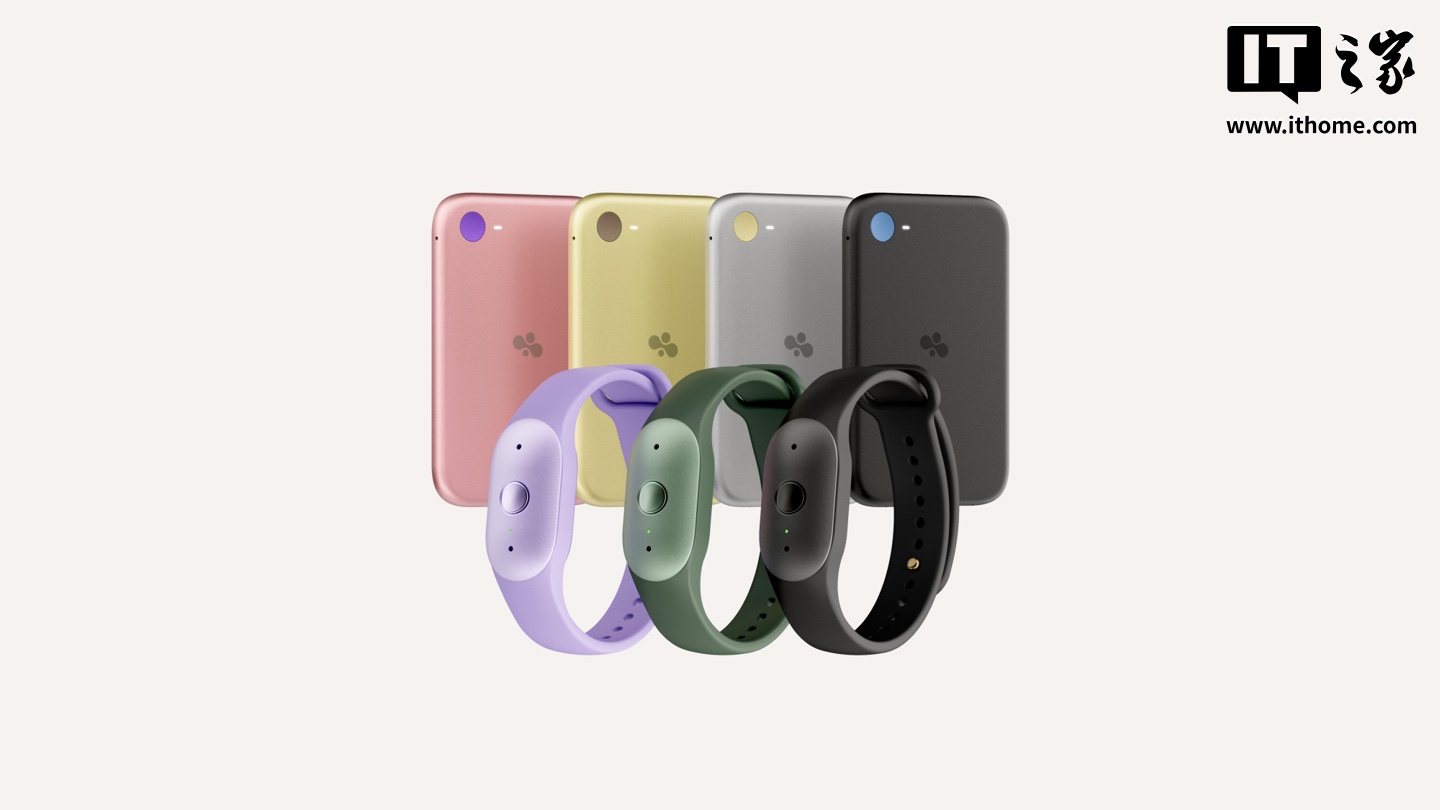
New startups are attempting to enter the market, such as Sleevenote, which focuses on visual album art and Wi-Fi syncing. Despite crowdfunding interest and a rise in search volume for MP3 players, no clear successor to the iPod has emerged. Current market estimates for portable audio players vary significantly, ranging from $1,2 million to over $180 million.