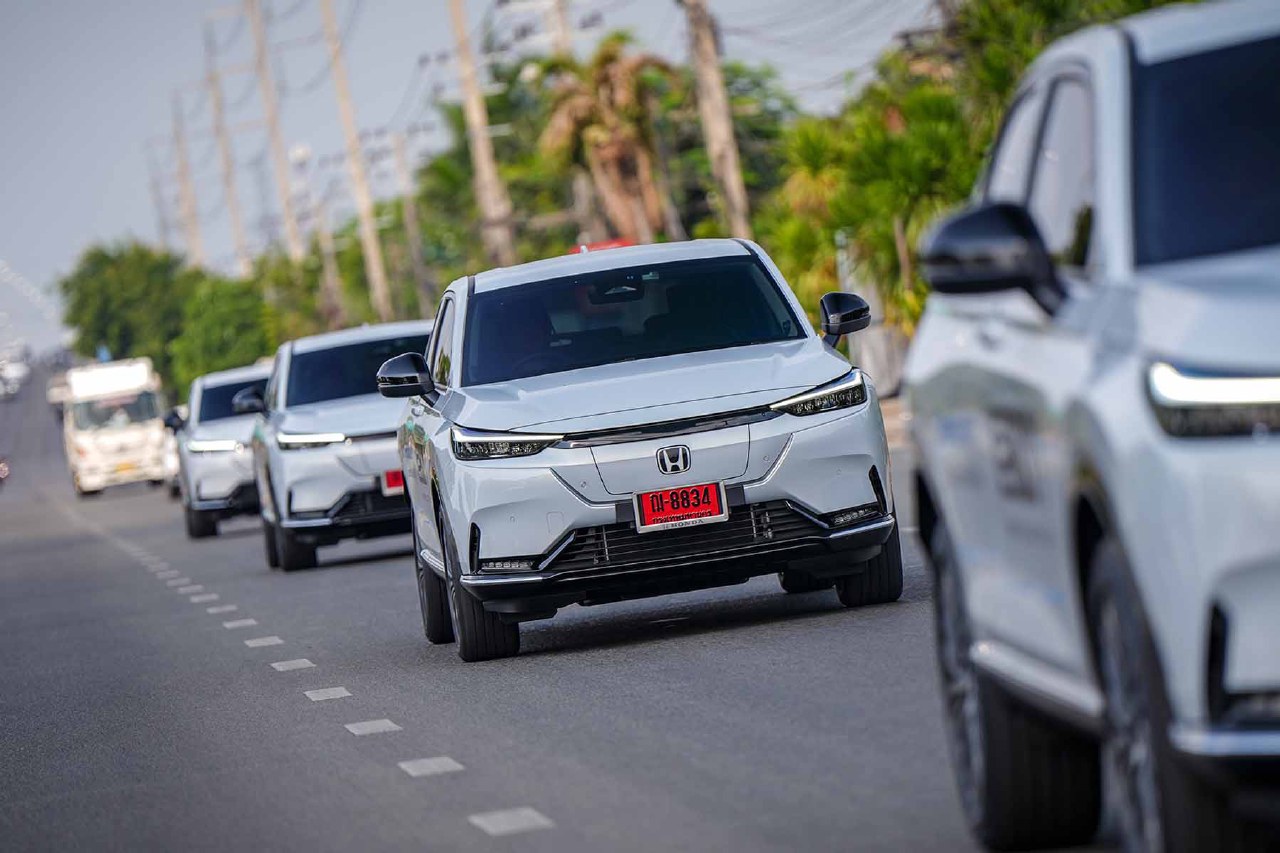
Starting January 1, 2027, Thailand will raise the consumption tax on imported electric vehicles to a flat rate of 35 percent. This change replaces the current tiered system, where battery-electric vehicles are taxed at 10 percent and range-extended models at 15 percent.
The new regulation applies to finished vehicles imported into the country that do not utilize locally manufactured components. The government intends to reduce reliance on imports, particularly from China, and push foreign manufacturers to build domestic production facilities.
The decision follows reports from industry associations regarding the competitive pressure on local automakers. Despite a surge in demand, where electrified vehicles reached 55 percent of new registrations in 2026, the growth primarily favored imported products.
The Ministry of Finance plans to offer special tax rates to companies that commit to local production or assembly of key components. This strategy aims to build on existing investments, which reached €4.1 billion across 189 projects by August 2026.
Thailand has previously secured over €3.5 billion in investments from companies including BYD, Changan, and Great Wall Motor. The government now seeks to shift from a consumer market to a production hub for electric vehicles.