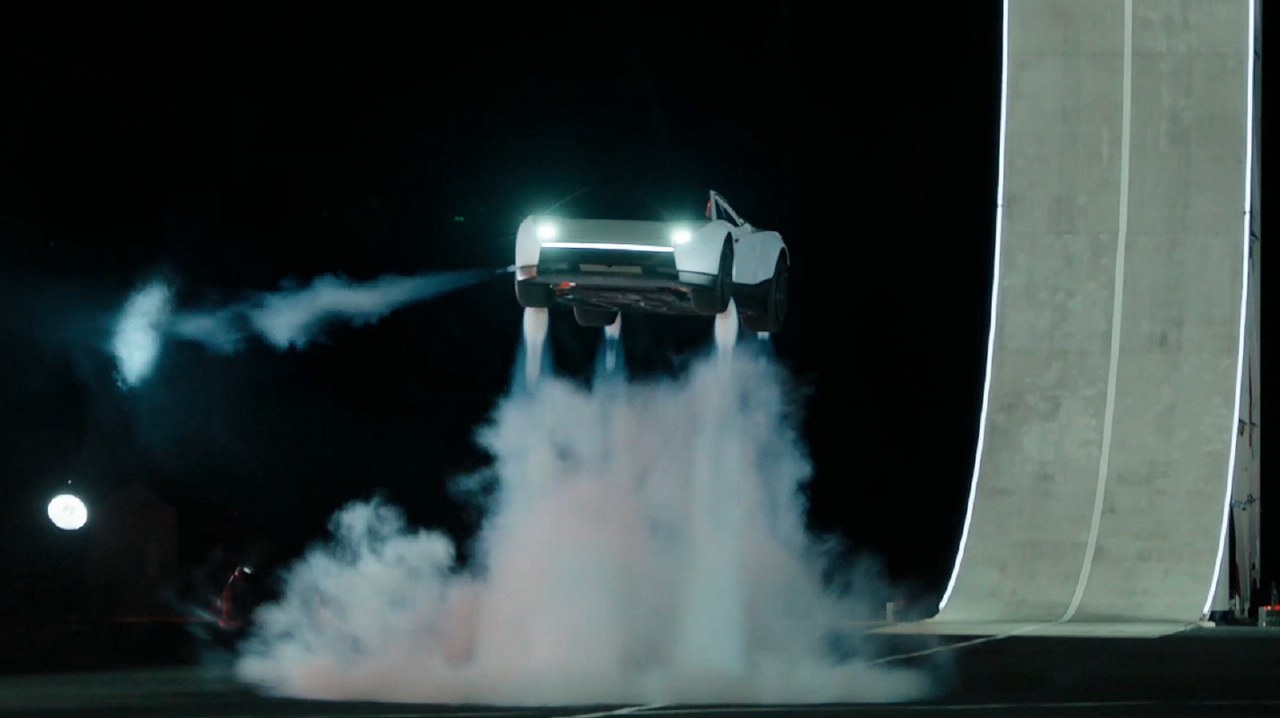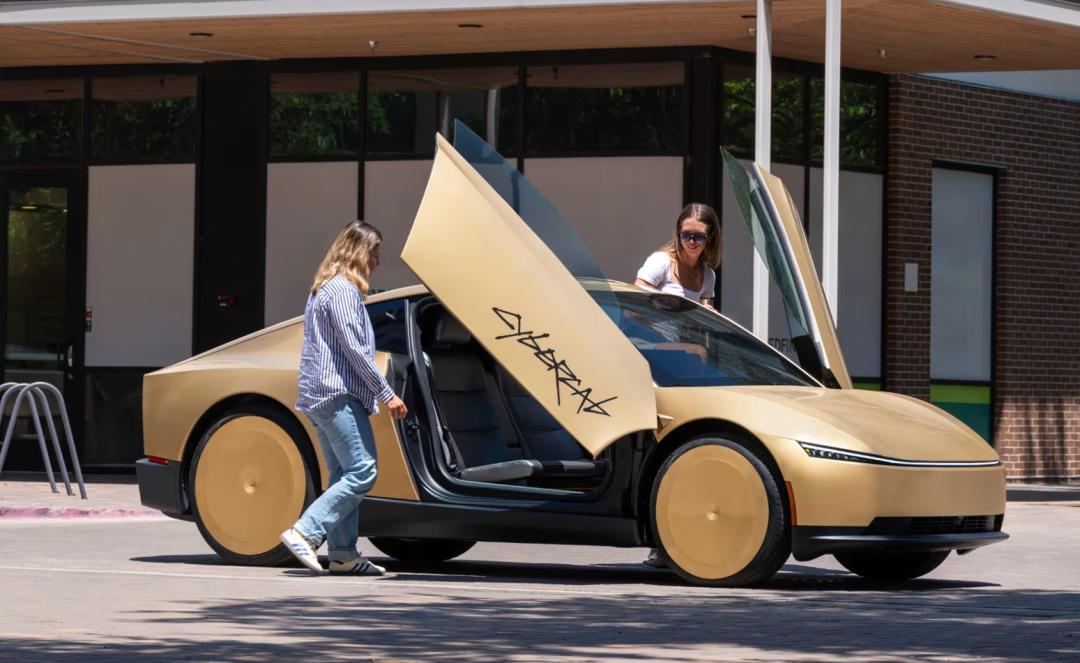
Tesla has showcased its Cybercab prototype, a vehicle designed without a steering wheel, pedals, or rearview mirrors. The car utilizes a reaction injection molding (RIM) process, which combines polyurethane pigment and plastic to form the exterior panels, eliminating the need for traditional paint.
The vehicle features a staggered wheel setup with 18-inch front and 21-inch rear wheels. Its design prioritizes aerodynamics, achieving a drag coefficient of less than 0.2. The rear track is narrower than the front to optimize airflow, and the roofline extends significantly toward the rear to reduce negative pressure zones.
Equipped with electric butterfly doors, the Cybercab lacks interior door handles, relying on automated controls. The cabin is designed for two passengers, featuring a 22-inch infotainment screen, which is the largest in the current Tesla lineup. For accessibility, the vehicle includes Braille on essential physical buttons.
The Cybercab is powered by a 163kW front-wheel-drive motor and a 47.6kWh battery. It achieves an energy consumption rate of 10.2kWh per 100km, resulting in a range exceeding 400km. Tesla intends to utilize wireless charging for the vehicle, though current prototypes still rely on traditional charging cables.