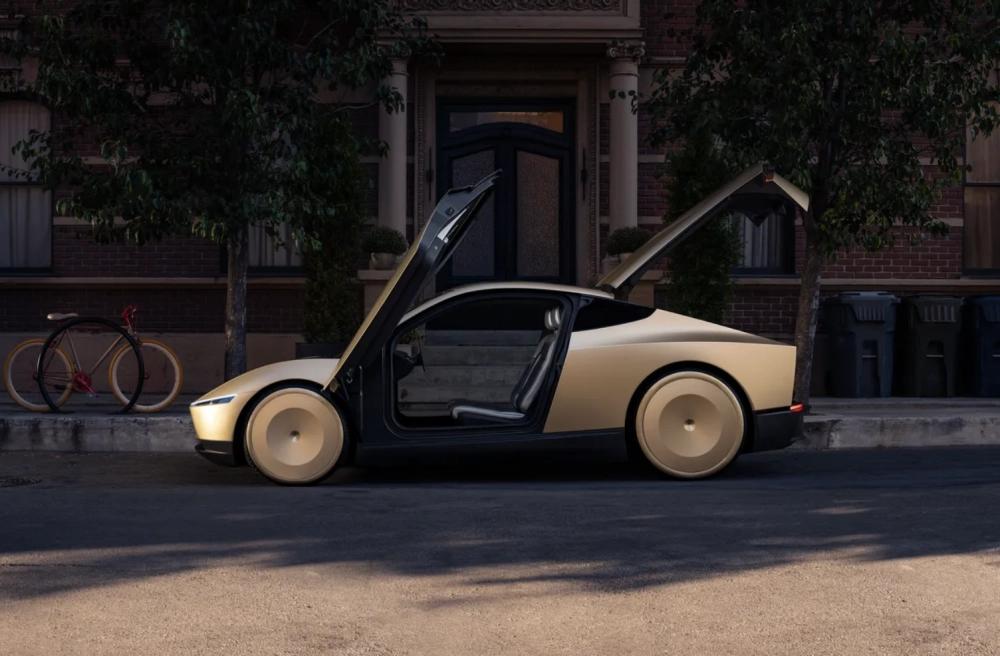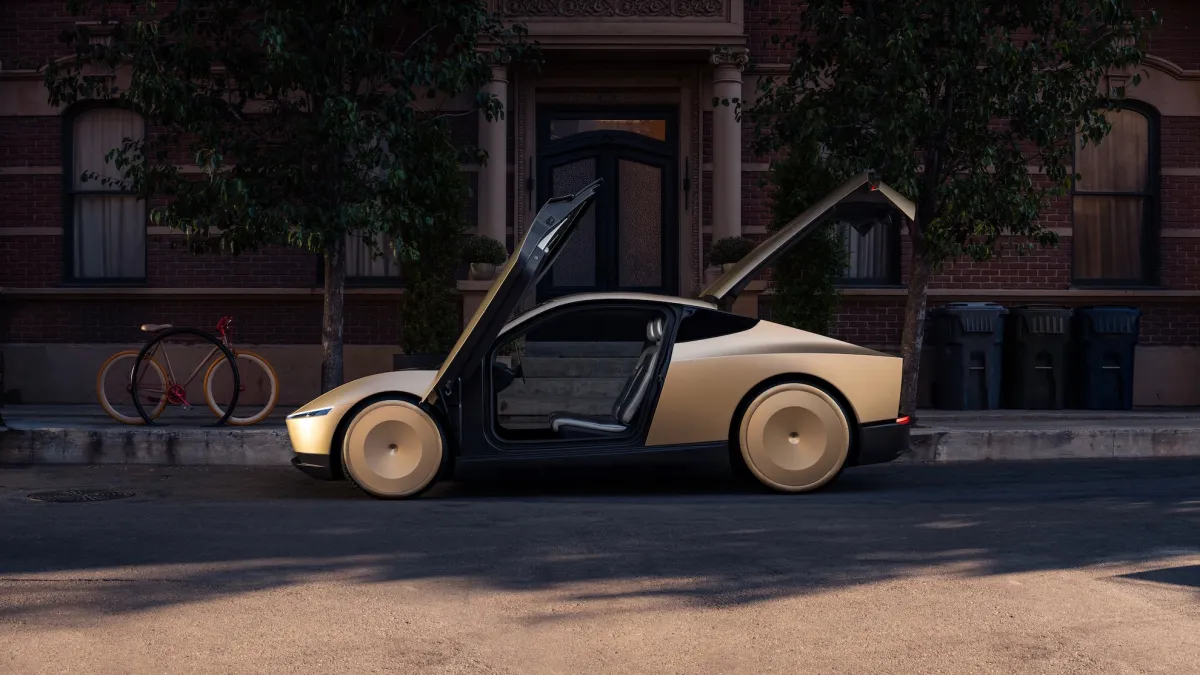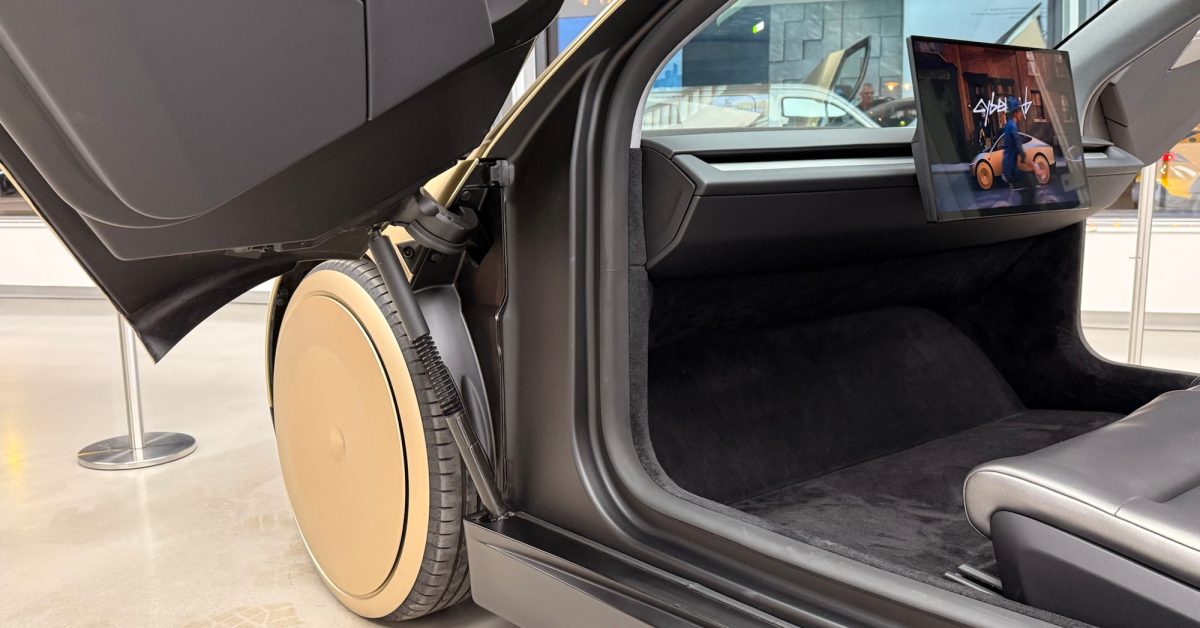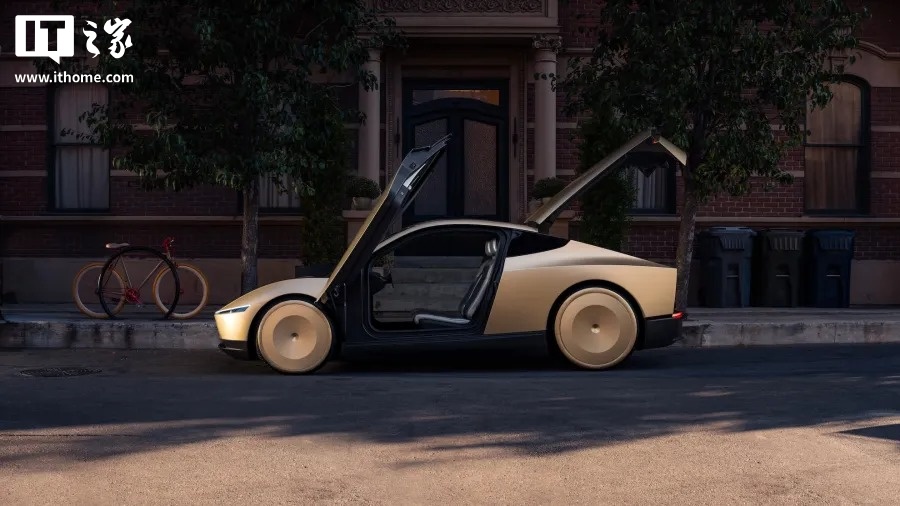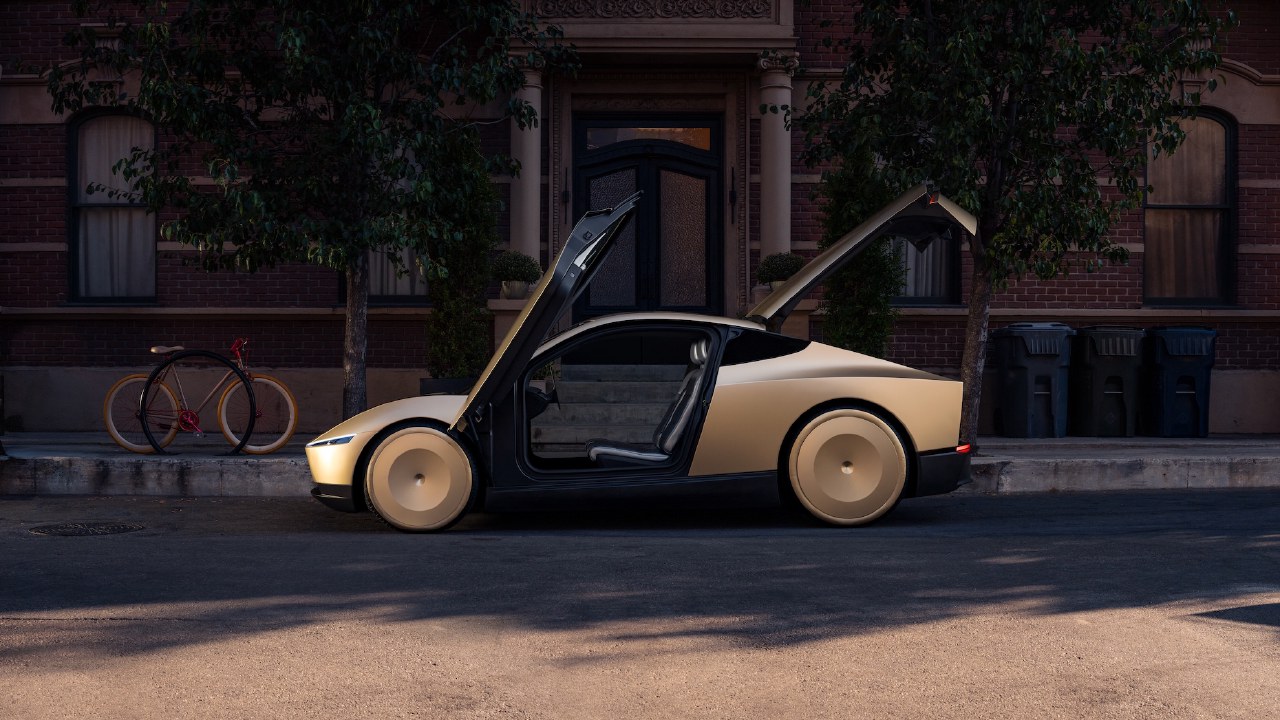
Tesla plans to begin sales of its Cybercab autonomous vehicle by the end of 2026. The vehicle, which lacks a steering wheel and pedals, is currently being produced primarily to expand the company's internal Robotaxi fleet. Tesla intends to start with small-scale deliveries to gain experience in ownership management and fleet operations before scaling up.
The company previously opened registration for parties interested in purchasing the Cybercab during its launch event in Austin. While Elon Musk has long envisioned a network of autonomous vehicles, current Tesla owners still rely on the 'Full Self-Driving (Supervised)' system. Musk stated that a version of the software requiring no driver supervision is expected to launch in the second quarter of next year.
The Cybercab features a two-seat layout and relies entirely on autonomous systems. Tesla aims to position the vehicle as a tool for ride-hailing services rather than a personal car. The project faces regulatory scrutiny, as the National Highway Traffic Safety Administration is investigating whether the design, which lacks traditional manual controls, complies with existing federal safety standards.
Tesla management identified securing regulatory approval as a top priority for the project. The company is working to ensure the vehicle meets legal requirements to facilitate large-scale deployment. The success of the Cybercab remains a central component of Tesla's transition toward becoming an artificial intelligence and robotics company.