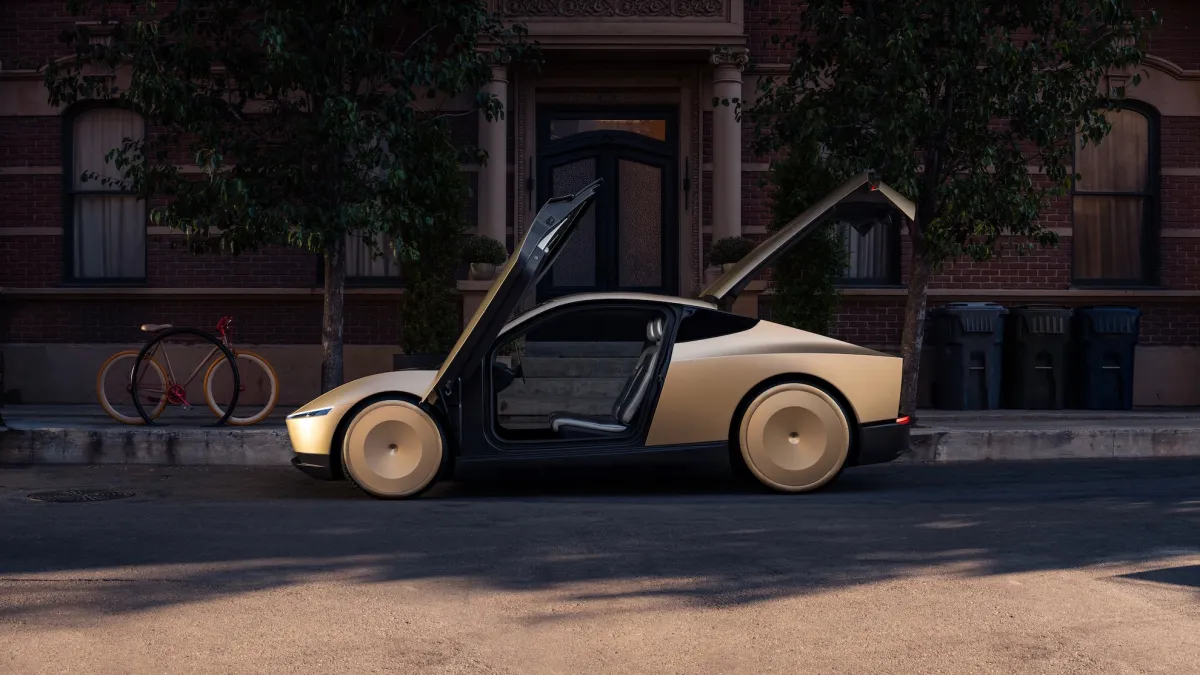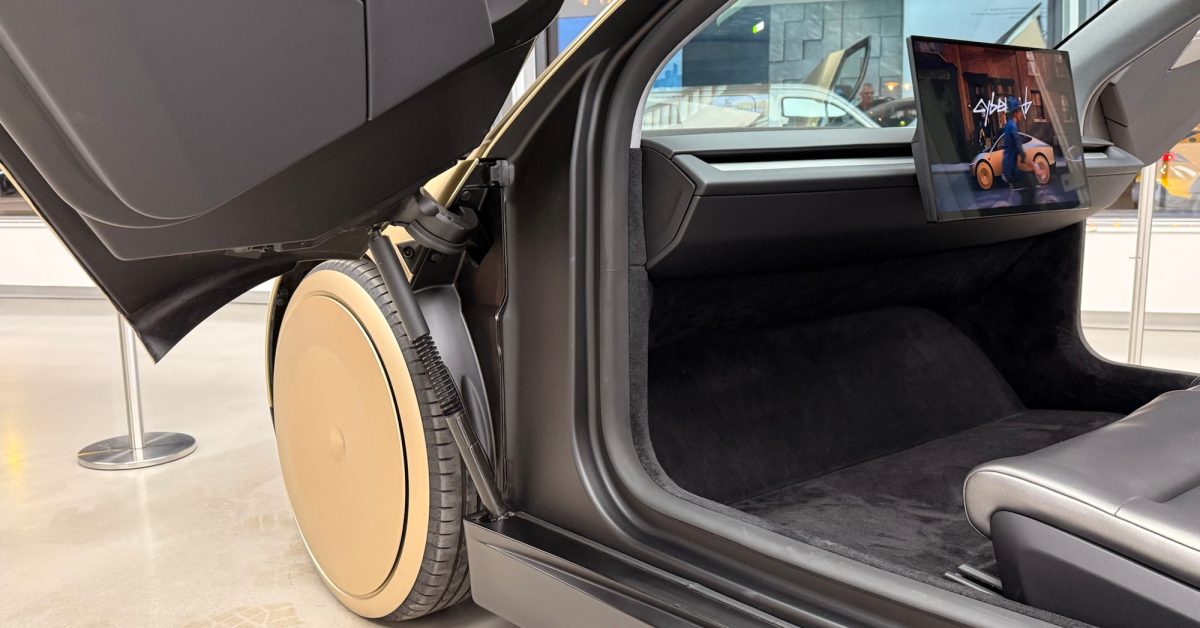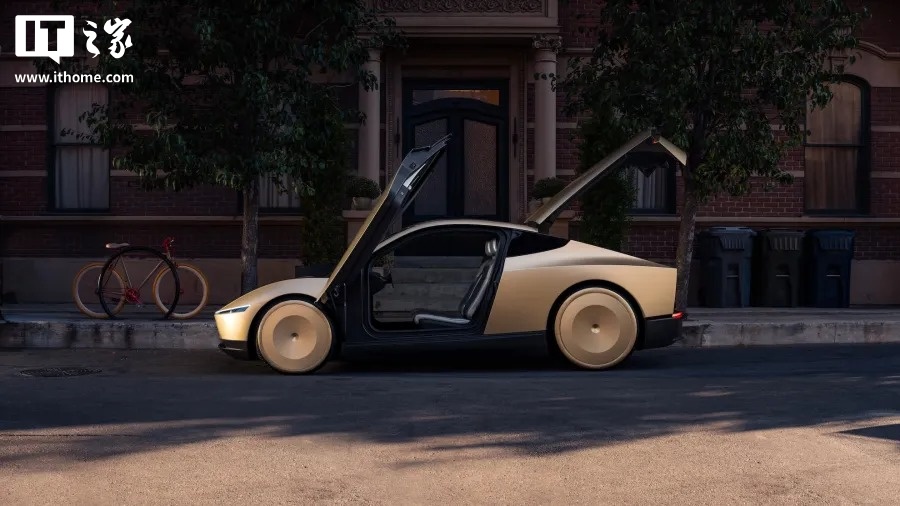
Tesla plans to begin selling its Cybercab autonomous vehicle to third-party customers by the end of this year. The vehicle is a two-seater design that lacks a steering wheel and traditional manual controls. Initially, production will be limited, with the majority of units reserved for Tesla's own ride-hailing fleet.
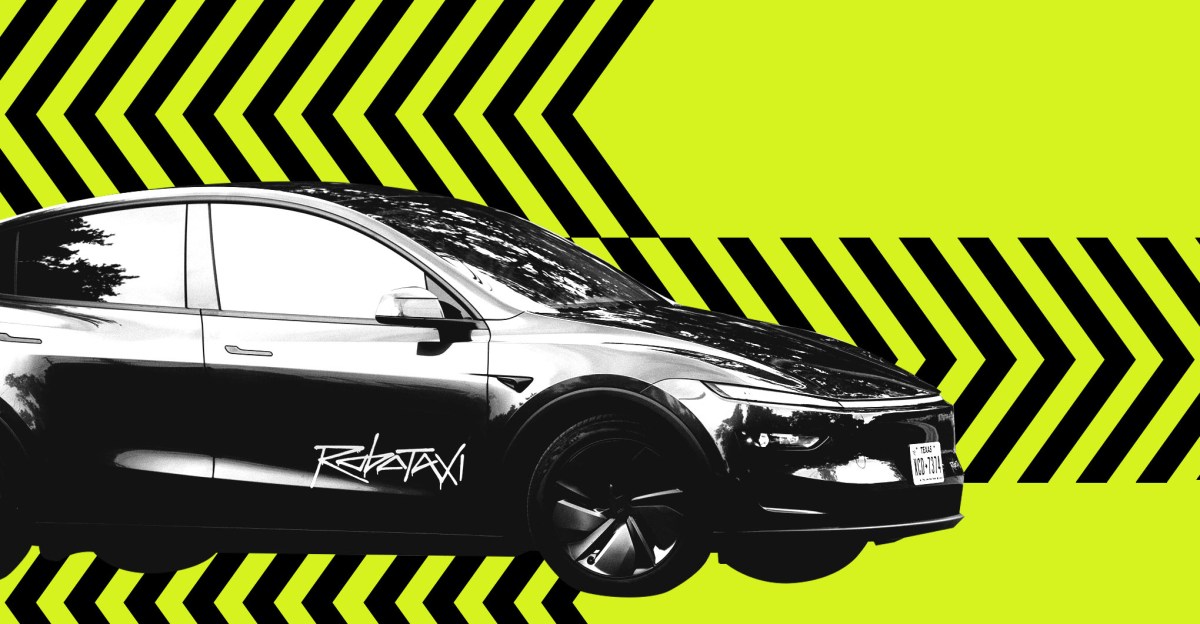
Lars Moravy, Tesla's Vice President of Vehicle Engineering, stated that the company will scale production as it gains experience with vehicle delivery, private ownership, and fleet operations. While Tesla previously focused on upgrading existing consumer cars to autonomous taxis via software, the company is now shifting its strategy toward dedicated autonomous hardware.
The rollout faces regulatory scrutiny from the U.S. National Highway Traffic Safety Administration (NHTSA). The agency is investigating whether the Cybercab complies with federal safety standards, which typically require manual controls like brake pedals and mirrors. Tesla currently self-certifies its vehicles, but the lack of traditional controls remains a point of contention.
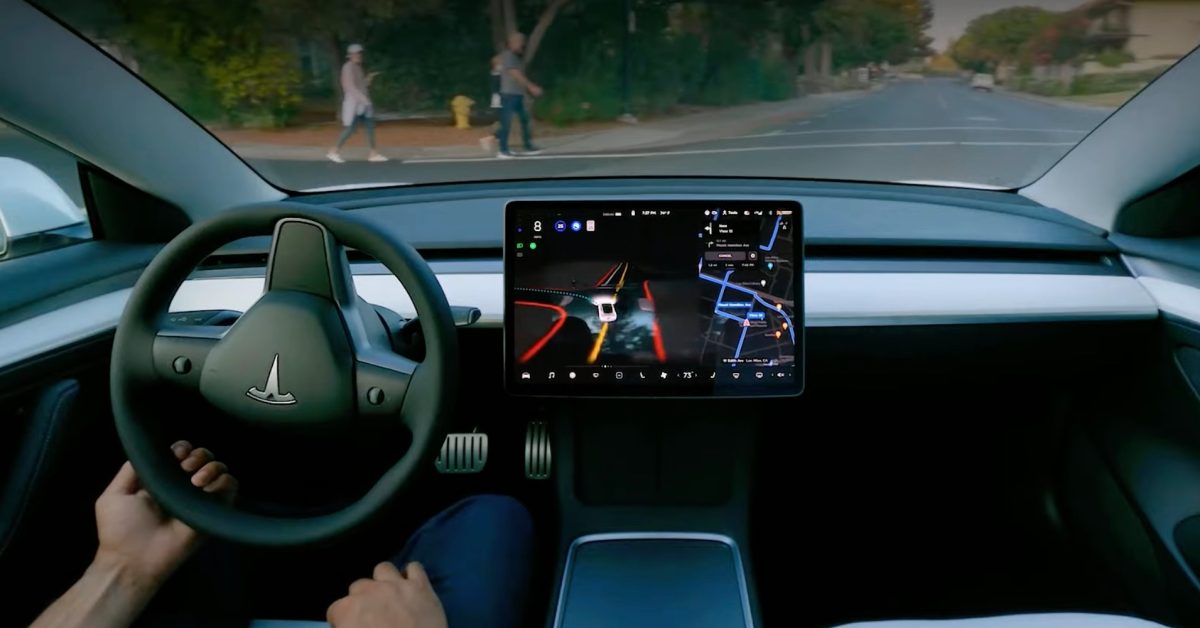
Meanwhile, the release of the unsupervised version of Tesla's Full Self-Driving (FSD) software for private owners has been delayed until the second quarter of next year. This means third-party fleet operators could potentially gain access to autonomous Cybercab services before individual Tesla owners receive full self-driving capabilities on their own vehicles.