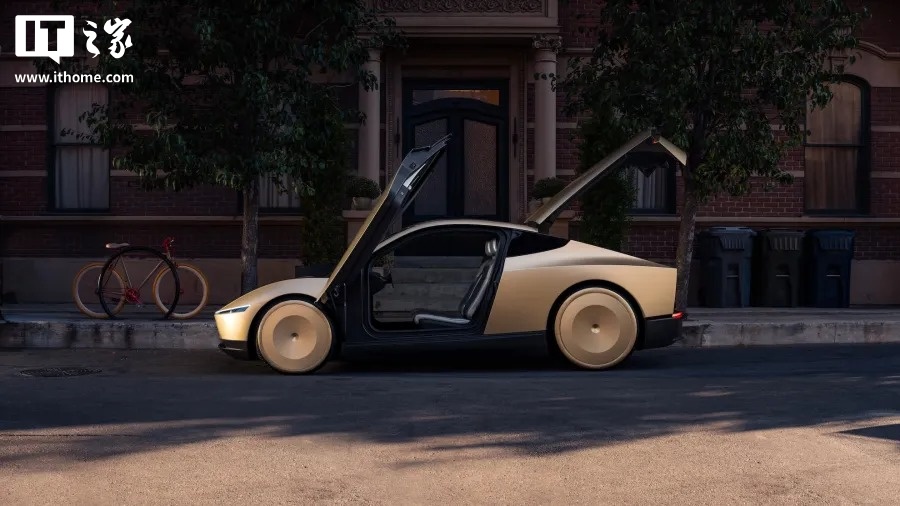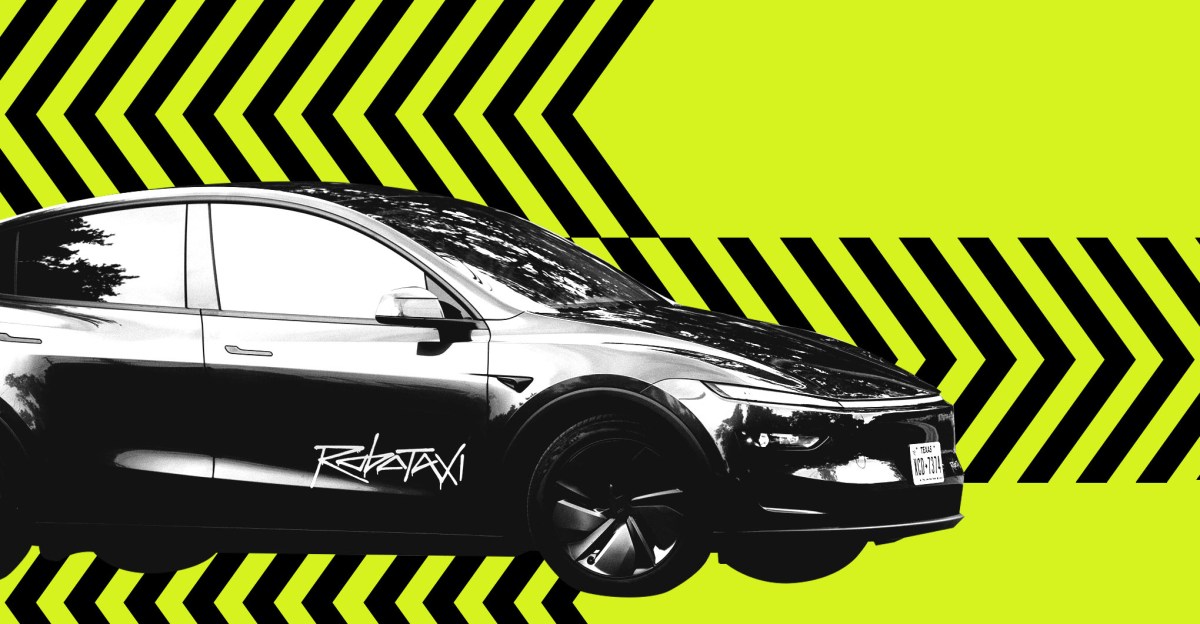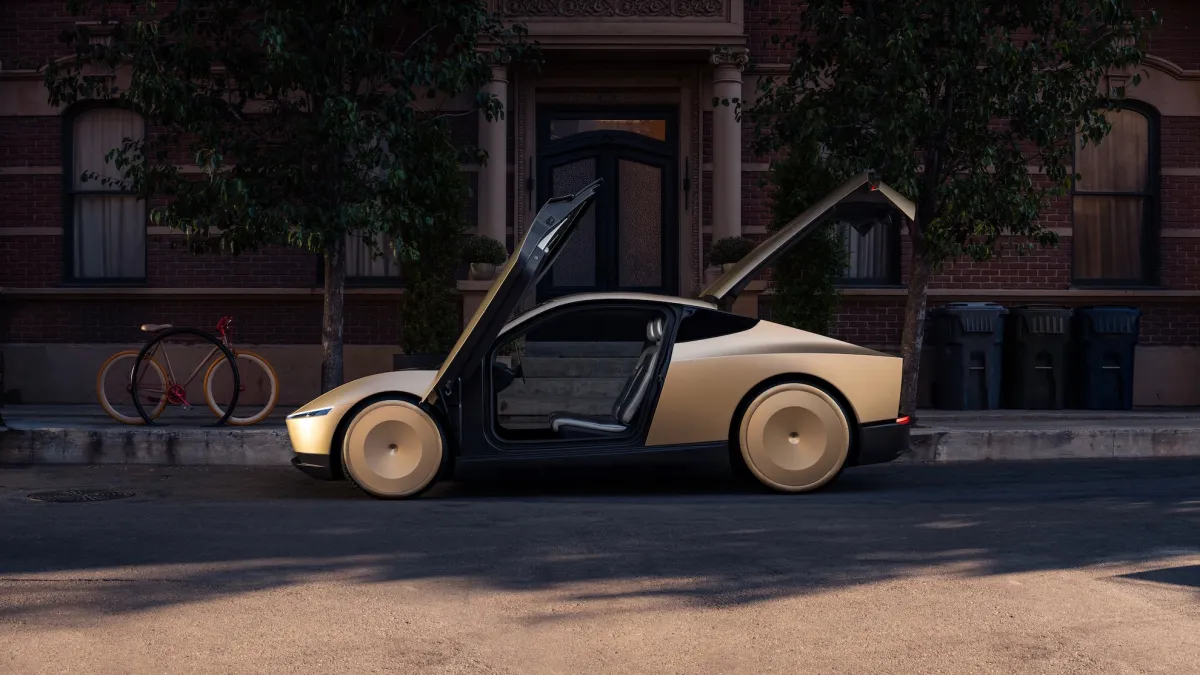
Tesla plans to begin selling its autonomous Cybercab model to customers by the end of 2026. According to Lars Moravy, the company's vice president of engineering, initial production units are currently allocated for Tesla's own robotaxi fleet, with plans to scale deliveries to third-party customers over time.
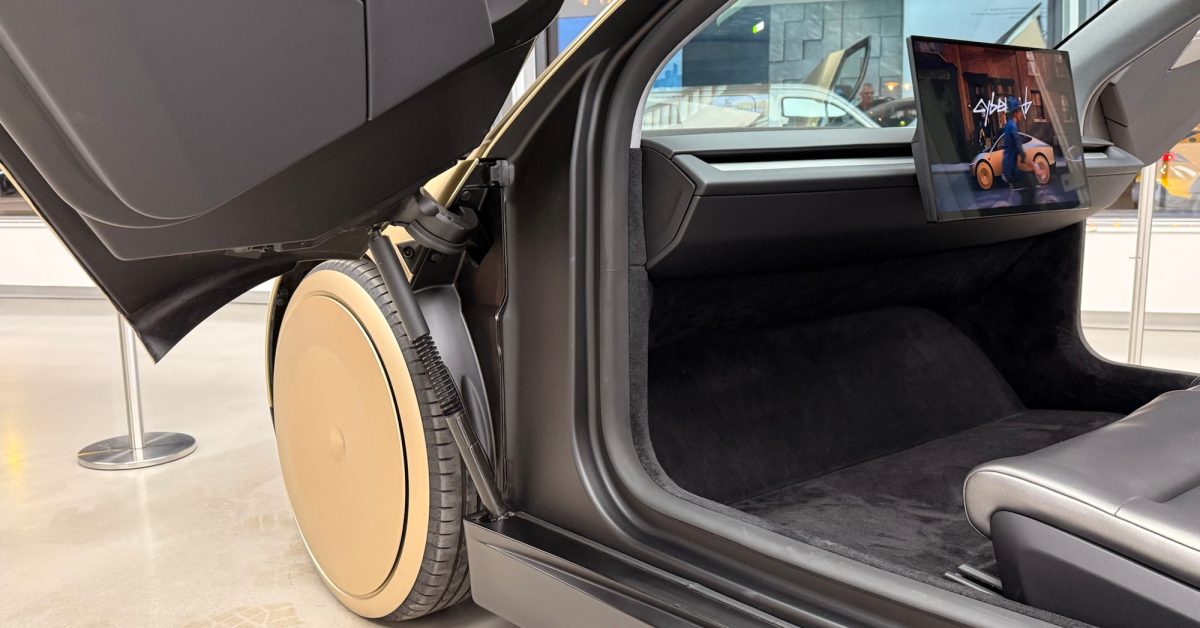
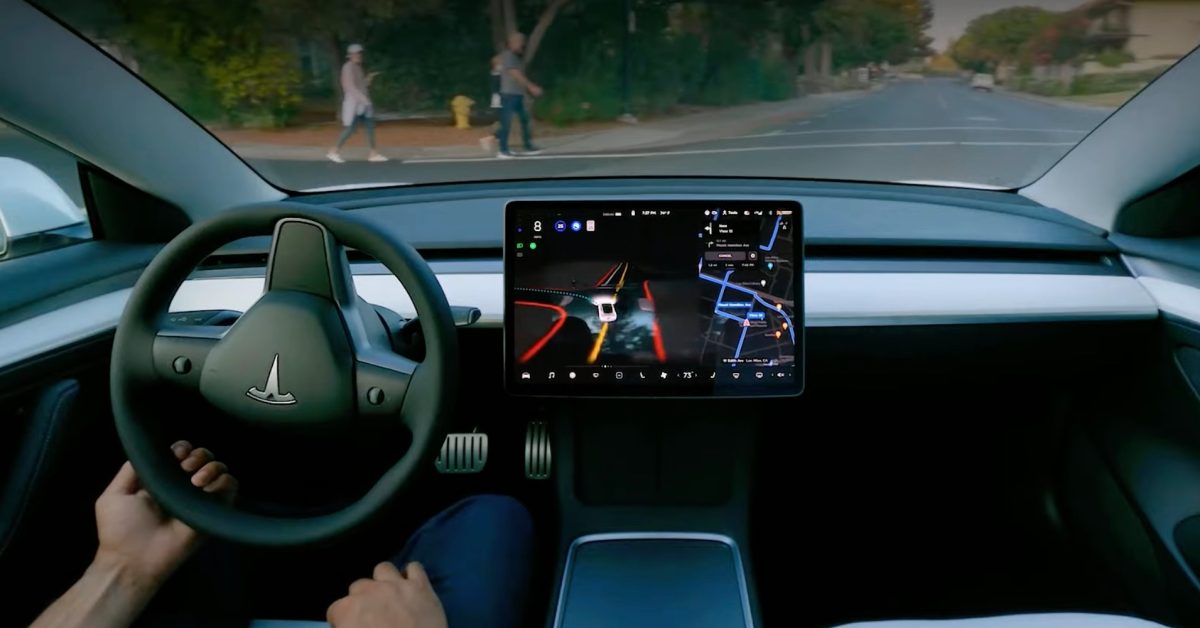
The Cybercab is a two-seater vehicle designed without a steering wheel or traditional manual controls. Elon Musk stated that the vehicle is primarily intended for transport-as-a-service operations, distinguishing it from consumer models like the Model 3, Model Y, and Roadster, which remain focused on private ownership.
The rollout faces regulatory scrutiny from the National Highway Traffic Safety Administration. The agency is investigating whether the vehicle complies with Federal Motor Vehicle Safety Standards, which typically mandate manual controls such as brake pedals and mirrors. Tesla self-certified the vehicle, but the investigation will examine the technical data behind this process.
The outcome of the federal investigation remains a critical factor for the legal operation of the Cybercab. While the Department of Transportation has proposed removing requirements for manual controls in autonomous vehicles, current regulations still present a hurdle for the deployment of the fleet.