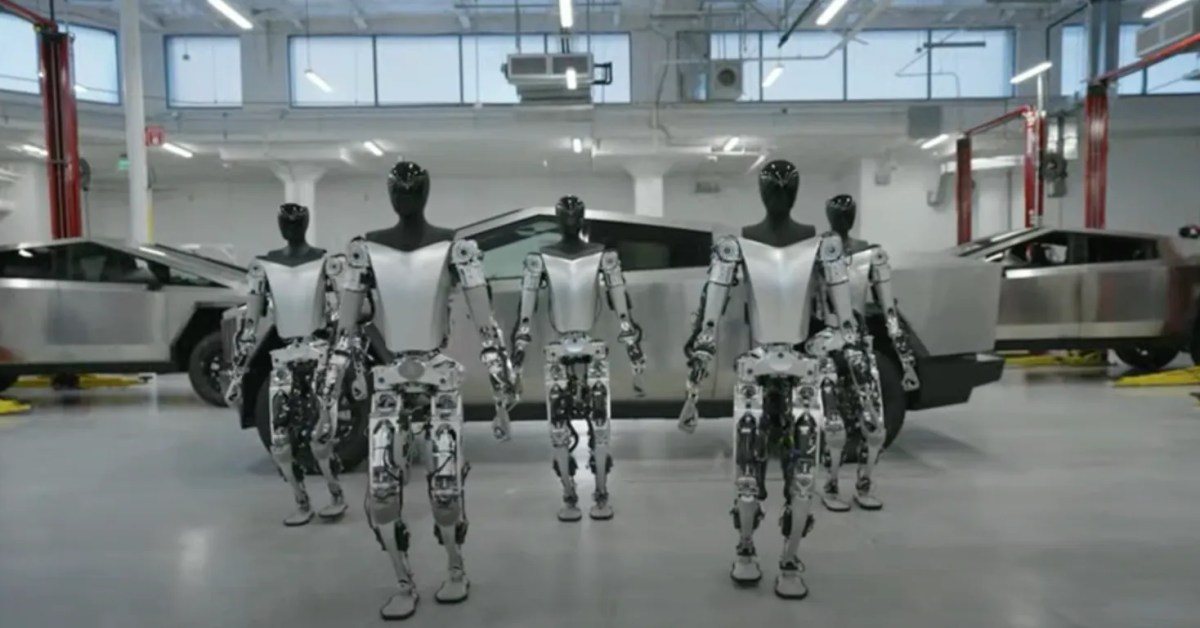
Tesla has increased the production of its Optimus humanoid robots to several hundred units per week at its Fremont facility, marking a tenfold rise from the second quarter. The company aims to reach a production capacity of over 1,000 robots weekly by the end of this year, with a long-term target of 20,000 units per week.
The production line for Optimus now occupies the space previously used for the Model S and Model X, which saw production end in May. Despite the increased output, the robots currently lack the ability to perform generalized tasks and are primarily used for internal testing, training, and data collection within controlled factory environments.
Technical challenges persist, particularly regarding the robot's hands, which contain over 100 components and require manual assembly. Issues with part alignment, sensor reliability, and supply chain quality have led to a high need for rework. Tesla is currently developing a replaceable sensing glove to address durability concerns.
The company is focused on improving the robot's AI, utilizing over 500,000 hours of training data with plans to double this figure by year-end. Tesla has established training hubs in Colorado, Arizona, and Florida, and intends to lease the robots to select companies rather than selling them, following a strategy similar to its Full Self-Driving software deployment.