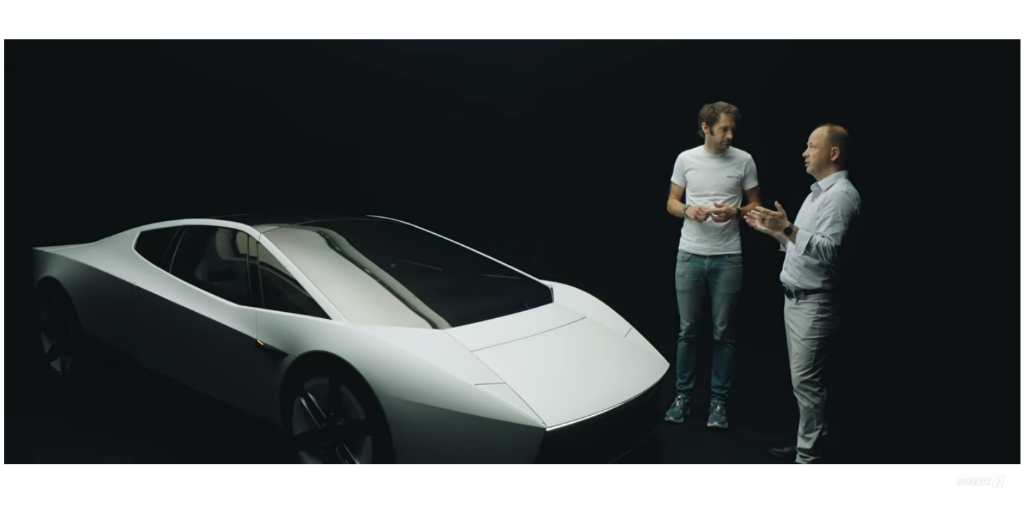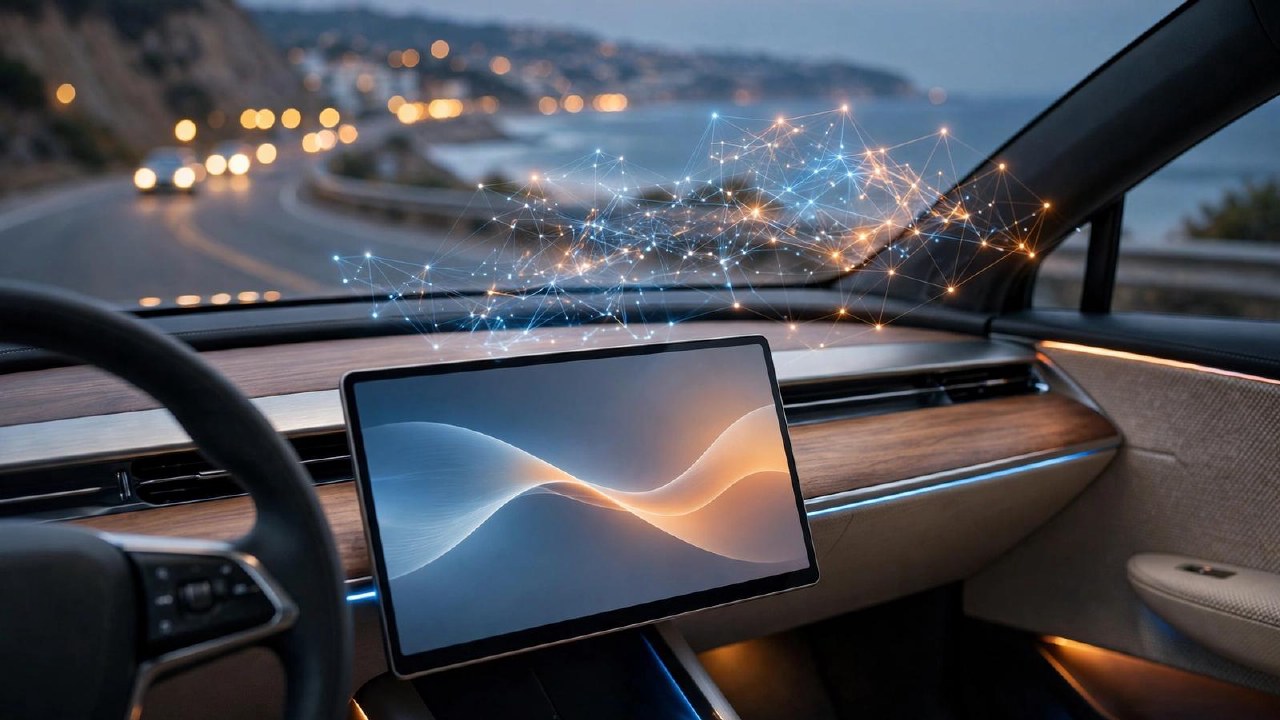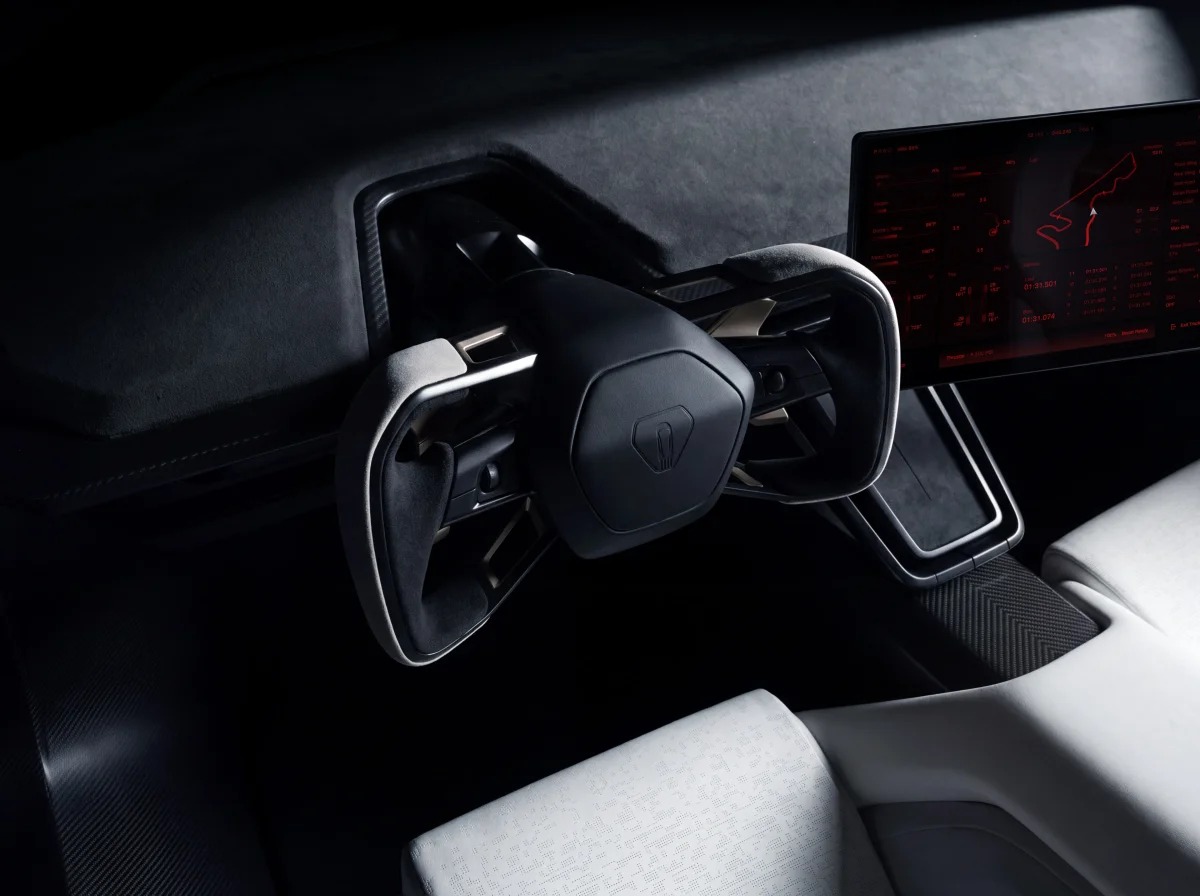
Tesla's new Roadster model will feature a limited version of the Full Self-Driving (FSD) system. Franz von Holzhausen, Tesla's chief designer, confirmed that while the vehicle is equipped with the necessary camera suite and hardware, it will not support the full suite of FSD features available in other Tesla models.
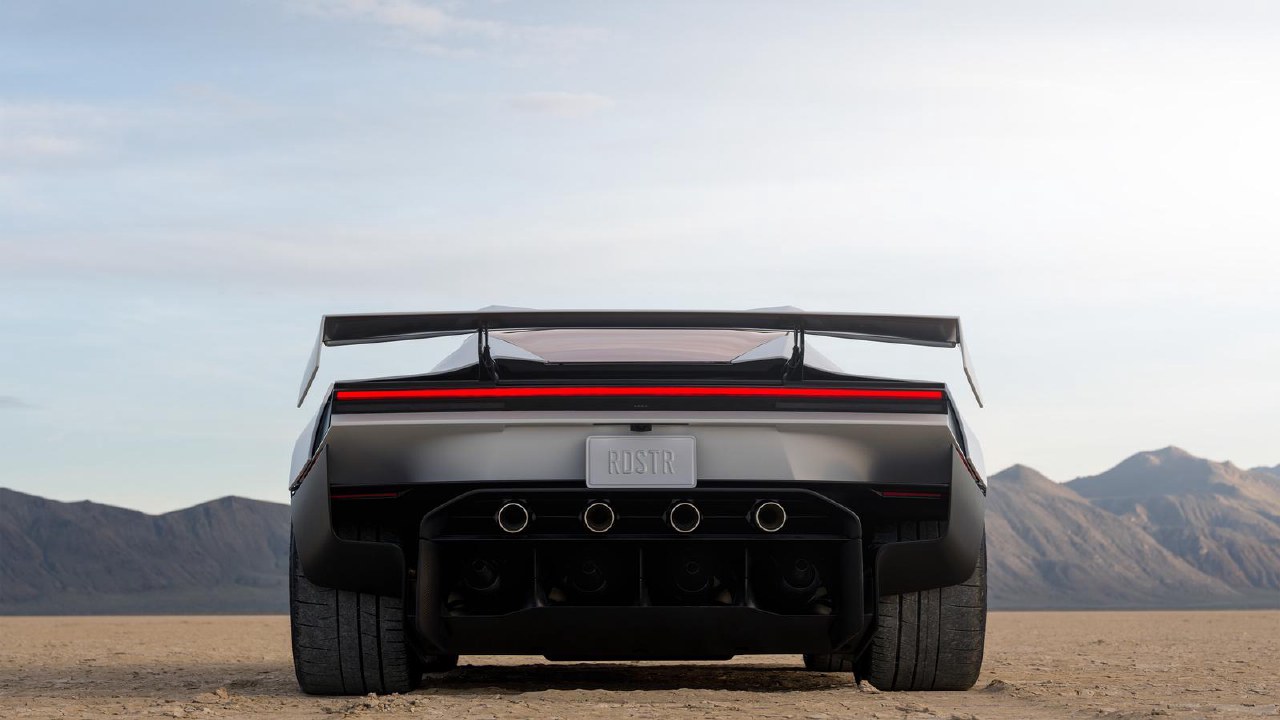
The limitations stem from the vehicle's unique design, including its steeply raked windshield, low-profile wedge shape, and active aerodynamic components like thrusters and fans. These features create operating conditions that the current FSD software has not been trained to handle, making full integration impractical.
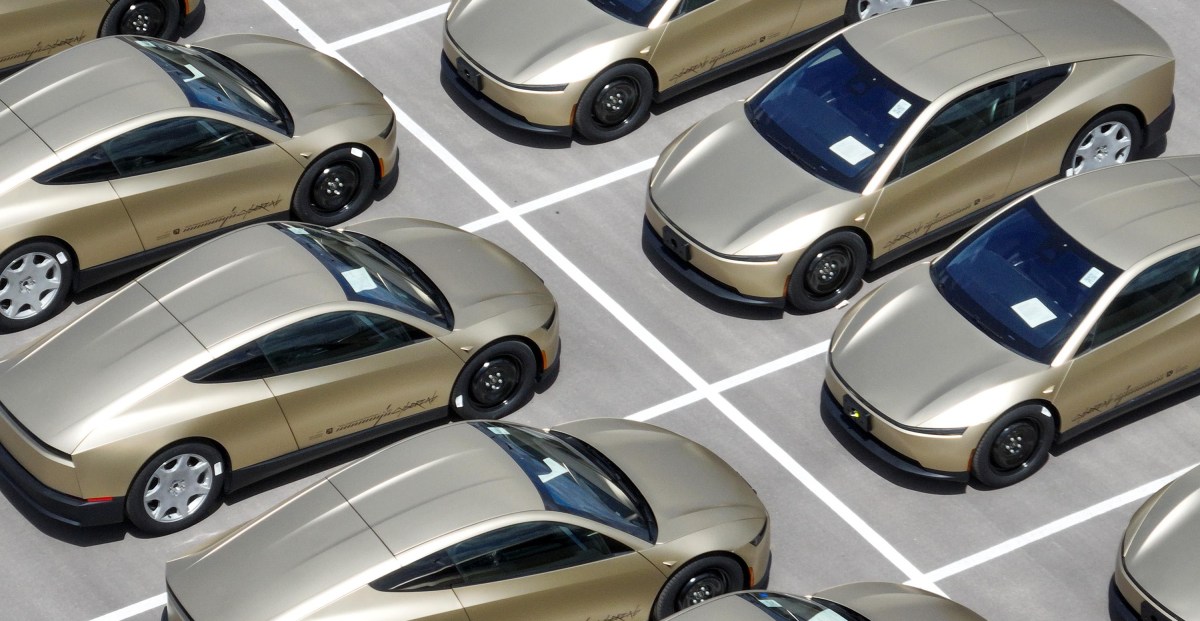
Production volume is another key factor. Analysts estimate that annual production will reach approximately 2,000 units starting in 2028. Given this low volume, developing and training a dedicated FSD system specifically for the Roadster is not considered a viable investment for the company.
Despite these software restrictions, the vehicle retains some autonomous capabilities. During its debut, the car performed complex stunts autonomously, such as hovering and flips. Elon Musk noted that the car will possess perception capabilities and allow owners to trigger these stunts, though this system is likely distinct from standard FSD.
The Roadster is positioned primarily as a driver-focused vehicle. It features steer-by-wire, brake-by-wire, and throttle-by-wire systems. Musk has indicated that the Roadster is intended to be the only Tesla model that prioritizes manual control, aligning with its core identity as a performance-oriented car.