Nevada became the first state to legalize self-driving cars on public roads in June 2011, driven by lobbying from Google. This occurred years before the launch of Tesla Autopilot, the spin-off of Waymo, or the first commercial robotaxi service in Arizona.
With federal safety standards for autonomous vehicles stalled in Congress, local municipalities are creating their own regulations. Cities are using their authority over street operations to manage robotaxi rollouts, resulting in a fragmented landscape of local rules.
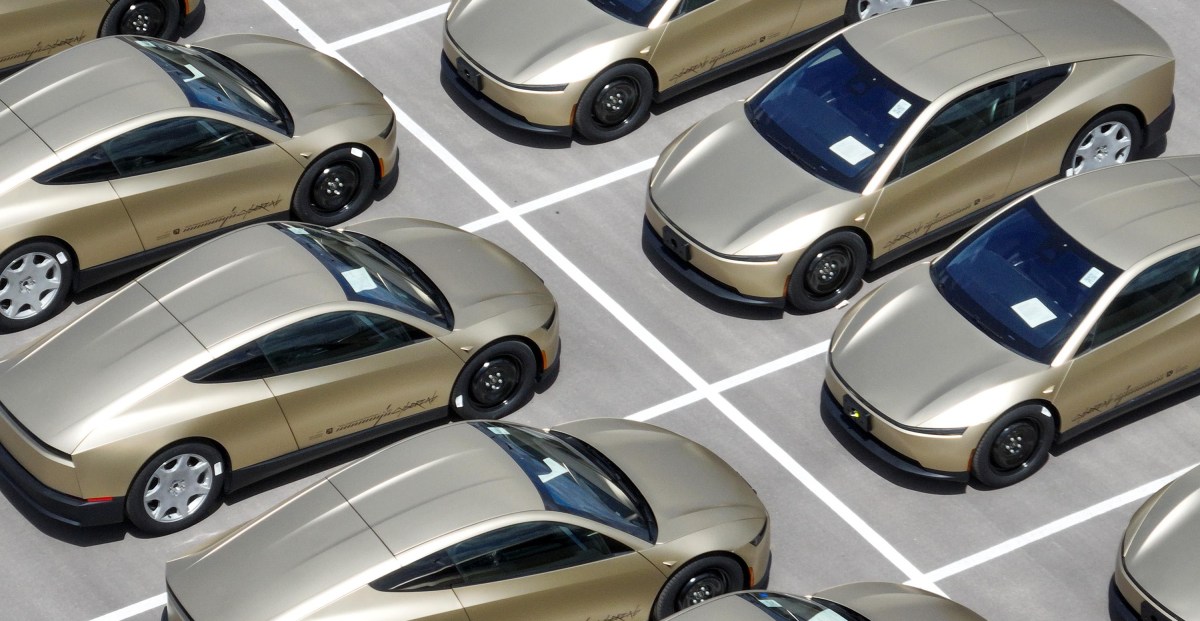
Specific local actions include Minneapolis considering a requirement for human monitors, while San Diego is seeking to restrict Waymo access to airports. In Austin, firefighters are calling for mandatory towing protocols and direct communication channels for emergency situations involving vehicles like the Tesla Cybercab.
Regulatory pressure is increasing across both Democratic and Republican-led regions. States such as Kentucky, Oklahoma, South Dakota, and Iowa are exploring stricter oversight, while California lawmakers are considering bills to allow cities to limit fleet sizes and operating hours.
To mitigate regulatory hurdles, companies like Waymo, Uber, and Zoox are expanding into international markets including London, Tokyo, Munich, and Dubai. Domestically, firms are prioritizing states with legislative preemption that prevents cities from banning the technology entirely.
Industry lobbying remains significant, with Uber and Waymo spending over $15 million in New York. Meanwhile, Tesla has provided emergency training to Austin responders and rebranded its software to Assisted Driving to meet European Union regulatory requirements.