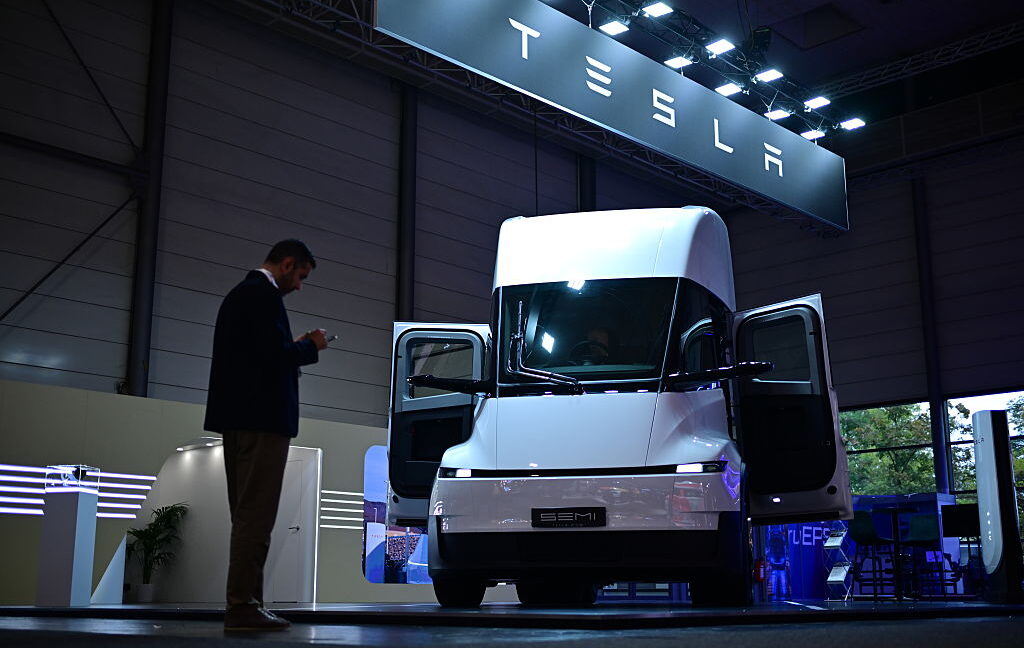
Tesla has officially launched high-volume production of its Semi electric truck. The vehicle is available in two configurations: a long-range model with an estimated 500 miles per charge and a standard version offering 325 miles per charge. Competitor electric trucks currently offer ranges between 155 and 430 miles.
A coalition of shippers, including Microsoft and PepsiCo, has placed an order for 2 500 Tesla Semis. Deliveries are scheduled to begin this year and continue over the next 18 months. This order is expected to nearly double the total number of heavy-duty electric trucks currently operating on US roads.
Infrastructure remains a significant hurdle for the adoption of electric trucks. Tesla currently operates two public megawatt chargers in the Los Angeles area, with plans to open 30 such stations by the end of the year. These specialized chargers are required to replenish large batteries within a few hours.
The market for electric trucks faces economic and regulatory challenges. The current administration has reduced federal support for electric vehicles by billions and is working to lower fuel economy standards. However, rising diesel prices, which have nearly doubled compared to last year, have increased the economic appeal of electric alternatives.
Tesla's Full Self-Driving (Supervised) feature is not yet available for the Semi, though the company expects to introduce it in the near future. While the recent order favored Tesla based on price, performance, and service support, carriers may also consider electric truck options from manufacturers such as Kenworth, Ride, and Volvo.