Tesla is currently facing significant hurdles in reaching its target production rate of 20,000 Optimus robots per week. According to reports, the company's output last month was limited to only a few hundred units weekly.
The company previously repurposed manufacturing lines originally intended for Model S and Model X electric vehicles to accommodate robot production. However, this strategy has led to technical difficulties, particularly regarding the precise assembly of smaller components compared to automotive parts.
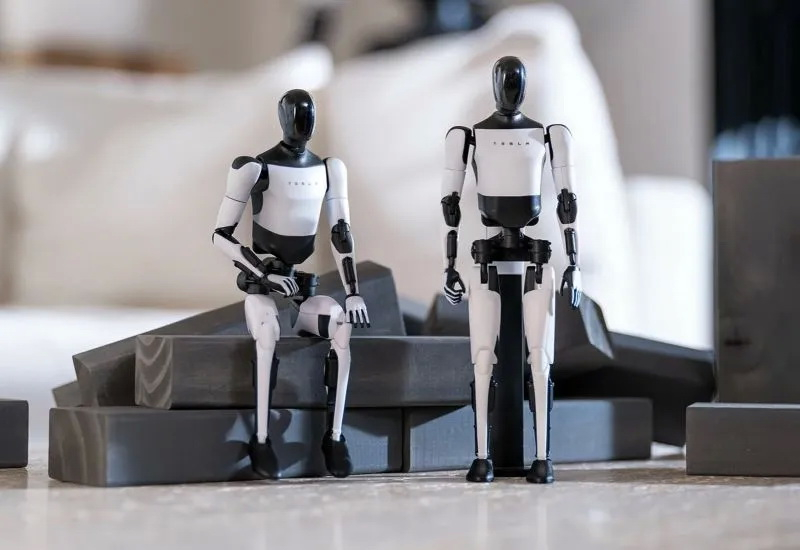
The current V3 version of the Optimus robot features complex hands and forearms that require the manual assembly of over 100 screws and small parts. While these units are lighter and include more cameras than previous iterations, they still lack the durability-enhancing sensor glove currently under development.
At present, Tesla utilizes these robots exclusively for internal tasks within controlled environments. The company intends to implement a rental model for the robots rather than direct sales, aiming to leverage data collection to refine the technology before a wider commercial release.