

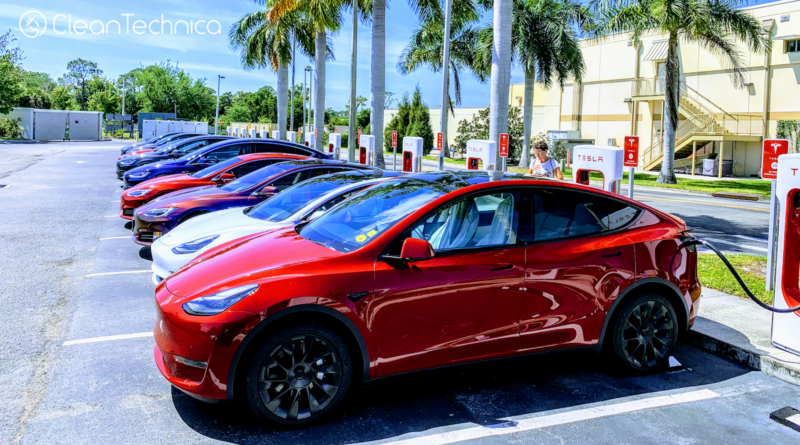
Tesla has enabled vehicle-to-home (V2H) bidirectional charging for Model 3 and Model Y vehicles manufactured in the US on or after October 1, 2026. Some vehicles produced as early as April 2026 may also support this feature if they were equipped with the necessary hardware during production.
The V2H functionality requires new power electronics, meaning it cannot be added to older vehicles via software updates. To utilize the system, owners must have a Powerwall 3 residential storage battery and a Wall Connector. The system provides up to 11.5 kW of backup power, capable of sustaining a home for approximately two days based on 30 kWh daily usage.
The European Union has concluded the four-year EV4EU study on vehicle-to-grid (V2G) technologies. The project tested bidirectional charging and virtual power plant management across four countries. In Portugal, the program achieved a 14 percent reduction in household charging costs and a 22 percent increase in renewable energy integration.
The EV4EU study validated the importance of dynamic pricing and flexible capacity contracts. Researchers concluded that bidirectional charging requires coordinated communication, appropriate market models, and control algorithms to manage battery health and meet driver mobility requirements.



