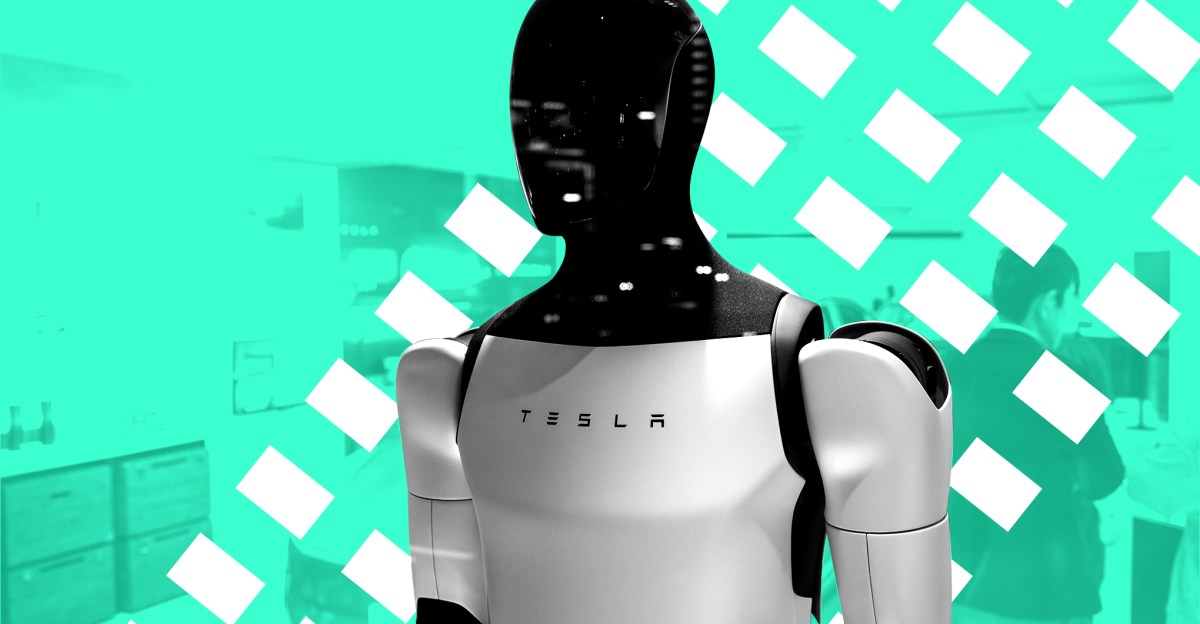
Tesla is currently facing significant hurdles in scaling the production of its Optimus humanoid robot. While the company set a target of 20,000 units per week, recent reports indicate that output reached only several hundred robots weekly last month. This production volume follows the repurposing of existing Model S and Model X assembly lines for the robotics project earlier this year.
Manufacturing difficulties stem from the high precision required for Optimus components, which are smaller and more complex than automotive parts. The current V3 model features hands and forearms containing over 100 screws and small parts that still require manual assembly by workers. Engineers are also developing a new sensing glove designed to improve durability by allowing for easier replacement of touch sensors.
Despite Elon Musk labeling Optimus as the company's most significant product, the robots are currently limited to internal use for specific tasks. Tesla reportedly plans to lease the units rather than sell them outright, aiming to leverage collected training data to refine the technology. Meanwhile, the broader industry is seeing a shift toward less lifelike designs, and Chinese regulators have recently begun restricting IPOs for humanoid robotics firms.