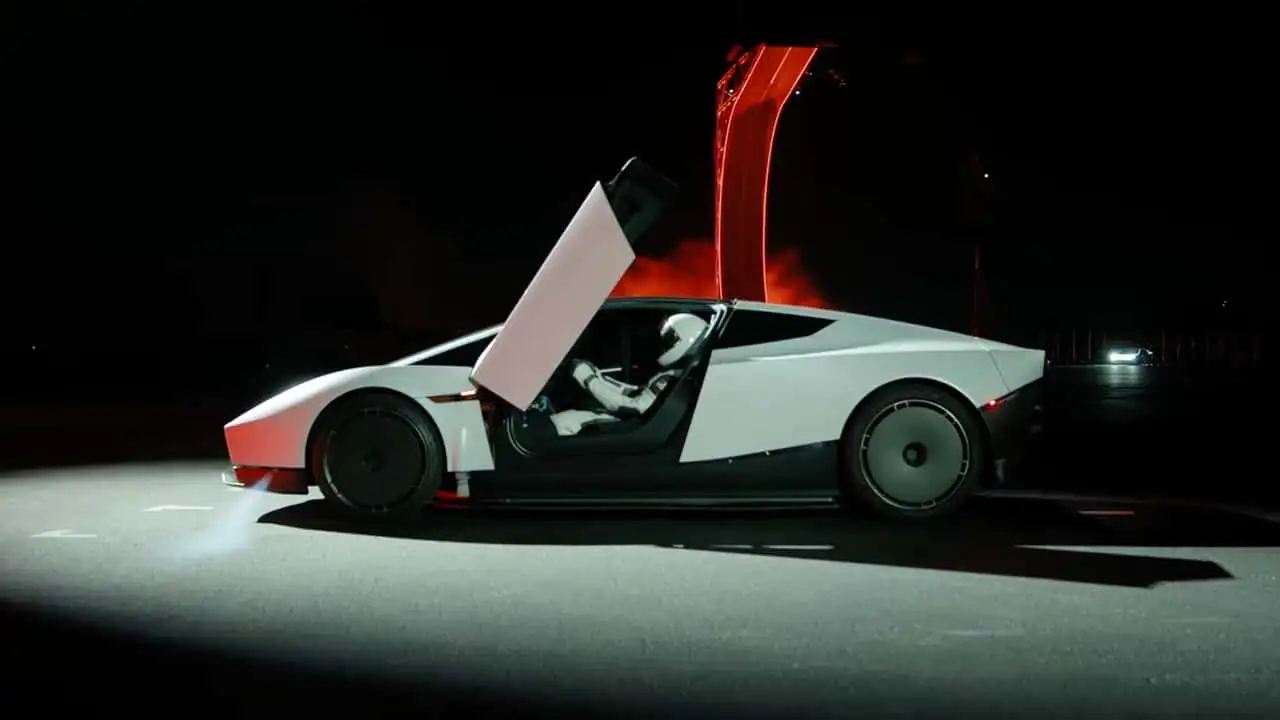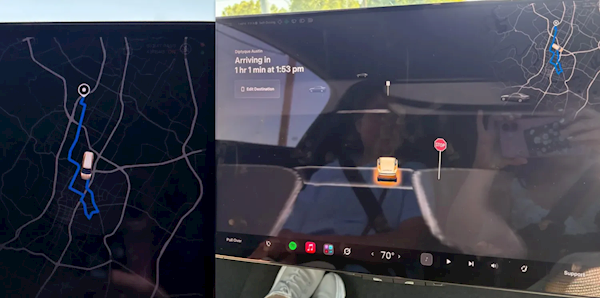
A passenger in Austin reported a 70-minute trip in a Tesla Cybercab that should have taken only 10 minutes. The vehicle avoided highways, forcing the passenger to travel across the city instead of taking a direct route. The trip cost approximately $20, which is consistent with standard market rates for the distance.
The issue stems from current limitations in Tesla's autonomous software, which prevents vehicles from using major highways like MoPac and US-183. Additionally, the cars are programmed to avoid level railroad crossings. As a result, the vehicle traveled along surface streets parallel to the Capital Metro Red Line until it found an overpass.
Tesla's mobile application currently provides price estimates but fails to display estimated travel times, leaving passengers unaware of potential detours. This limitation applies to the entire Tesla autonomous fleet in Austin, including Model Y vehicles running the same software stack as the Cybercab.
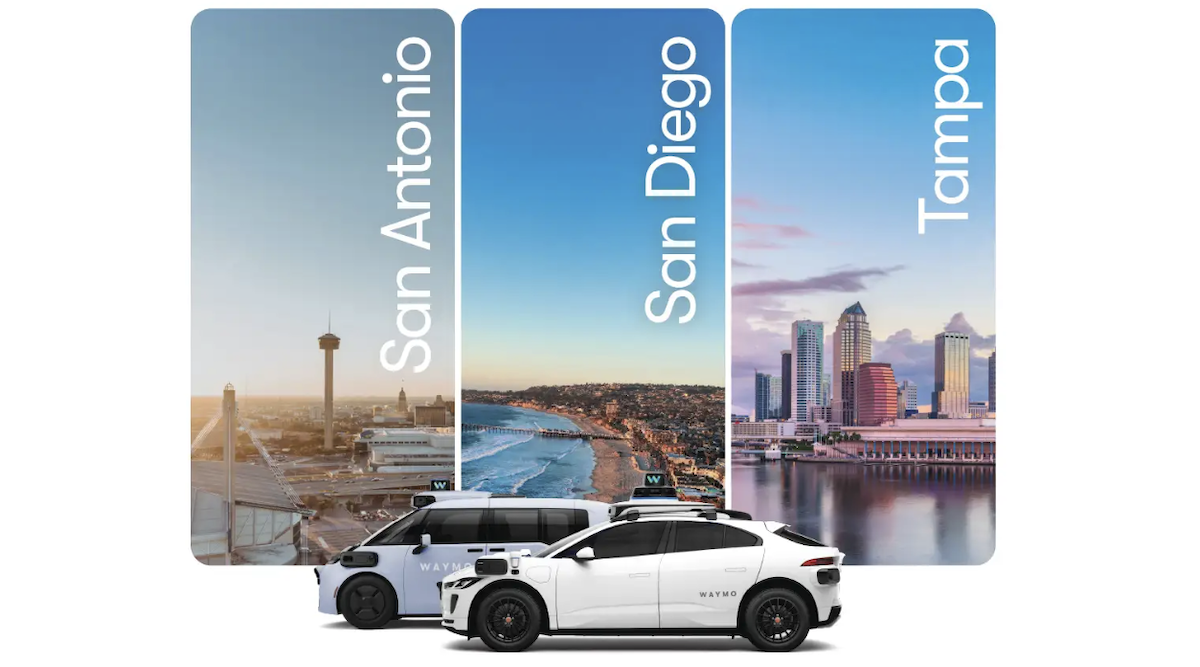
The Cybercab, which lacks a steering wheel and pedals, began passenger operations in Austin on September 3. On the same day, the National Highway Traffic Safety Administration initiated an audit of Tesla's self-certification process. Unlike Tesla, Waymo currently offers fully autonomous services on highways in the United States.