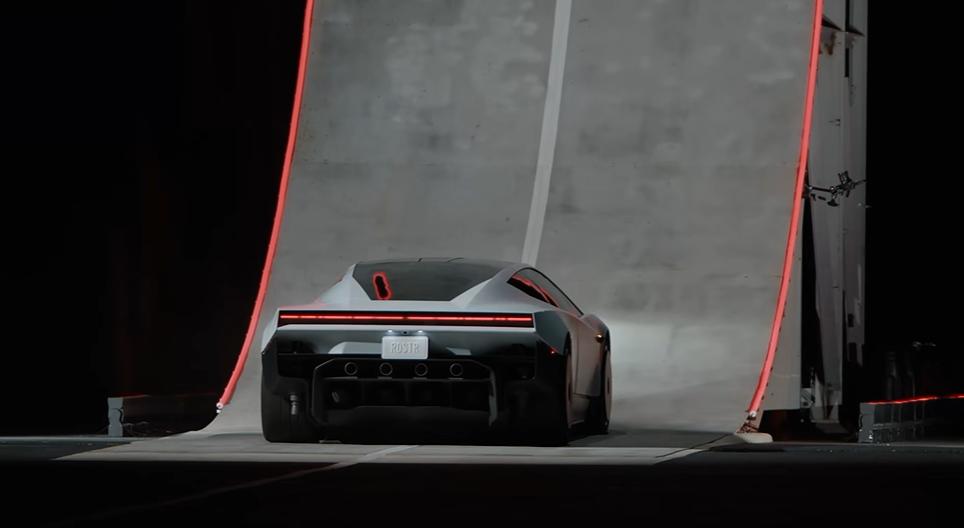
Tesla launched its two-seat Cybercab robotaxi in Austin, Texas, on September 3, 2026. Public passenger service began the following day via the Robotaxi app for a select group of invited users. The vehicle features no steering wheel or pedals, making it designed exclusively for driverless operation.
Manufactured at Gigafactory Texas, the Cybercab has a drag coefficient of less than 0.20. At the time of launch, 45 units were registered with the Texas Department of Motor Vehicles. These operate as part of a larger fleet of approximately 420 Tesla robotaxis, which includes modified Model Y vehicles that entered service in 2025.
The combined fleet has recorded over 1 million miles of unsupervised autonomous driving. Tesla utilized a self-certification process to deploy the Cybercab, as the vehicle does not meet federal safety standards intended for human-operated cars. The National Highway Traffic Safety Administration has since launched an audit to review this compliance.
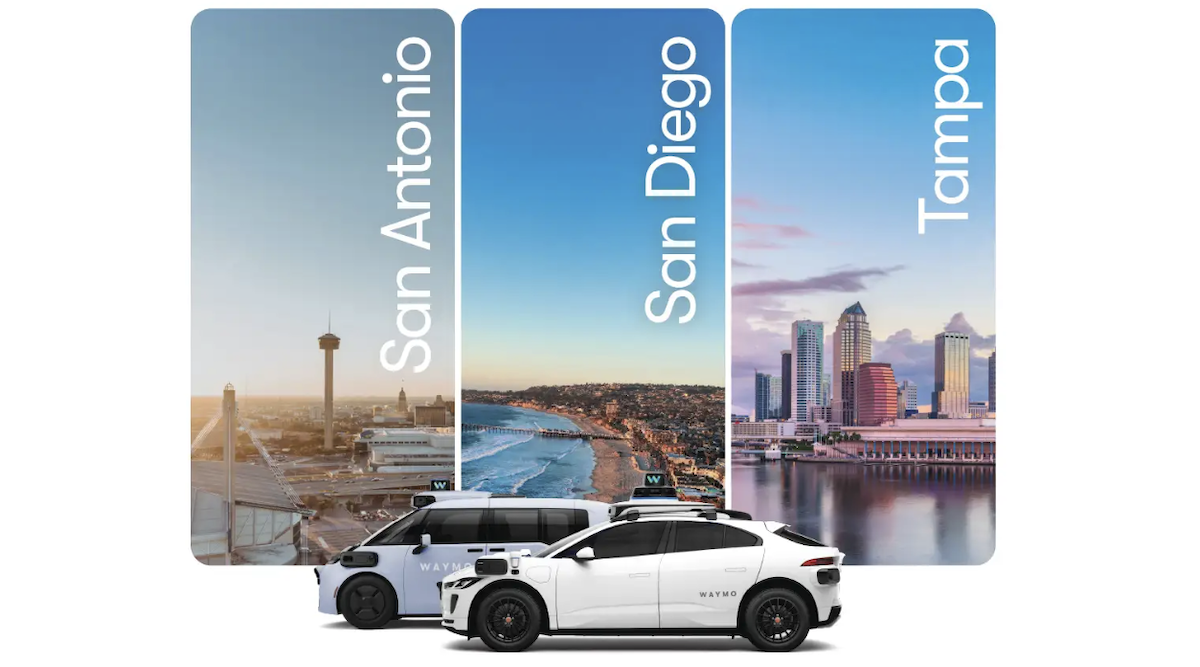
The Cybercab prototype was first unveiled in October 2024, marking a two-year development cycle to reach passenger service. Tesla now competes directly with Waymo, which operates driverless fleets in several U.S. cities. Unlike Tesla, Waymo has historically secured explicit permits from state agencies for its autonomous operations.
Investors are monitoring the 1 million autonomous miles milestone as a key performance metric. The current fleet in Texas and Florida remains a pilot program. The outcome of the NHTSA audit remains critical, as a finding of non-compliance could force Tesla to pause operations, redesign the vehicle, or engage in lengthy regulatory lobbying.