

Researchers from Chalmers University of Technology, in collaboration with the University of Gothenburg and the University of Cambridge, have developed an autonomous AI system capable of executing the full scientific method. The findings were published in the Journal of the Royal Society Interface on September 30, 2026.
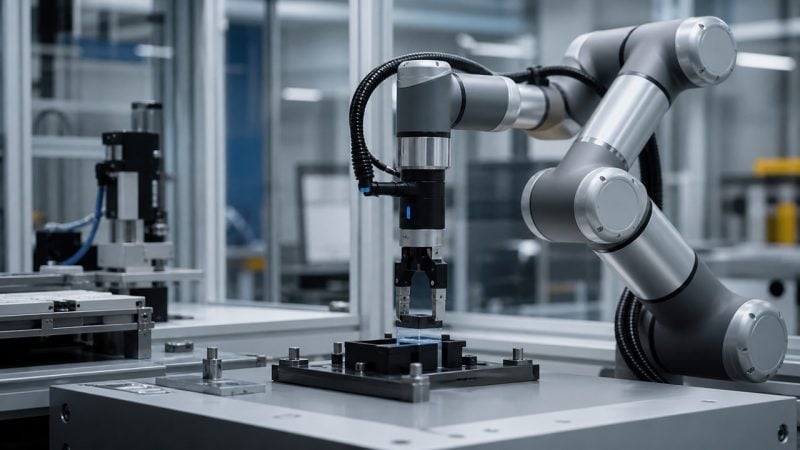
The system operates as a closed-loop, combining large language models for hypothesis generation with automated reasoning and a knowledge base of approximately 60,000 interconnected biological relationships. Physical experiments are conducted by robots that cultivate yeast and measure metabolites.
The AI discovered that the compound aminoadipate protects brewer's yeast from formic acid stress, increasing growth by approximately 7% per millimolar. This effect had previously gone unnoticed by human researchers despite the organism being well-studied.
The project builds upon the existing Eve robotic platform and received support from the Wallenberg AI, Autonomous Systems and Software Program. The developers emphasize that the tool is designed to augment human scientists, who remain responsible for setting research priorities and ethical oversight.



