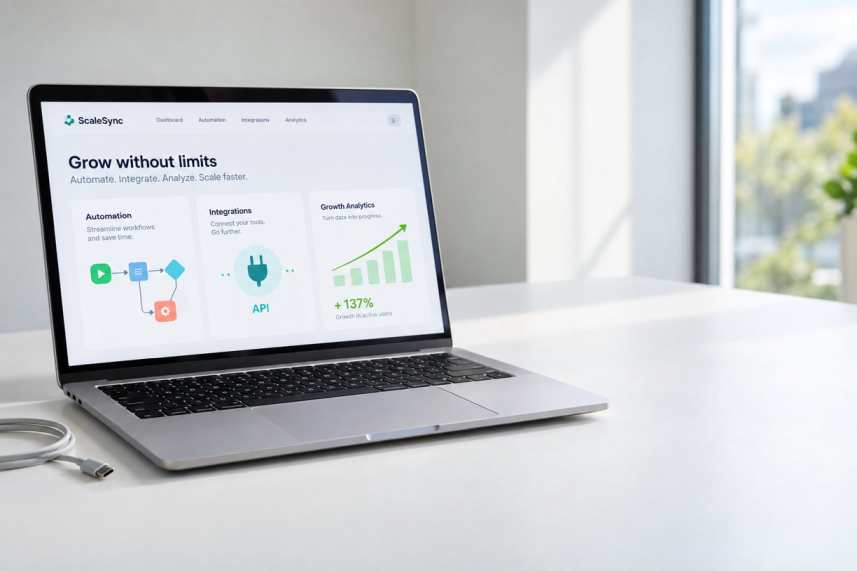
B2B SaaS startups are shifting their focus toward automation, integration, and user-centric design to remain competitive. Key growth drivers now include higher efficiency, improved customer retention, and faster result cycles. AI-driven lead generation is increasingly used to refine go-to-market strategies and validate product-market fit.
Buyers now demand embedded analytics for real-time decision-making within applications. Personalization has become more accessible through configuration tools and templates, allowing smaller teams to deliver tailored experiences without complex setups. LinkedIn automation tools are also being utilized to streamline outreach and test messaging strategies.
Automation has transitioned from an optional feature to a standard requirement, covering areas like customer support, finance, and sales operations. Modern platforms use machine learning to trigger actions, route tasks, and predict operational bottlenecks, enabling lean teams to operate with the efficiency of larger organizations.
Interoperability is a critical factor for market success, with a preference for tools that integrate into existing technology stacks via APIs and partner marketplaces. This strategy reduces onboarding complexity and switching costs for customers, allowing startups to leverage established platforms for distribution.
Startups are increasingly adopting vertical SaaS models to address specific industry needs and regulatory demands. Pricing strategies are also evolving, with a move toward usage-based subscriptions, flexible trials, and outcome-based models to better align with buyer expectations for measurable return on investment.