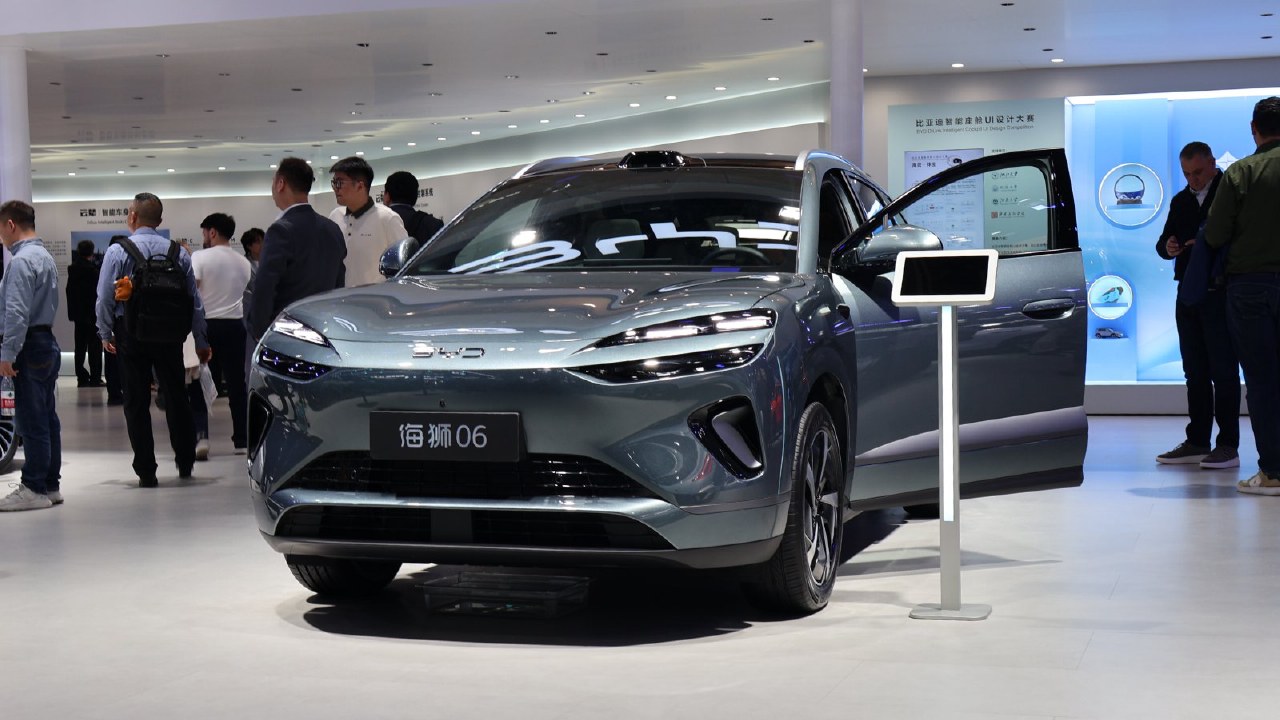
The Ministry of Industry and Information Technology (MIIT) outlet, CNII, recently criticized the 'de-CATLization' narrative in the EV industry. The commentary argues that diversifying battery suppliers and pursuing in-house development are standard business practices that should not be framed as a conflict between automakers and battery manufacturers.
The report warns that aggressive price competition in the new energy vehicle sector could negatively impact technology, quality, and long-term reliability. It specifically cautions against marketing joint development projects as entirely in-house research, noting that some companies focus on system integration rather than cell production.
Automakers like Li Auto and Xiaomi are expanding their battery sourcing strategies. Li Auto began in-house cell development in 2020 and established a joint venture with Sunwoda in 2025. Xiaomi has broadened its supplier list to include CATL, FinDreams, CALB, and Sunwoda.
Despite these shifts, CATL maintains a dominant market position. Data from the China Automotive Battery Innovation Alliance shows CATL held a 41.45% share of battery installations in August 2026, compared to 42.33% in July. The MIIT commentary emphasizes that redundant investment in the supply chain could lead to resource misallocation.