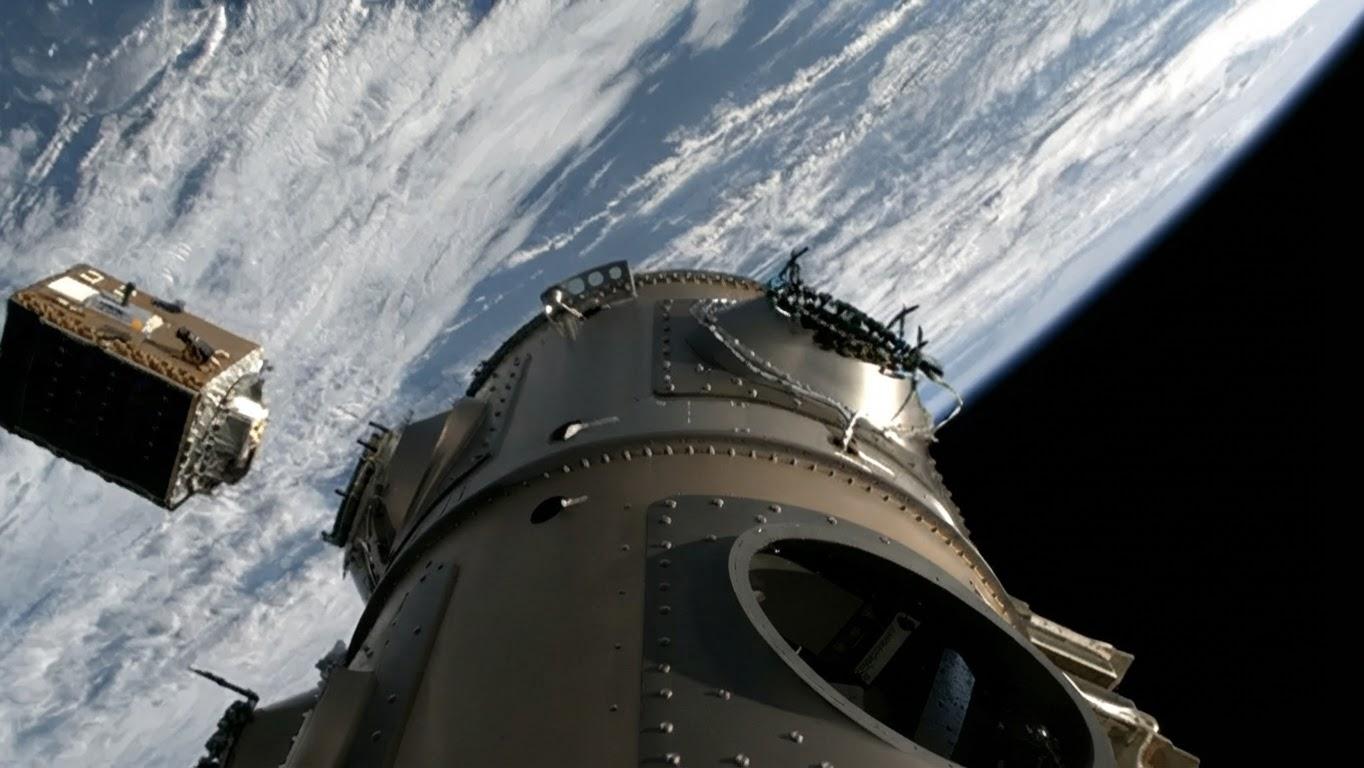
The American startup Starcloud, backed by Nvidia, plans to launch Bitcoin mining operations in orbit by the end of the year. The company will install ASIC miners on its Starcloud-2 satellite, marking its first commercial mission. CEO Philip Johnston confirmed that this initiative aims to test the viability of orbital data centers for energy-intensive tasks.
The satellite will feature a cluster of GPU accelerators alongside the ASIC miners. While Starcloud originally focused on AI-oriented orbital data centers, it has expanded its scope to include cryptocurrency mining. Developers highlight that orbital facilities benefit from constant solar power and avoid the land and infrastructure constraints faced by terrestrial data centers.
Johnston noted that ASIC miners are significantly more cost-effective for space operations than high-end GPUs. An Nvidia B200 accelerator consuming 1 kW costs approximately $30 000, whereas an ASIC miner with similar power consumption costs about $1 000. This makes specialized miners roughly 30 times cheaper per unit of computing power.
The project faces significant engineering hurdles, particularly regarding thermal management. Traditional air cooling is ineffective in a vacuum, requiring the use of radiators and specialized heat dissipation systems. Furthermore, equipment maintenance is impossible once the satellite is launched. The Bitcoin mining experiment was added after the initial design phase of the mission.
Starcloud intends to conduct a total of four orbital missions. These flights are designed to evaluate the feasibility of space-based computing for both artificial intelligence and other intensive workloads. Currently, the official mission page for Starcloud-2 does not list Bitcoin or ASIC miners, suggesting the mining component was a late addition to the project.