

A research team at Stanford University, led by Professor Amir H. Safavi-Naeini, has achieved the first real-time observation of a single phonon disappearance. The findings were published in the journal Science on September 17. Phonons represent the smallest discrete units of sound energy at the quantum scale, and their sudden transition is known as a quantum jump.
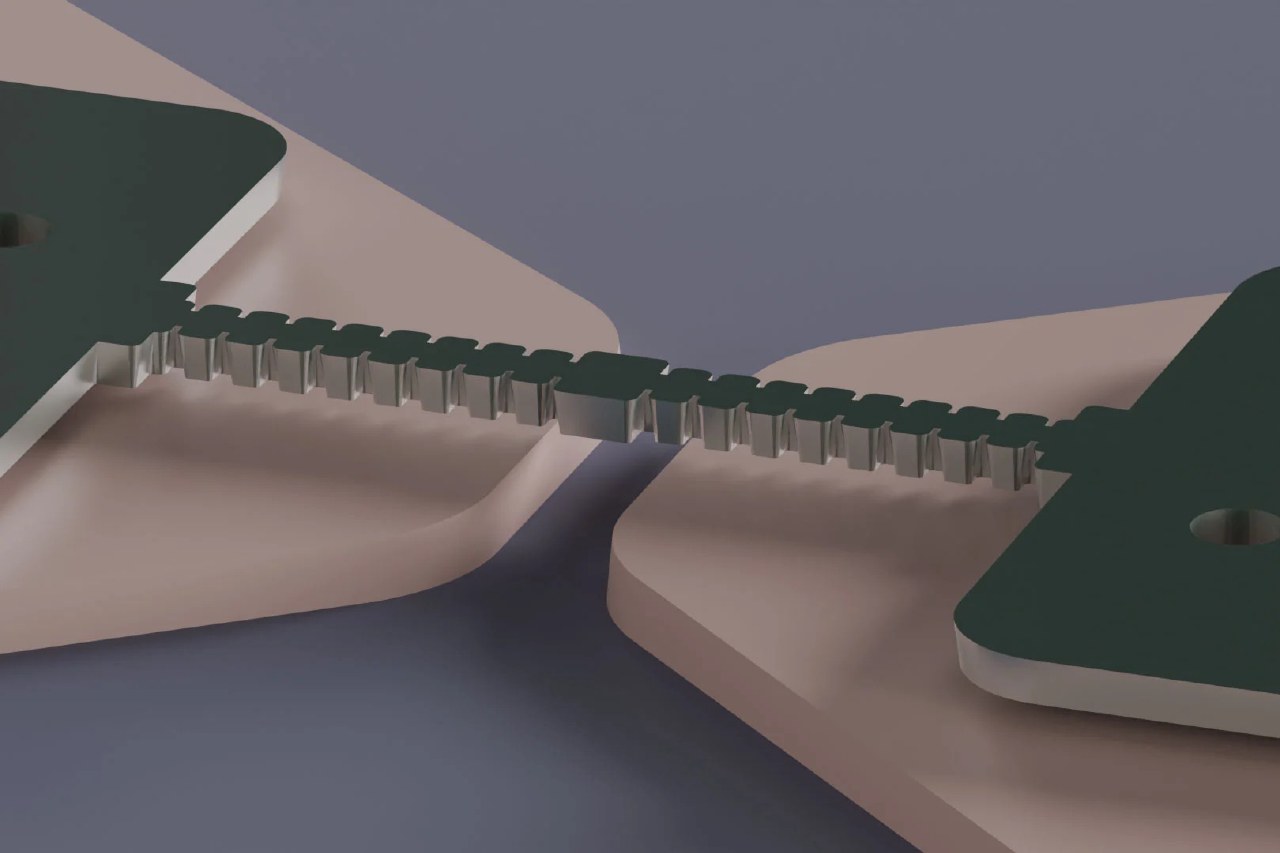
The experimental setup utilizes a micro-mechanical resonator, functioning like a miniature tuning fork, connected to a superconducting qubit. This qubit acts as a detector, monitoring the resonator's state without disrupting its quantum vibration. The resonator is engineered for an exceptionally long lifespan, sustaining vibrations for approximately 2 milliseconds, which allows for hundreds of consecutive measurements.
By distinguishing between states of one phonon and zero phonons, the team successfully captured the transition from a digital 1 to 0. This milestone follows previous observations of quantum jumps in trapped ions in 1986 and photon systems in 2007. The researchers believe this capability will enhance quantum error correction and high-precision sensing.
The team is currently collaborating with Michael Roukes from Caltech to explore applications in protein detection within cells. Furthermore, the researchers suggest that precise quantum control of sound could eventually improve acoustic technologies in consumer electronics, such as smartphones. The resonators are produced using standard chip manufacturing processes.

