SpaceX is exploring options to transition Starlink into a full-scale mobile operator providing 5G connectivity directly from satellites. Currently, the Direct-to-Cell technology allows standard smartphones to connect to Starlink satellites without specialized antennas. This service, branded as T-Satellite in partnership with T-Mobile, currently supports messaging and emergency alerts in remote areas.
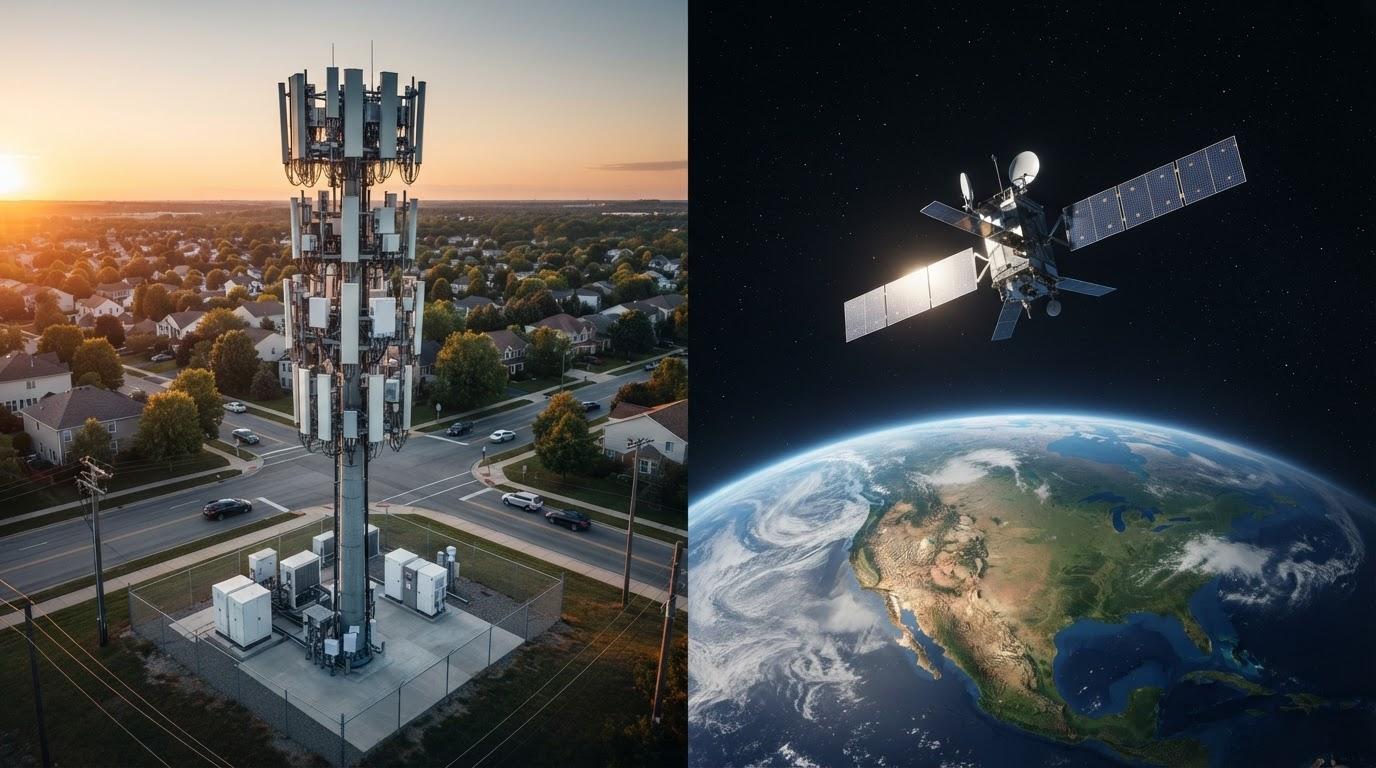
T-Mobile CFO Peter Osvaldik expressed skepticism regarding SpaceX's ambitions to replace traditional cellular towers. He noted that satellite signals face significant challenges, including lower power compared to ground stations and difficulties penetrating buildings or vehicles. Furthermore, satellite capacity is limited, making it difficult to serve millions of users in dense urban environments simultaneously.
SpaceX has considered several strategies to expand its mobile presence, including operating as a mobile virtual network operator (MVNO) or building a proprietary ground network. However, T-Mobile argues that major US carriers are not interested in MVNO partnerships, and building a ground network would require massive investment and years of infrastructure development.
Another proposed concept involves deploying femtocells on existing Starlink home antennas. T-Mobile estimates that achieving coverage comparable to current cellular networks would require over one billion such devices. The operator also highlighted technical hurdles, such as signal interference, backhaul management, and the inability of weak satellite signals to pass through obstacles like vehicle glass.
Despite these disagreements, SpaceX continues to develop its satellite infrastructure. The company aims to achieve data speeds of up to 150 Mbps for standard smartphones once the Starlink V3 system is fully deployed. T-Mobile maintains that satellite technology should serve as a supplement to, rather than a replacement for, terrestrial mobile networks.