

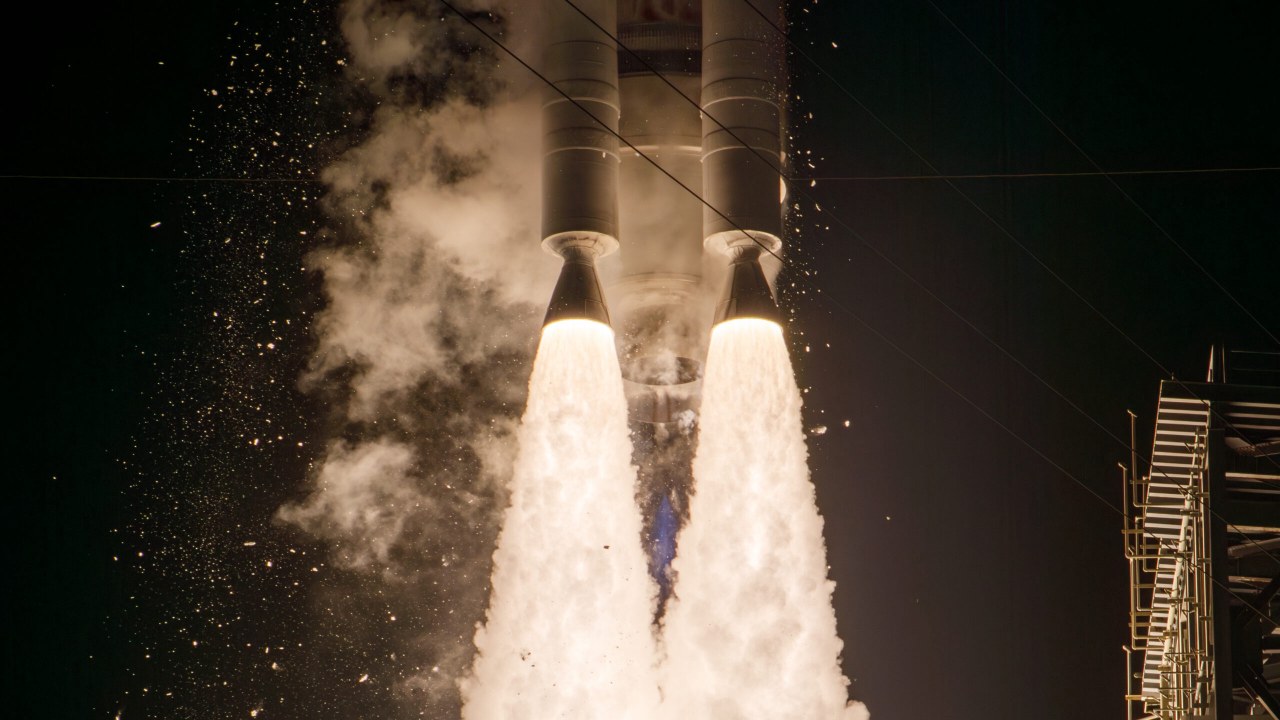
South Korea successfully deployed five microsatellites using its Nuri rocket, marking its fourth consecutive success. While nine CubeSats were released, the PERSAT-02 unit failed to separate. The government now aims to transition space development toward a commercially driven model.
German startup HyImpulse has delayed the second flight of its SR75 suborbital rocket to spring 2027, citing licensing and seasonal weather at SaxaVord. Meanwhile, Rocket Factory Augsburg appointed Alexander Dahm as its new CEO to lead the development of the RFA ONE vehicle.
SpaceX faced a launch delay for a Space Development Agency mission, with the next attempt scheduled for October 10. Separately, reports indicate SpaceX plans to raise $40 billion in debt to purchase Nvidia chips, a move that has impacted its credit default swap spreads.
The European Commission extended the deadline for the SALTO project to the end of 2026, delaying the first hop test of the Themis reusable rocket. Additionally, Cape Canaveral Space Force Station is implementing a laser-based defense system to counter drone incursions.
Amazon is preparing for back-to-back Vulcan launches this year, with infrastructure now capable of processing two rockets simultaneously. Blue Origin founder Jeff Bezos announced plans to construct three additional launch pads, aiming for a total of four to support increased launch frequency.


