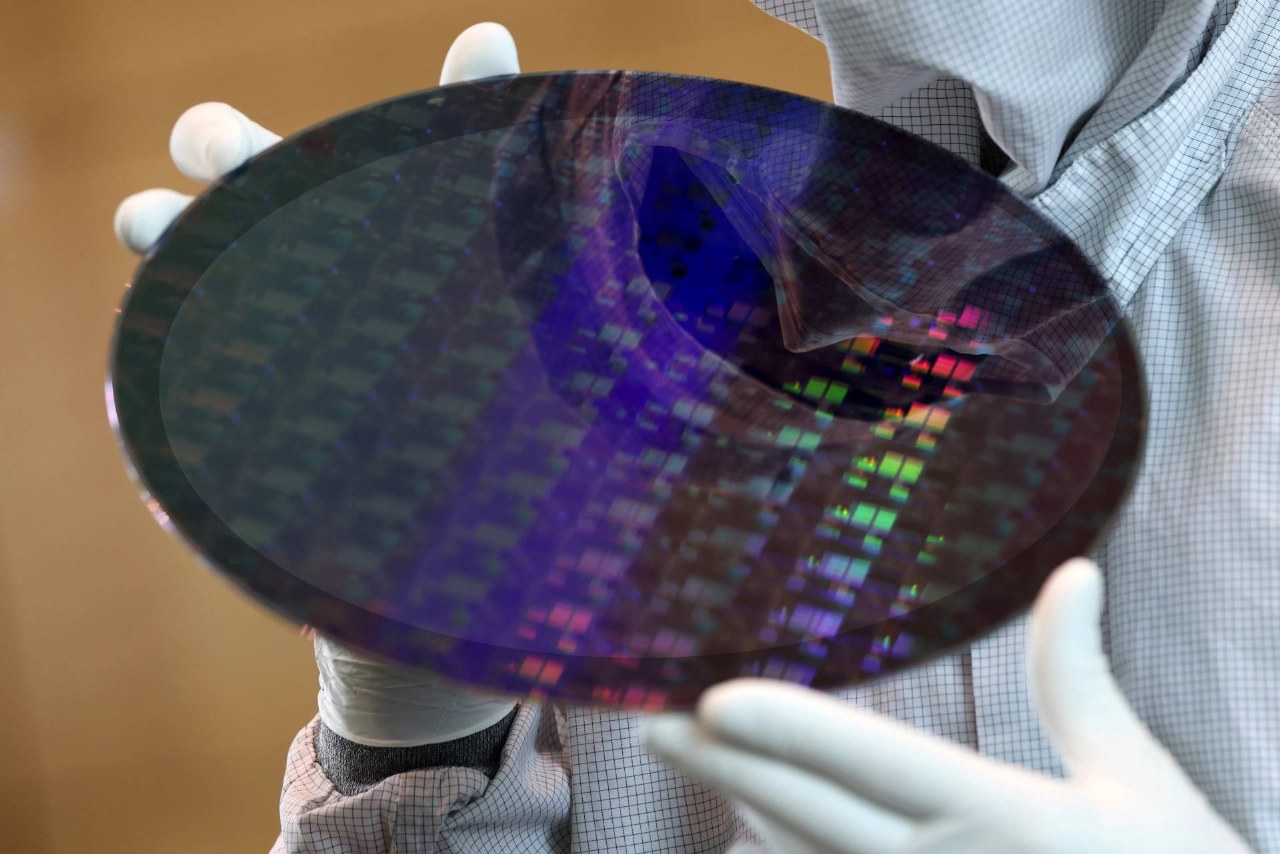
The global silicon wafer market is facing a significant supply-demand imbalance driven by the rapid expansion of AI infrastructure. Analysts predict that silicon wafer prices will rise by 40% by 2027, fueled by the surging demand for artificial intelligence computing power and the expiration of long-term supply agreements.
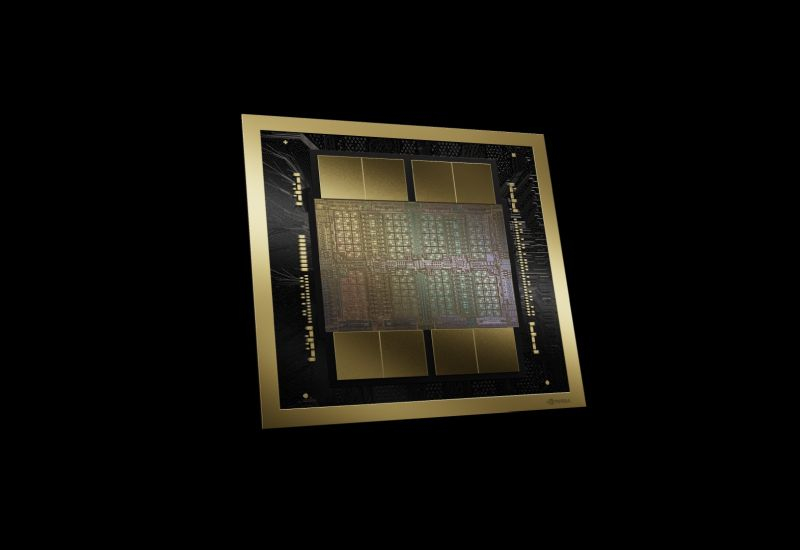
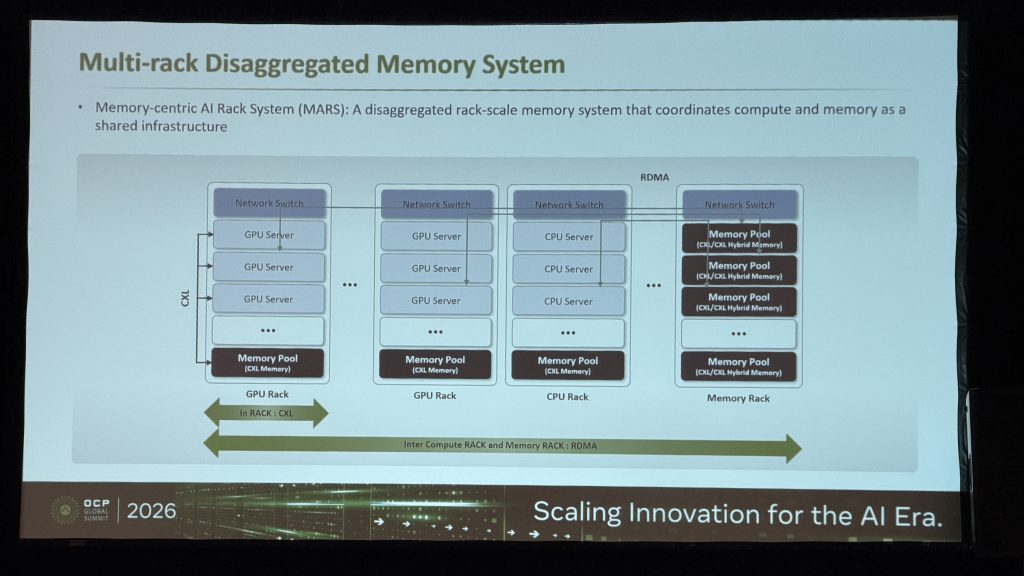
Data from industry leaders like SUMCO indicates that an AI server consumes 3.8 times more 12-inch silicon wafers than a standard server. Furthermore, the production of high-bandwidth memory (HBM) for AI accelerator chips requires over three times the wafer area compared to traditional DRAM, leading to a rapid depletion of specialized high-resistivity wafer capacity.
Major suppliers, including Shin-Etsu Chemical, SUMCO, and GlobalWafers, are now adjusting their pricing as long-term contracts signed three years ago expire. These companies, which control the majority of core production capacity, are moving to capture the value previously locked under older, lower-priced agreements.
The supply side remains constrained by long lead times for facility expansion, which typically spans 18 to 24 months. New production capacity is not expected to come online until late 2026 or 2027, failing to keep pace with current demand. Experts warn that this 40% increase in raw material costs will likely trigger price hikes across the entire electronics supply chain.