Samsung Electronics is leveraging its position in the HBM supply chain to secure long-term agreements with major data center operators. The company currently has approximately 80% of its future memory production capacity locked under these long-term contracts, as global demand for AI infrastructure continues to outpace supply.
To guarantee priority access to HBM components, some clients are agreeing to pay a premium of up to 25% over standard market prices. This additional cost serves as a strategic payment for supply security rather than for enhanced performance, reflecting the critical role HBM plays in training and operating advanced generative AI models.
The shift toward long-term agreements is altering the memory industry's business model, with new contracts frequently including requirements for advance payments and minimum purchase commitments. These terms allow Samsung to better plan its capital expenditures and capacity expansion to meet the needs of major tech firms like Nvidia, Google, and Microsoft.
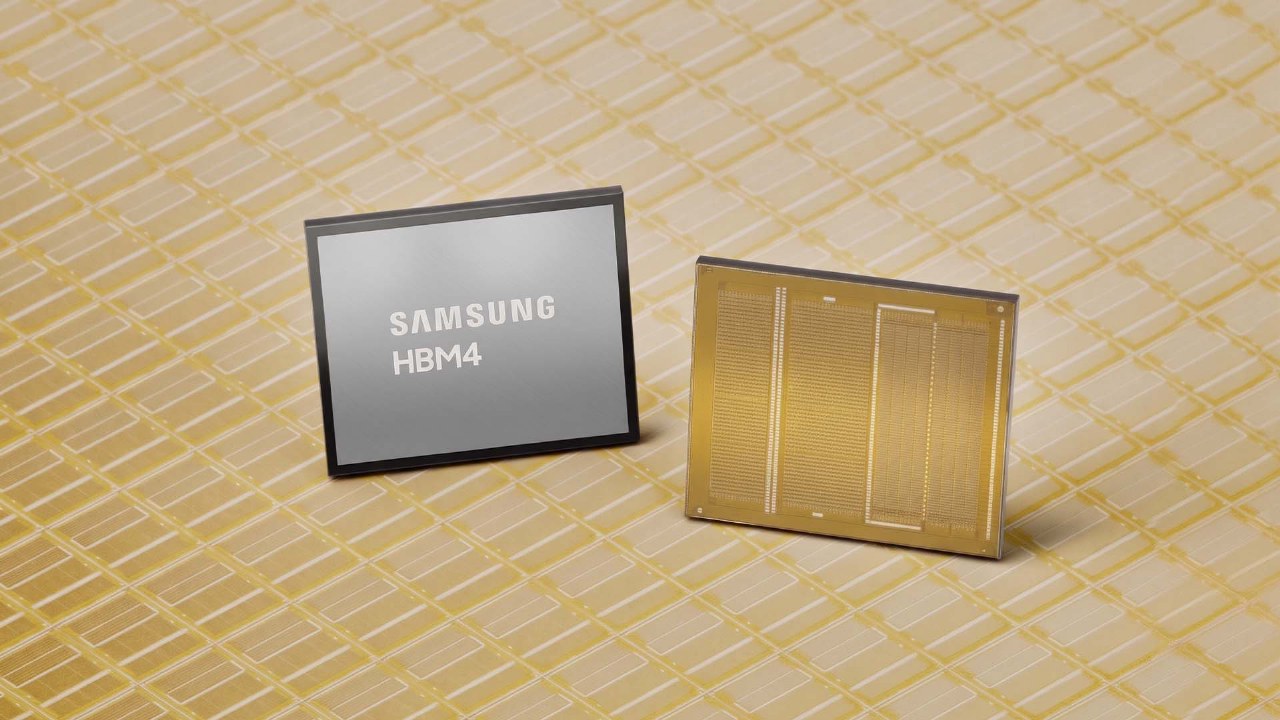
Samsung has already initiated mass production of its next-generation HBM4 memory this year and is currently providing samples to key customers. Despite ongoing efforts to scale production, the company reports that it remains unable to fulfill all incoming orders, as the industry transitions from a commodity-based market to a strategic supply-driven system.