

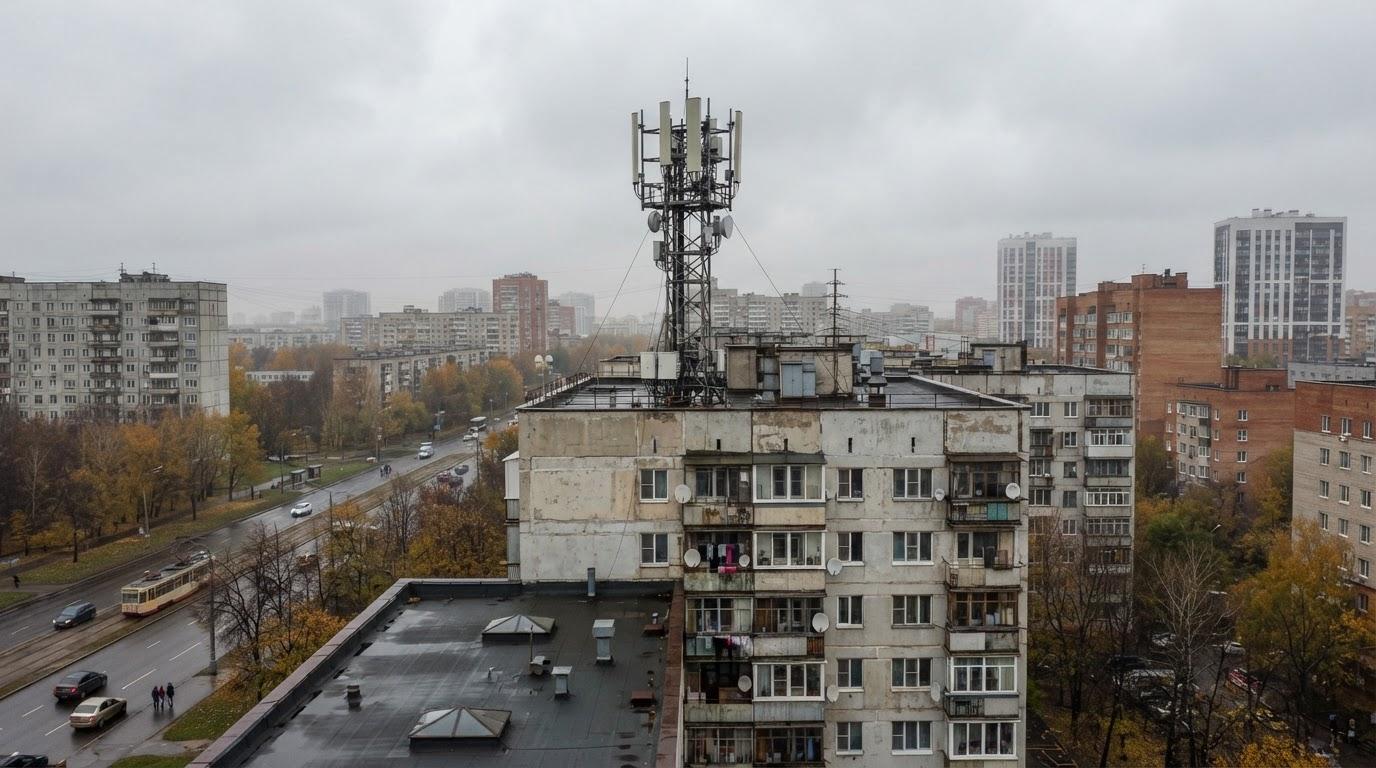
The number of registered telecommunications operators in Russia dropped by 17% between July 2025 and July 2026. Currently, there are approximately 7,000 federal and regional companies remaining in the market. The count of active service licenses also decreased by 17% over the same period, totaling about 21,000, which averages to three licenses per operator.
Industry experts attribute the decline to the elimination of so-called paper networks—entities that hold licenses but lack actual infrastructure or active subscribers. Regulators are enforcing a rule that allows for license revocation if services do not commence within two years of issuance. Furthermore, the market is undergoing consolidation as smaller regional providers struggle with rising operational costs.
Regulatory pressure has intensified, notably with the state license fee increasing to 1 ₽ million, a hundredfold rise from previous levels. Additional financial burdens include mandatory data storage requirements and investments in information security. While large federal operators can distribute these costs across millions of users, the impact on smaller regional players is disproportionately higher.
Market data indicates a broader trend, with the total number of telecom companies in Russia falling by more than 30% over the last seven years. As smaller firms exit the market or are acquired by larger entities, authorities are exploring mechanisms to transfer infrastructure and subscriber bases to ensure service continuity for end users.
