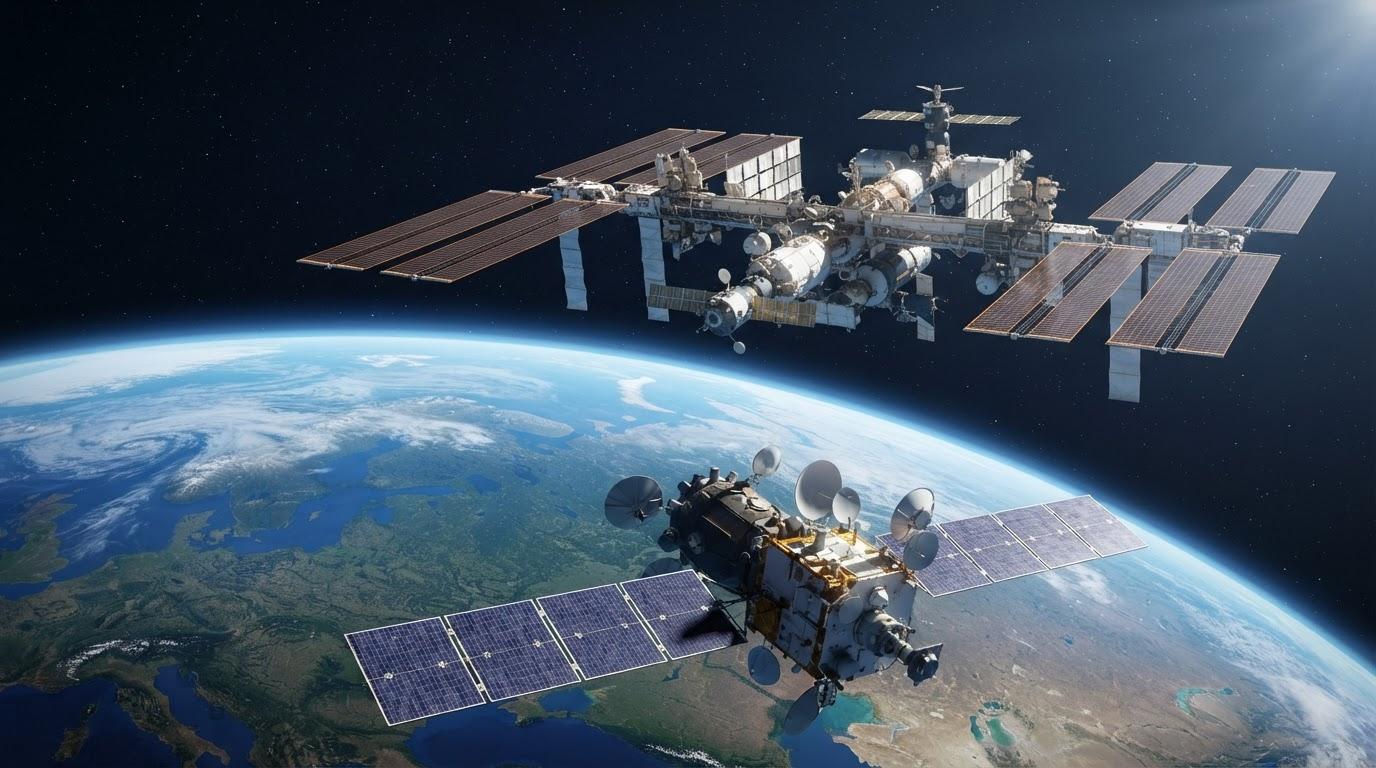
The Russian Orbital Station (ROS) will utilize a satellite-based control system, a significant departure from the ground-based monitoring methods used for the International Space Station. Vladimir Solovyov, General Designer at RSC Energia, stated that geostationary satellites will provide extended communication windows with the station, overcoming the limitations of traditional ground tracking stations.
The new control architecture allows operators to maintain contact with the station for tens of minutes at a time. This shift aims to improve data acquisition and operational oversight compared to the current reliance on ground-based measurement points, which offer only brief windows of connectivity during orbital passes.
During the transition period, mission control teams will manage both the ROS and the ISS simultaneously. This dual-operation phase will require increased effort from specialists until the ISS is decommissioned. Once the international station is removed from orbit, all control resources will be dedicated exclusively to the Russian complex.
According to Roscosmos head Dmitry Bakanov, the deployment of the first ROS module is scheduled for 2028. The deorbiting process for the ISS is expected to conclude by 2030. Synchronizing these milestones is essential for the seamless transfer of operations from the international platform to the new Russian orbital infrastructure.