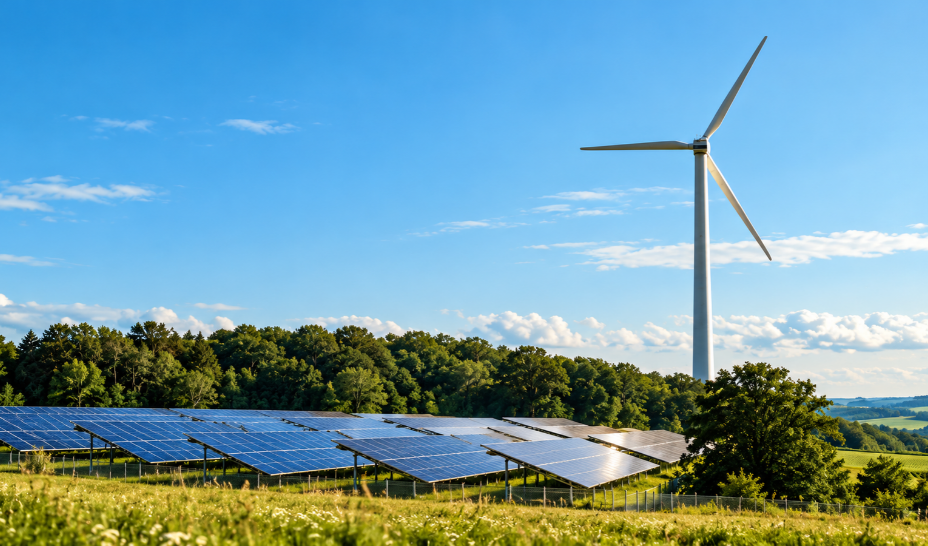
Europe faces a significant infrastructure challenge as 40% of its distribution grids are over 40 years old. To meet energy targets by 2030, the region must increase solar capacity by 107%, wind by 84%, and electricity demand by 60%. This expansion requires an estimated €600 billion in grid investment, involving the installation of 150 million solar panels and 150,000 wind turbines.
The industry is turning to physical AI and robotics to manage these assets amid a shrinking workforce. While hardware costs are falling—with battery packs near €92.81 per kWh and LiDAR prices projected to drop to €1,203 by 2040—European manufacturers face stiff competition from Chinese firms, which undercut local prices by 20% to 50%.
Profitability for European companies lies in software layers focused on physical observability and spatial interpretation of energy assets. These systems must integrate thermal, visual, and historical data to provide actionable insights for operators. Success depends on navigating upcoming regulations, including the EU Machinery Regulation effective 20 January 2027 and the AI Act requirements starting 2 August 2028.