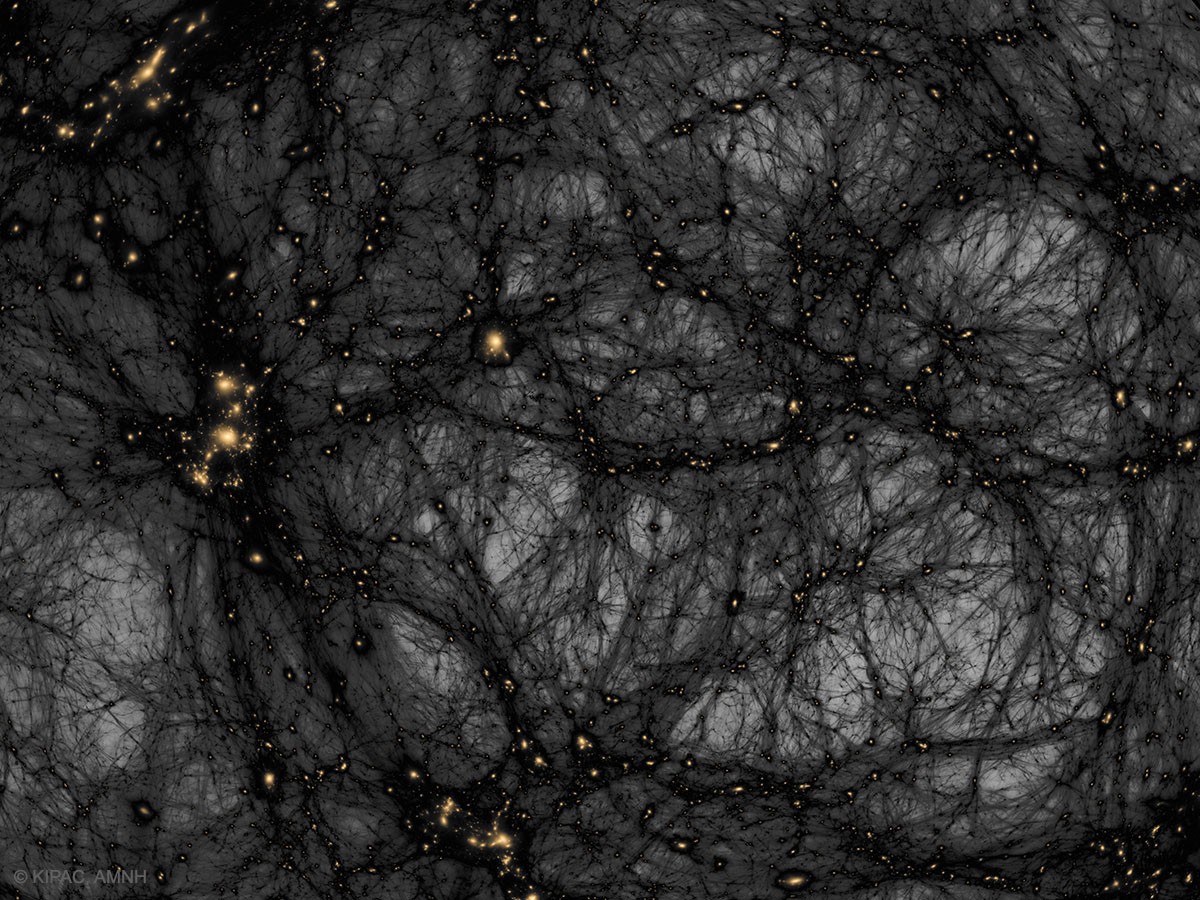
The standard cosmological model defines the age of the universe as 13.8 billion years, based on the observable horizon. Critics argue that if the universe were significantly older and larger, it would face thermodynamic death, show different chemical compositions, and exhibit different galaxy structures.
Regarding chemical composition, the 75% hydrogen and 25% helium ratio is often cited as a byproduct of the Big Bang. An alternative view suggests this is a dynamic equilibrium where supermassive black holes and galactic nuclei process heavy elements back into protons and electrons, maintaining a stable cycle.
The thermodynamic paradox suggests that the universe should have reached thermal equilibrium. However, the expansion of space between superclusters, which can exceed the speed of light, acts as a cooling mechanism. This expansion increases the volume of space, causing radiation density to drop and light waves to lose energy.
Observations of distant galaxies were previously interpreted as evidence of a young universe due to images from the Hubble telescope. The James Webb Space Telescope, operating in the infrared spectrum, has revealed mature, spiral galaxies at extreme distances, suggesting that previous perceptions were distorted by optical effects.