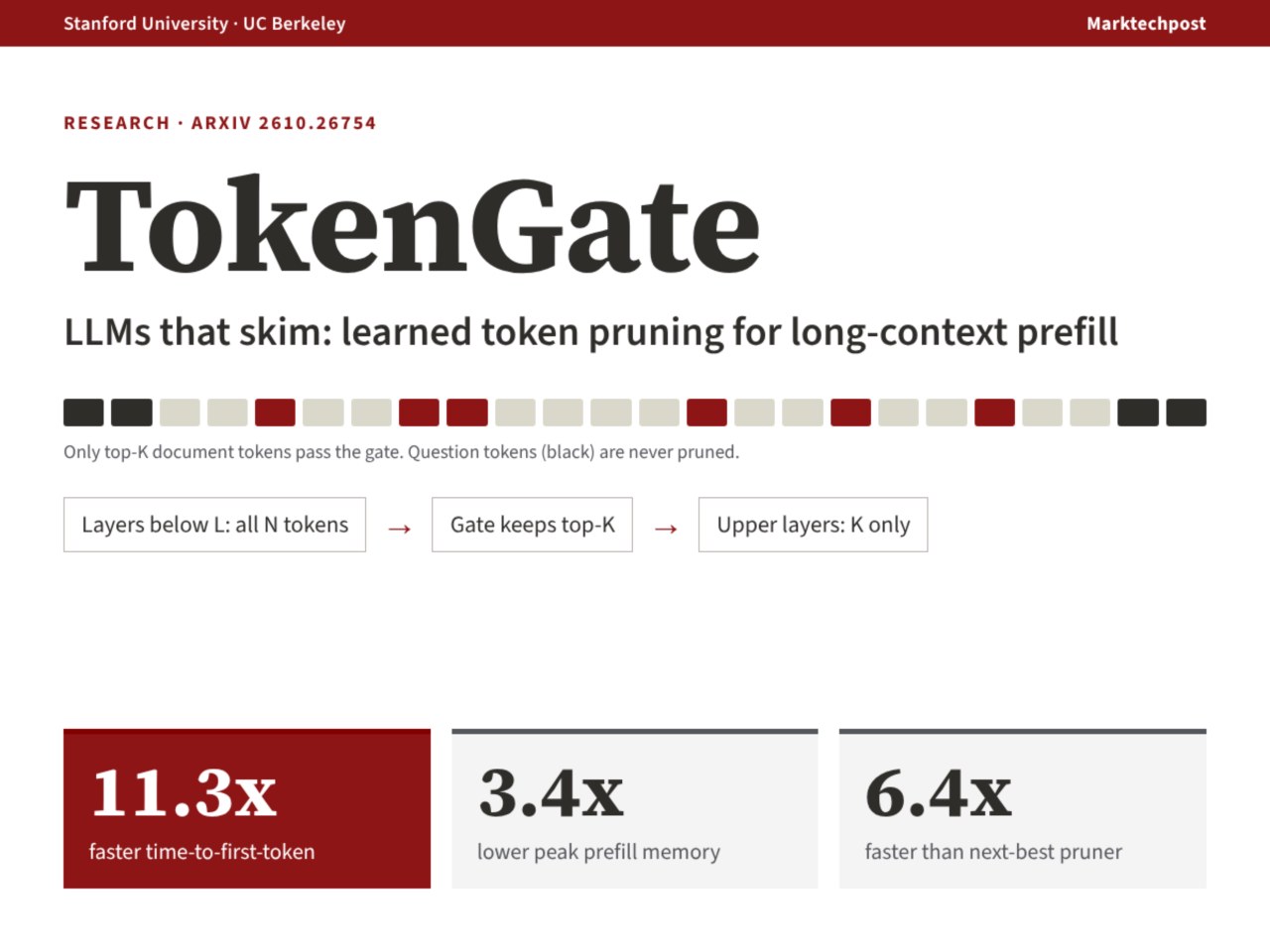
AI models process text using tokens, which are fragments of words or punctuation marks. Models trained primarily on English require significantly more tokens to process Russian text because their vocabularies are optimized for the Latin alphabet.
Context windows represent the amount of data a model can hold in memory at once. Older models supported 4,000 tokens, while newer versions can handle over one million. When a conversation exceeds this limit, the model discards the oldest tokens.
AI hallucinations occur because models predict the next likely token rather than retrieving facts from a database. This leads to confident but incorrect outputs, making AI unreliable for tasks requiring factual accuracy, such as medical or legal advice.
The temperature setting controls the randomness of AI responses. A low temperature near zero results in predictable, consistent output suitable for coding or data extraction. High temperatures closer to 1 encourage creative, unpredictable results for brainstorming or writing.
Retrieval-Augmented Generation (RAG) allows models to access external data without retraining. It works by searching a vector database for relevant information and providing it to the model as context. This technology powers most modern AI tools that interact with specific documents.