MIPT Researchers Observe Correlated Electron Tunneling
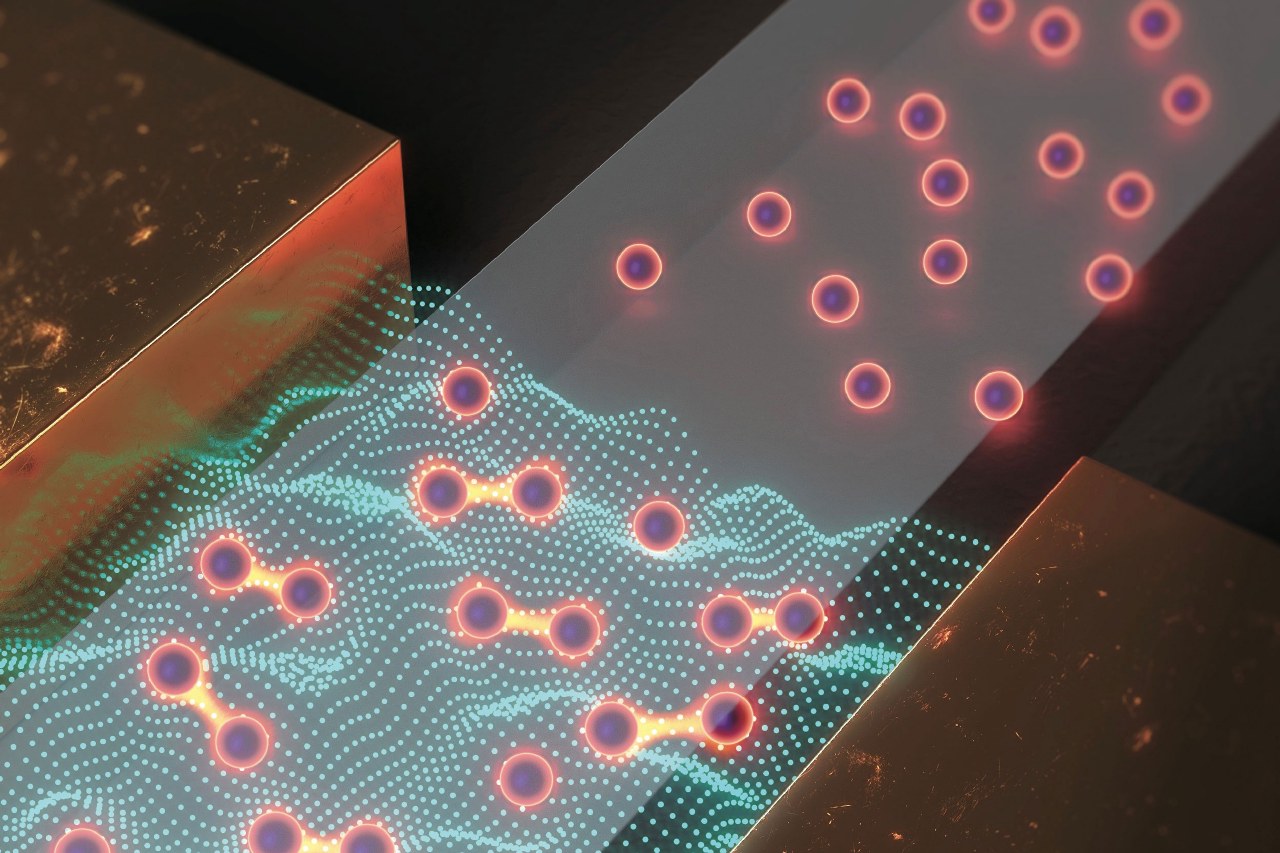
Researchers have experimentally confirmed that electrons can tunnel through atomic defects in correlated groups, potentially enabling new sources for quantum technologies.
Researchers have successfully entangled a glass bead with a light field using optical tweezers, creating a potential new platform for quantum memory storage.

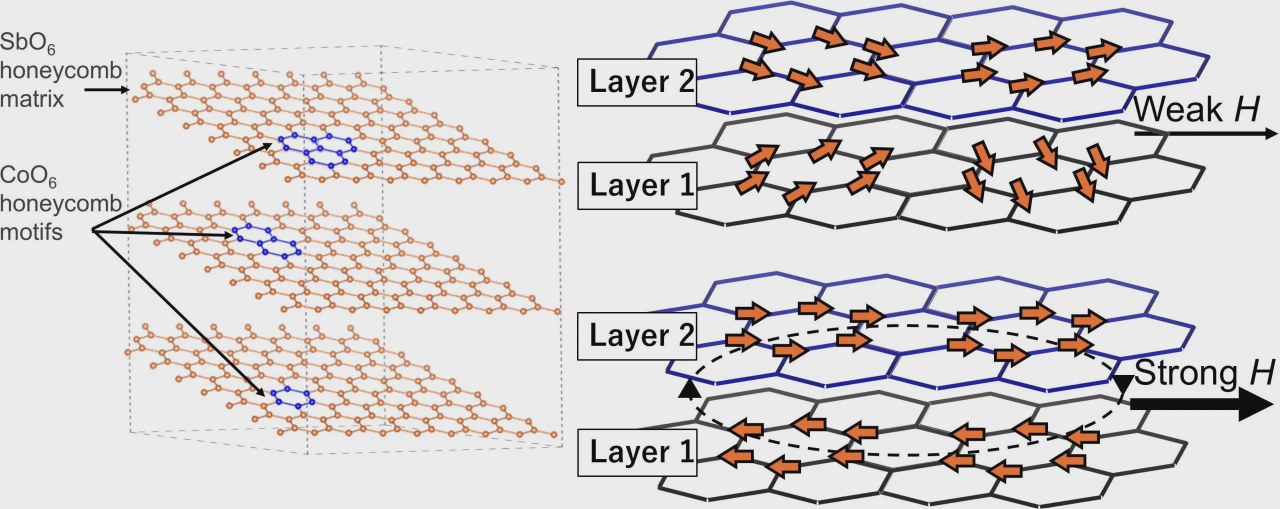
Osaka University researchers created a cobalt-based honeycomb magnetic structure, offering a cost-effective alternative to rare-earth materials for quantum research.

Physicists have identified YbSb2 as the first type-I superconductor to exhibit broken time-reversal symmetry, a phenomenon previously observed only in type-II materials.

Stanford University researchers have observed quantum jumps of sound in real time using a microscopic mechanical resonator and a superconducting qubit.

Researchers have used a custom terahertz cavity to amplify quantum vacuum fluctuations, increasing the critical temperature of niobium diselenide superconductors by 5.4%.