Proterial and FEV have completed a simulation study for an electric vehicle traction motor that utilizes an amorphous alloy core and neodymium sintered magnets free of heavy rare earths. The design eliminates the need for materials like terbium and dysprosium, which currently face significant supply chain risks.
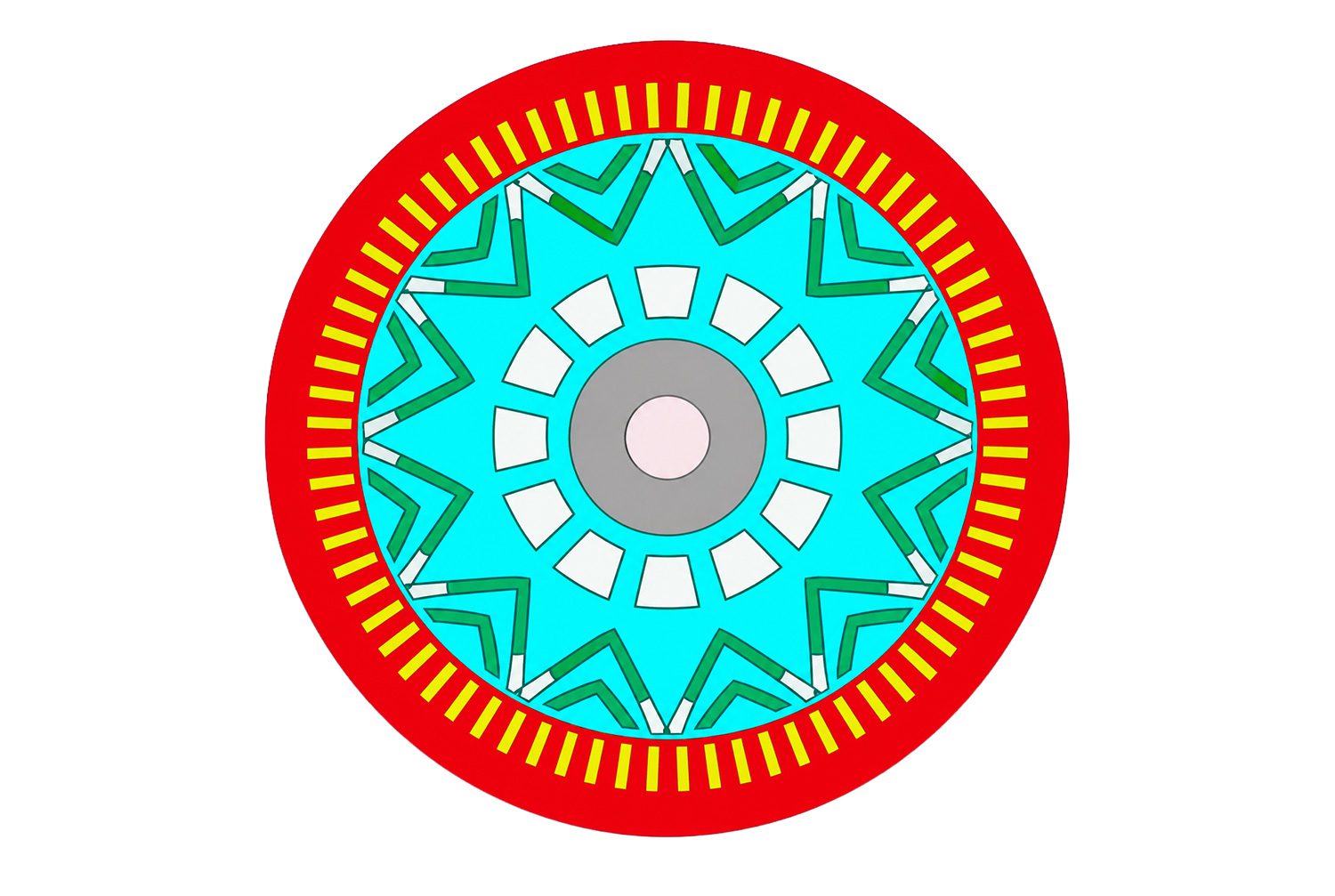
The simulation used a 230 kW drive unit as a reference model. By incorporating the amorphous alloy, the motor achieves a maximum speed of 20,000 rpm compared to the 14,900 rpm of the reference unit. The new design features 12 poles instead of eight, while maintaining a 200 mm stator outer diameter and reducing the active length to 77.1% of the original.
The results indicate that peak power could increase from 230 kW to 300 kW, while the motor weight is reduced by 27%. Efficiency gains are also projected, with performance rising from 95.5% to 97.9% on the WLTP Class 3 cycle and from 95.3% to 97.4% on the ARTEMIS MW 150 drive cycle.