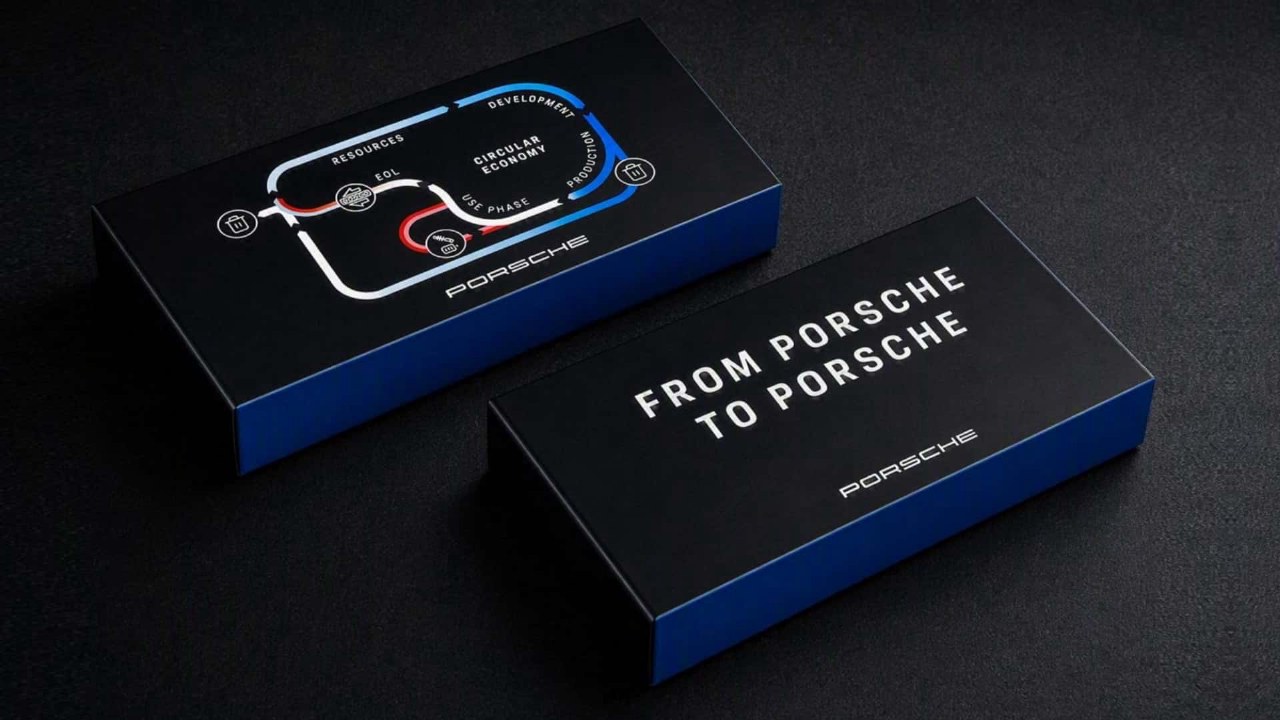
Porsche and the German recycling company Cylib have successfully produced a battery cell using a cathode made entirely from recycled lithium, nickel, cobalt, and manganese. The project, which began in 2025, has moved beyond laboratory testing and is currently undergoing extensive operational evaluation.
Since May 2026, high-voltage batteries from Porsche Centers across Germany have been processed using Cylib's water-based recycling technology. This method allows for the recovery of raw materials that are tracked through a dedicated material account system to ensure they meet the purity standards required for new cathode production.
The automaker plans to utilize these recovered raw materials in the production of new battery cells starting in 2028. This two-year window allows the company to validate the scalability and reliability of the recycling process before integrating it into mass-produced vehicles.
The initiative aligns with upcoming European Union regulations. Starting February 18, 2027, all batteries exceeding 2 kilowatt-hours must feature a digital battery passport. This record will document the battery's chemistry, lifecycle status, and the specific share of recycled content used in the pack.