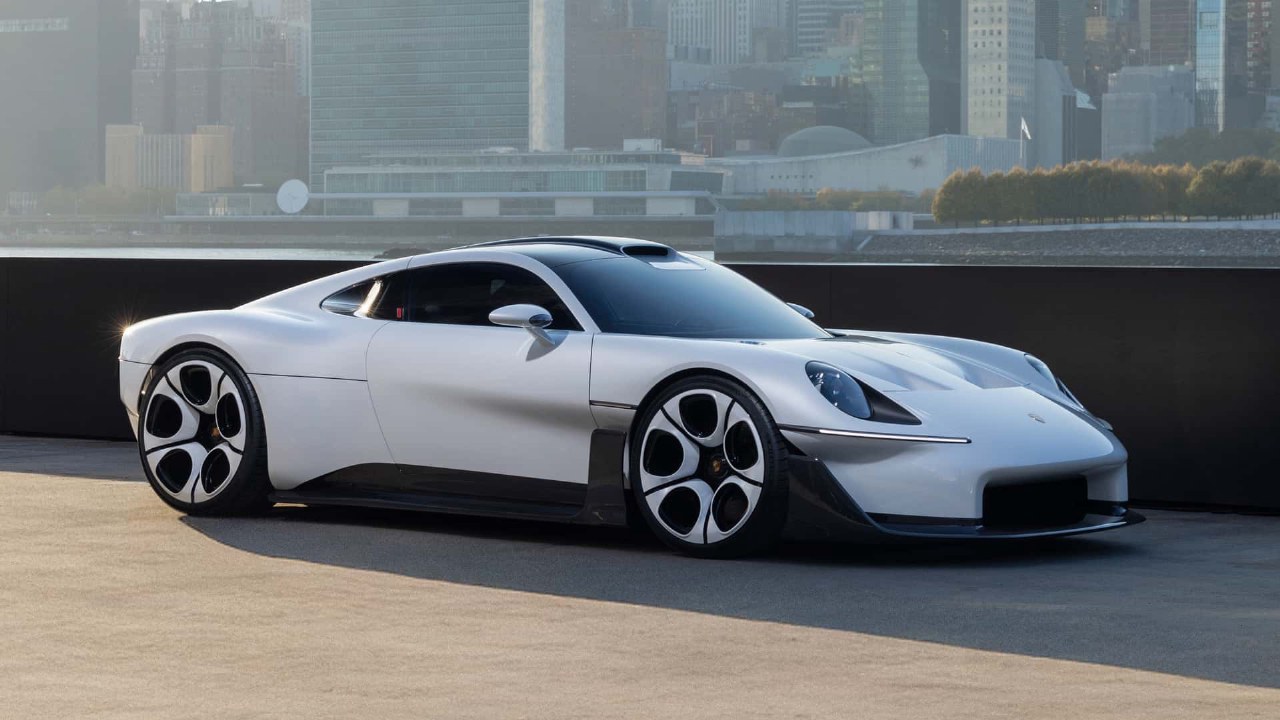
Porsche has successfully produced battery cells using cathode active materials derived entirely from recycled lithium, nickel, cobalt, and manganese. These materials were recovered from the company's own high-voltage batteries in collaboration with the recycling startup Cylib, in which Porsche invested in 2024.
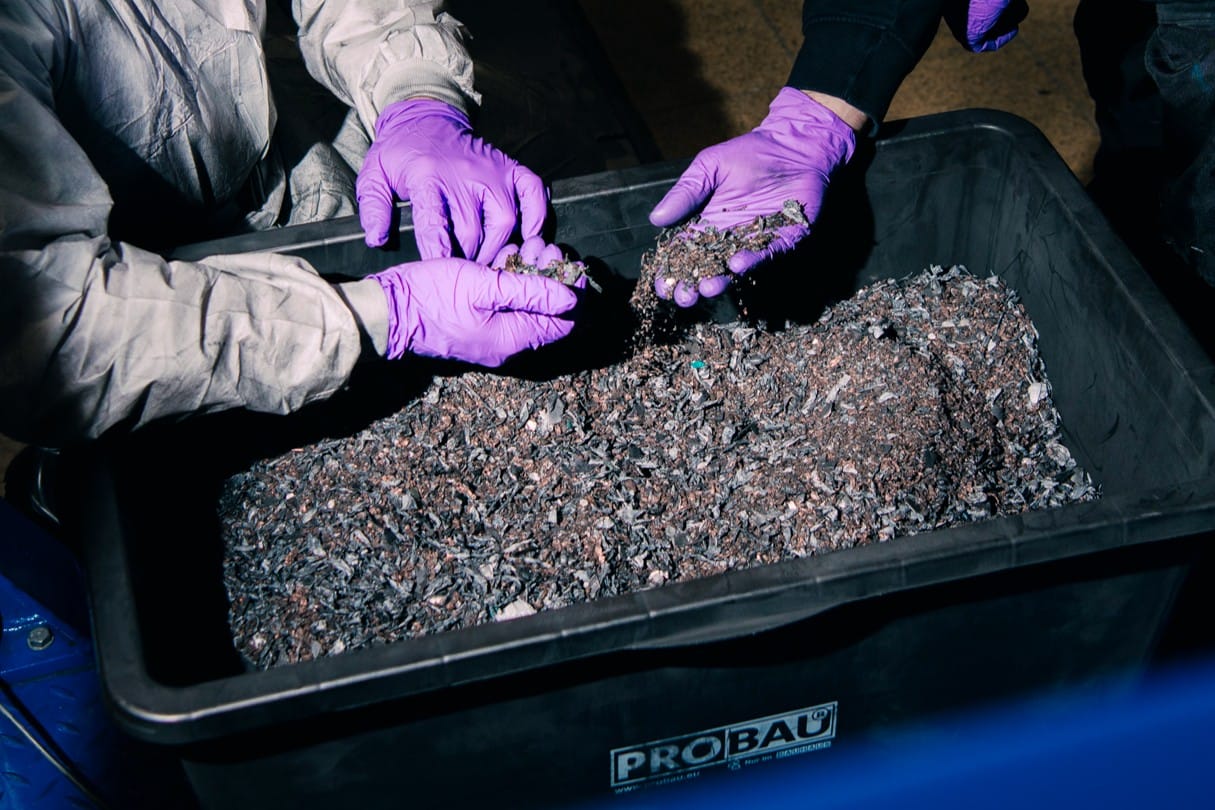
The pilot project followed a three-phase process: mechanical shredding of decommissioned batteries into black mass, refining the material to extract raw components, and finally manufacturing new cells for testing in trial vehicles. Initial results confirm the technical suitability of these recycled materials.
Since May 2026, Porsche has implemented a water-based recycling process at its German centers. Cylib manages the recovered materials in a dedicated account, with supplies expected to be available for battery cell production starting in 2028. This initiative aims to reduce European dependence on external supply chains.
The project aligns with the EU Battery Regulation and the Critical Raw Materials Act, which mandate higher recycling quotas. By establishing a closed material cycle, Porsche intends to secure domestic raw material sources and improve resource efficiency for future series-production electric vehicles.